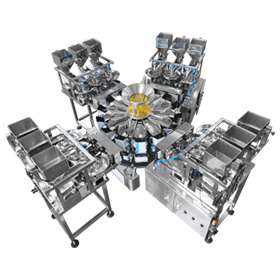
Introduction: Precision Weighing Is the Lifeline of Low-Margin Food Businesses
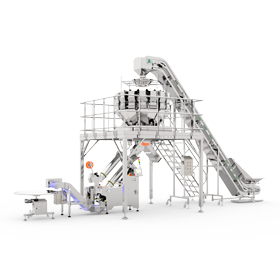
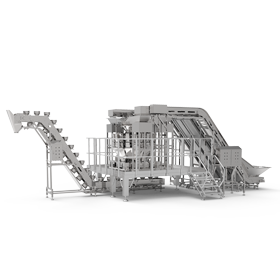
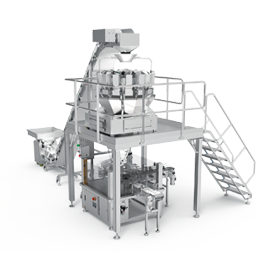
In my 20 years of working with packaging equipment across 300+ food factories, I’ve seen one mistake that erodes profits more than any other: ignoring outdated weighing systems. With the global food industry operating on average net margins of just 3-5%, even small inefficiencies can wipe out your entire bottom line. A modern multihead combination weigher solves this by delivering unmatched accuracy and speed. If you notice any of these five warning signs, it’s time to seriously consider upgrading.
Costly Material Waste
Inaccurate weighing causes major raw material losses.
Manual Weighing = Bottleneck
Automated scales unlock full production capacity.
Weight Issues Risk Compliance
Inconsistent weights trigger complaints & regulatory fines.
Old Equipment Maintenance Spikes
High repair costs make old scales uneconomical.
Hygiene Fails Audits
Poor design leads to failed food safety checks.
Sign 1: Excessive Raw Material Losses From Inaccurate Weighing
Traditional volumetric fillers have typical errors of ±2% to ±5%, while high-quality food packaging combination weighers deliver consistent accuracy of ±0.1% to ±0.5%. This difference adds up dramatically at scale. For a rice mill producing 100,000 1kg bags daily, just 5 grams of overfill per bag equals 500kg of lost rice per day—over $42,000 in annual losses at current commodity prices. If your monthly inventory reconciliations consistently show discrepancies exceeding 1%, your weighing equipment is no longer fit for purpose.
Sign 2: Manual Weighing Has Become Your Production Bottleneck
Human workers can weigh and fill approximately 10-15 packages per minute at peak efficiency, and this rate drops significantly during long shifts. In contrast, a standard 14-head combination weigher runs reliably at 60-80 packages per minute, while high-speed 32-head models can reach 180 packages per minute. If you’re constantly hiring additional workers just to keep up with weighing demands while other parts of your line sit idle, upgrading to an automatic combination weigher will immediately unlock your full production capacity.
Inconsistent package weights are the number one cause of consumer complaints in the food industry. Beyond damaging your brand reputation, underfilled packages can result in costly fines from regulatory bodies like the FDA or EU food safety authorities. As a rule of thumb, if you’re receiving more than 5 weight-related complaints per month, your current weighing system is failing to meet modern quality standards.
Sign 4: Skyrocketing Maintenance Costs for Old Equipment
Mechanical scales older than 5 years experience an exponential increase in failure rates. Many discontinued models have limited parts availability, meaning a single breakdown can shut down your entire line for days. If your annual maintenance and repair costs exceed 30% of the price of a new combination weigher for food industry, it’s no longer financially viable to keep repairing your old equipment.
Sign 5: Failing Food Safety Audits Due to Poor Hygiene Design
Older weighing systems often have numerous hard-to-clean crevices where bacteria and mold can grow. This makes them incompatible with modern GMP and FSMA requirements, especially for frozen foods, dairy products, and ready-to-eat meals. Modern food-grade combination weighers feature seamless 304 stainless steel construction and fully removable parts for quick, thorough cleaning—an essential requirement for passing food safety audits.
Common Myth: Combination Weighers Only Work for New Production Lines
Many factory owners mistakenly believe that combination weighers only work with brand-new production lines. In reality, most modern models can be easily retrofitted to existing vertical form-fill-seal machines and pre-made pouch fillers with minimal modifications. A typical upgrade takes just 1-2 days to complete, with production resuming almost immediately.
Calculate Your Combination Weigher Upgrade ROI in 3 Simple Steps
To determine if upgrading makes financial sense for your business:
Calculate your monthly raw material losses due to weighing errors
Add your monthly labor costs for weighing operations
Add your monthly maintenance costs for old equipment
Multiply this total by 12 to get your annual savings
Divide the combination weigher price by this annual savings figure
Most food factories see a full return on investment within 6-12 months of upgrading.
FAQ
Q: How long does a modern combination weigher last?
A: With proper maintenance, a high-quality combination weigher can last 10-15 years, compared to 3-5 years for traditional mechanical scales.
Q: Can combination weighers handle fragile food products?
A: Yes, specialized models with soft-drop chutes and large-angle hoppers minimize breakage for chips, cookies, and other delicate items.
Q: What is the minimum production volume that justifies an upgrade?
A: Generally, factories producing more than 10,000 packages per day will see a positive ROI within 18 months.
Free assessment
Ready to find the right combination weigher for your food production line?
Contact our engineering team today for a free, no-obligation site assessment and customized ROI calculation.