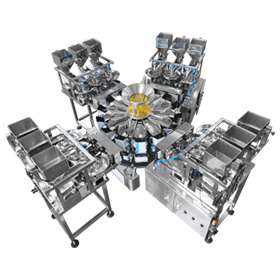
When we arrived in Algiers, the air carried the scent of the Mediterranean, mixed with a strange aroma of mint tea and grilled meat. It was my first time in Africa, and our company’s first time participating in the Plast&Printpack Alger exhibition.
Why attend this exhibition?
At the end of last year, our boss, Mr. Lee, decided at a meeting that we would participate in this exhibition. He showed us some data: Algeria is the largest importer of packaging technology in Africa, with imports reaching €225 million in 2024, higher than both Egypt and South Africa. More than 70% of local plastic and packaging products rely on imports, and most domestic factories use machines that are over a decade old, resulting in limited capacity and high failure rates.
More importantly, the exhibition is organized by Messe Düsseldorf, the official series of DRUPA exhibitions. While not as famous as the major European expos, it is highly professional. After years in conveyor and packaging machines, the European market has become relatively mature for us. North Africa, on the other hand, is like China ten years ago, in the rapid stage of industrialization. Mr. Lee said, “The places others don’t go are where our opportunities lie.”
The first day of the exhibition: busier than expected
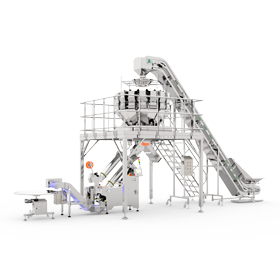
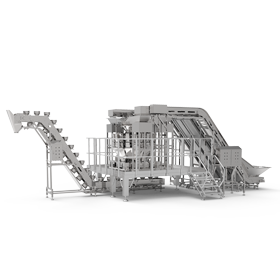
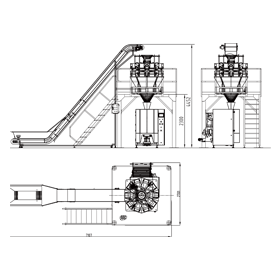
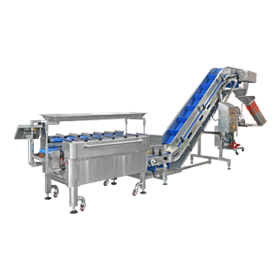
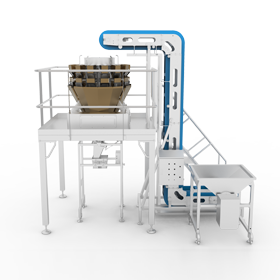
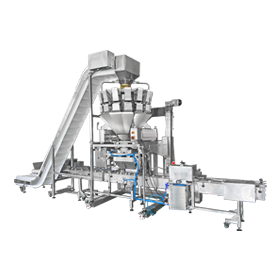
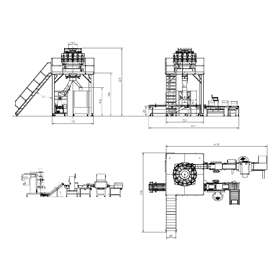
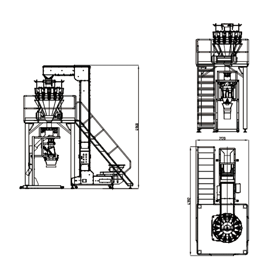
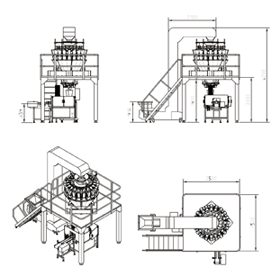
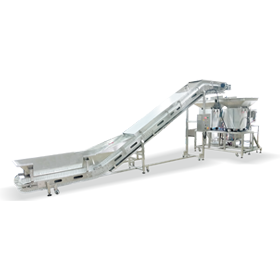
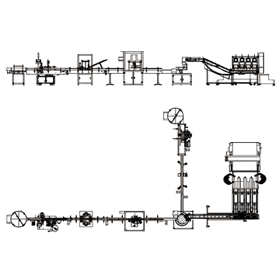
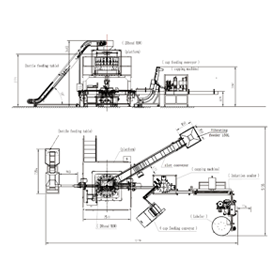
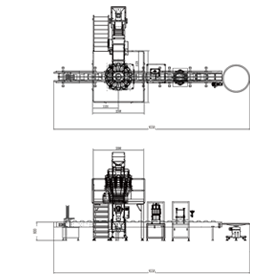
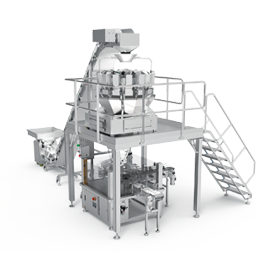
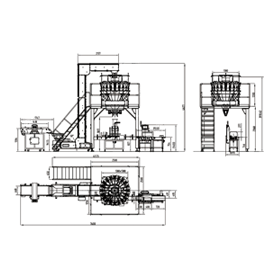
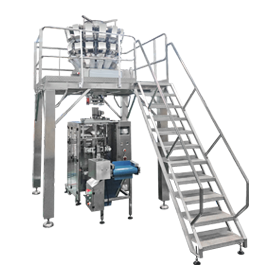
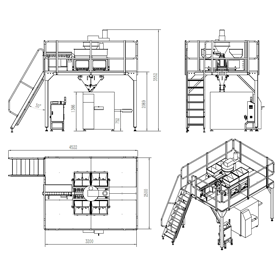
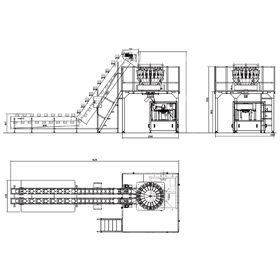
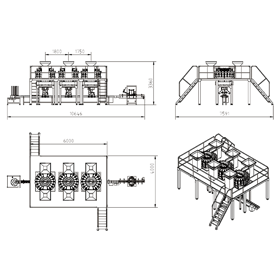
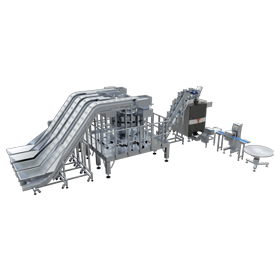
Our booth was at A.K3, where we showcased a popular small belt conveyor and a model of an automatic packaging machine.
The exhibition opened at 9 a.m. I thought it wouldn’t be too crowded, but by 9:30, people were already surrounding our booth. There were factory owners in suits, technical staff in hard hats, and many young purchasing managers.
One client, Karim, left a deep impression. He owns a food processing factory that mainly processes dates. As soon as he entered, he pointed at our conveyor model and said, “I’ve been looking for this for so long!”
His factory still relied on manual handling, which was inefficient and prone to damage. He had previously bought a conveyor from Europe, which was ridiculously expensive and impossible to repair quickly—the parts would take three months to arrive.
I showed him our domestic and African client cases. His eyes lit up, and he showed us photos of his factory, asking us to design a conveyor and packaging solution for dates.
Little stories from the exhibition
Another reason to attend was that Chinese equipment is actually more recognized in Algeria than I expected. Many local clients we spoke with had a changed perception of “Made in China”—not “cheap but low quality,” but high cost-performance with reliable technology. Our expertise in conveyors and packaging matched well with automation needs in local food and daily chemical industries.
The most memorable moment was the afternoon of the second day. A local factory owner lingered at our booth, closely examining our small conveyor + automatic packaging line solution. His factory still relied partly on manual packaging. Production increases had made manual labor insufficient. He wanted automation but worried it would be too complicated for workers.
I demonstrated our interface—designed to be simple—and he said his staff could learn it. We then sat down and talked for over half an hour. Later, he admitted he had circled the exhibition several times, first looking at Italian equipment (too expensive), then Turkish (service inadequate). I joked that he was “comparing three vendors,” and he laughed, saying, “Business is about comparison.” He left a business card and WhatsApp contact, promising to send engineers to inspect our factory.
Popular technical engineers
We brought two technical engineers. I thought they would be idle, but they became the busiest people at the booth.
Many clients didn’t just ask prices—they asked technical questions:
“Can your conveyor handle our high temperatures?”
“Can your packaging machine run 120 packs per minute?”
“If the machine breaks down, how is your after-sales process?”
One client spent from 10 a.m. to 1 p.m. with Engineer Wang, skipping lunch, asking every problem in his factory. Wang patiently explained everything. The client said, “I asked many European exhibitors; they all complained I asked too many questions, but only you explained in detail.”
Unexpected gains
On the last day, just as we were packing up, a young man named Abdel arrived. He had driven six hours from Oran just to see our exhibition.
He is the purchasing manager of a newly established daily chemical company. They are building a new packaging line and need a full set of conveyor and packaging equipment. He had seen our products online, appreciated the cost-performance, and came to check in person. We introduced our complete solution in detail, and he was so satisfied that he immediately booked a flight to China to visit our factory and equipment.
Final thoughts
The three-day exhibition ended quickly. This trip to Algeria gave me a new understanding of the African market. It is not the impoverished, backward place we imagined, but a vibrant market full of opportunities. Local clients are pragmatic—they don’t chase brand names, only quality, cost-performance, and solid after-sales service.
On the flight back, watching the Mediterranean, I felt full of anticipation. I know this is just our first step into the North African market. Next year, we will return to Algeria.
In the competitive global food manufacturing industry, a high-performance food packaging machine is far more than a piece of production equipment—it’s your core tool to guarantee food safety, cut operational costs, extend product shelf life, and win retail buyer trust.Whether you run a small artisan
This comprehensive guide will walk you through every major conveyor belt material, their key properties and industry applications, and a practical step-by-step selection framework to help you make the most informed decision for your operation.
When we arrived in Algiers, the air carried the scent of the Mediterranean, mixed with a strange aroma of mint tea and grilled meat. It was my first time in Africa, and our company’s first time participating in the Plast&Printpack Alger exhibition.
It is a high-tech enterprise specializing in the R&D, design, and independent manufacturing of packaging, conveying, weight detection, weighing, and filling equipment.