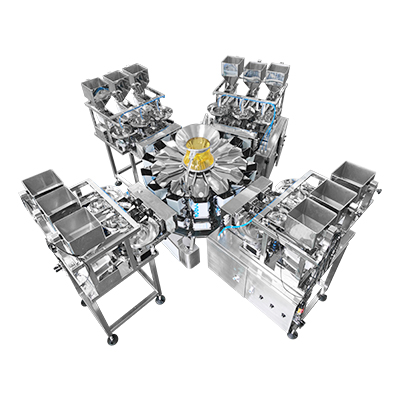
The pet food industry is moving beyond traditional “one-formula-fits-all” products.
As pet owners become more conscious of nutrition, health, and personalized care, demand is growing for pet food designed around specific life stages, breeds, lifestyles, and nutritional requirements. Puppy and kitten food, senior formulas, sterilized pet food, sensitive digestion formulas, functional nutrition products, and premium freeze-dried products are becoming increasingly common.
For pet food manufacturers, this trend creates both opportunities and production challenges.
Developing a differentiated formula is only the first step. The next challenge is making sure that the same formulation is accurately reproduced in every package.
This is where a reliable pet food packaging machine and multi-material weighing system become increasingly important.
Why Is Pet Food Production Becoming More Specialized?
Pet owners are no longer simply looking for basic nutrition. They are increasingly willing to pay for products that address specific nutritional needs.
Pet food manufacturers are therefore developing formulas based on factors such as:
Pet age and life stage
Breed and body size
Sterilization status
Activity level
Digestive sensitivity
Weight management
Functional nutritional requirements
Premium and natural ingredients
For example, a puppy formula may contain a higher proportion of protein-rich ingredients to support growth, while senior pet food may focus more on digestibility and targeted nutritional support.
A formula for sterilized pets may require controlled calorie intake, while products for pets with sensitive digestion may contain carefully selected ingredients and functional nutritional components.
This trend is driving the growth of premium, functional, and customized pet food.
However, more specialized formulations also mean more complex production processes.
Why Customized Pet Food Creates New Packaging Challenges
A customized pet food product may contain several different ingredients in a single package.
A typical formula could combine:
Extruded kibble
Freeze-dried meat
Meat pieces or flakes
Fruit and vegetable pieces
Functional nutritional pellets
Other specialty ingredients
These materials can have very different physical characteristics.
Their density, size, shape, flowability, and fragility may vary significantly.
For manufacturers, this creates several challenges during weighing, dosing, mixing, and packaging.
① Different Ingredient Densities Can Cause Separation
Lightweight and heavy ingredients do not always behave in the same way during transportation and discharge.
If multiple ingredients are handled together without proper control, heavier materials may move differently from lighter materials, increasing the risk of separation.
This can result in inconsistent ingredient distribution between packages.
② Manual Weighing Can Affect Formula Consistency
When multiple ingredients are manually weighed and combined, small errors can accumulate.
For premium and functional pet food, even relatively small variations can affect the consistency of the finished product.
Automated weighing provides more controlled and repeatable ingredient dosing.
③ Frequent SKU Changes Increase Changeover Requirements
Modern pet food manufacturers may produce many formulas on the same production line.
One production run may be for puppy food, followed by adult food, sterilized pet food, or a senior formula.
Frequent recipe changes can increase setup time and create additional opportunities for operator error.
A flexible pet food packaging machine should therefore support fast recipe changes and multi-SKU production.
This approach allows manufacturers to manage each ingredient according to its physical characteristics and target weight.
The result is better control over the formulation and greater consistency between individual packages.
For pet food manufacturers producing multiple formulas, this can be especially valuable.
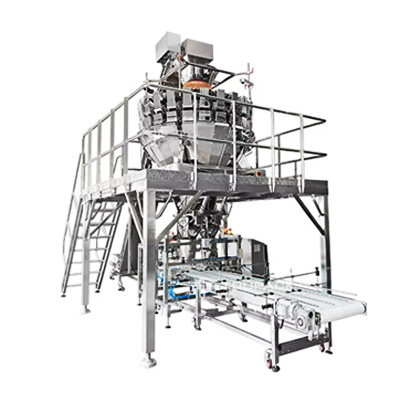
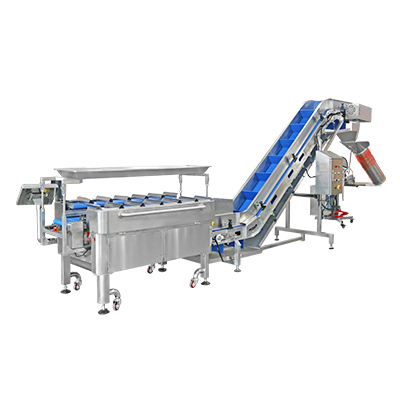
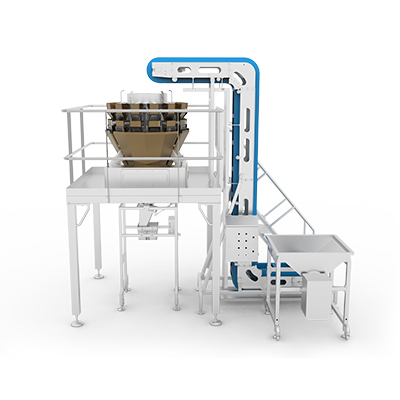
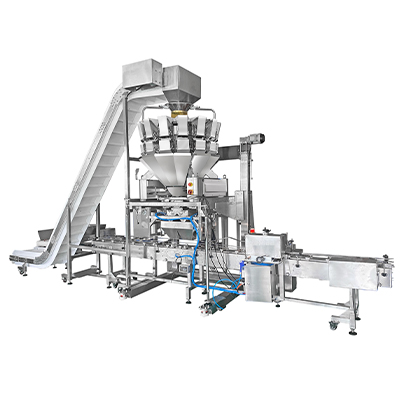
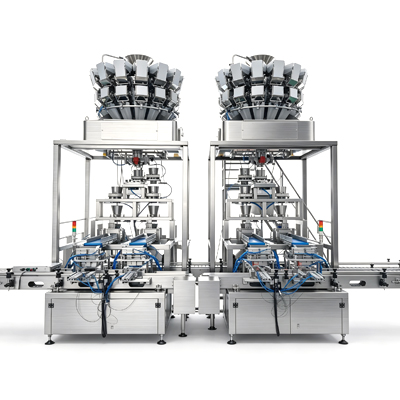
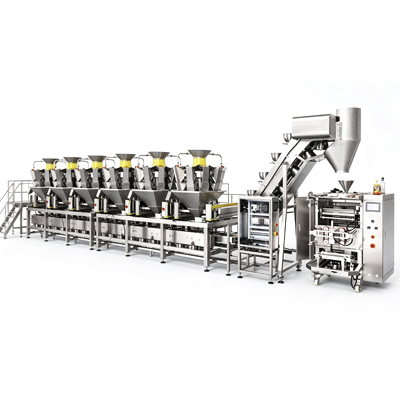
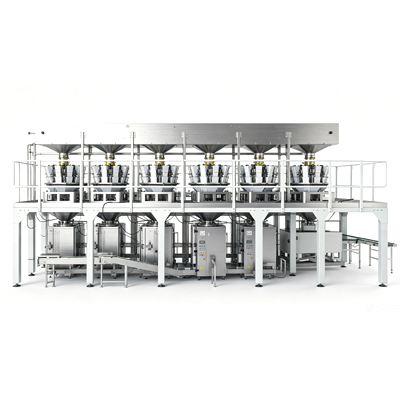
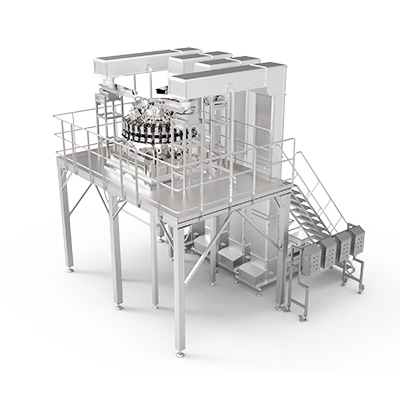
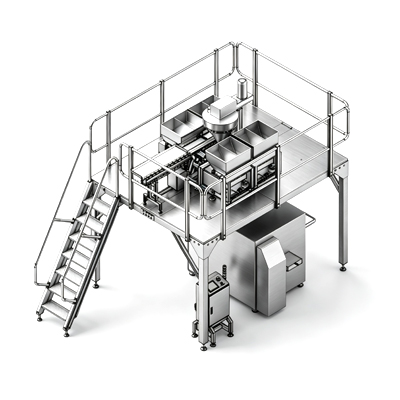
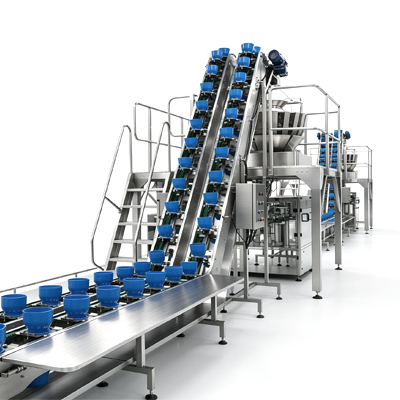
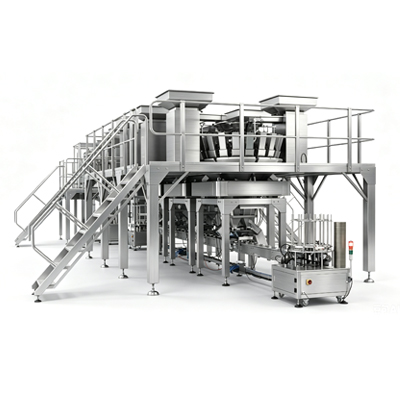
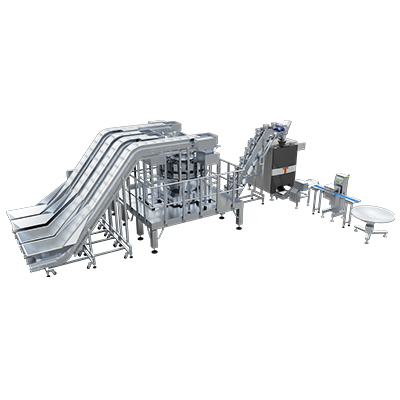
LEESOLU Multi-Material Weighing and Pet Food Packaging Solution
LEESOLU develops weighing and packaging solutions designed for manufacturers working with complex, multi-ingredient pet food products.
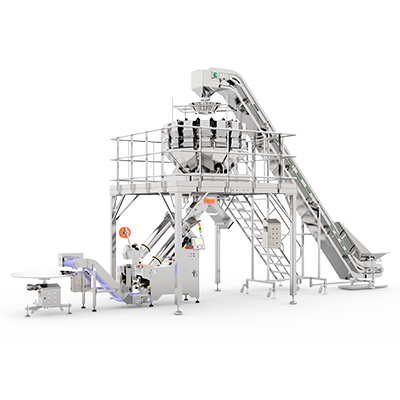
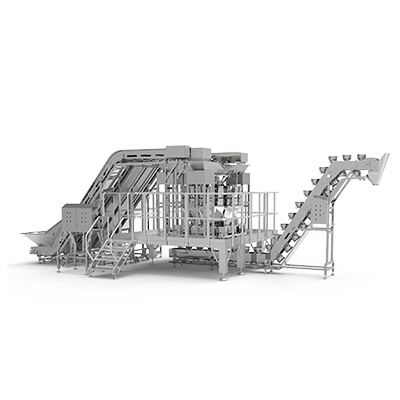
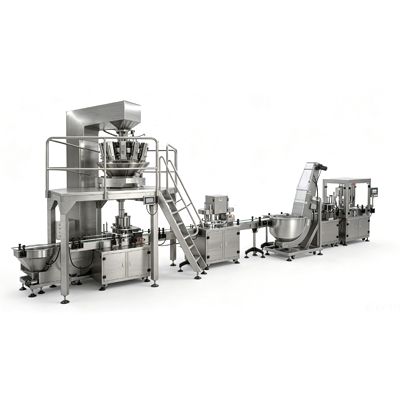
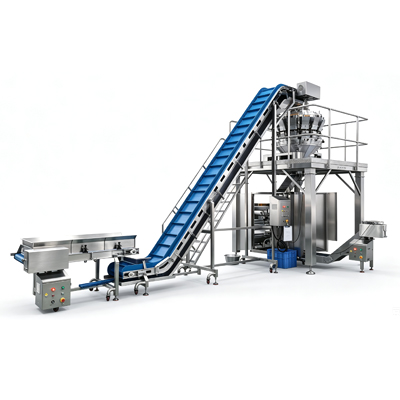
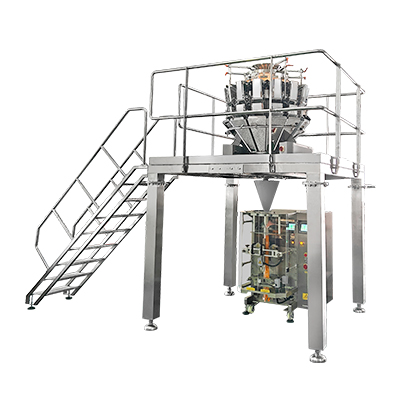
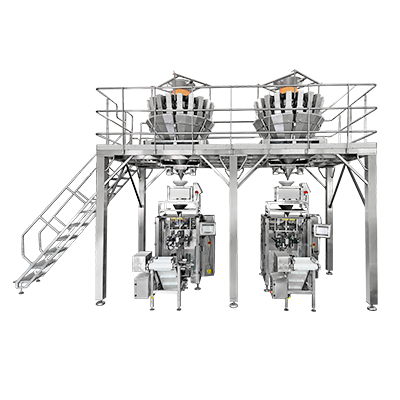
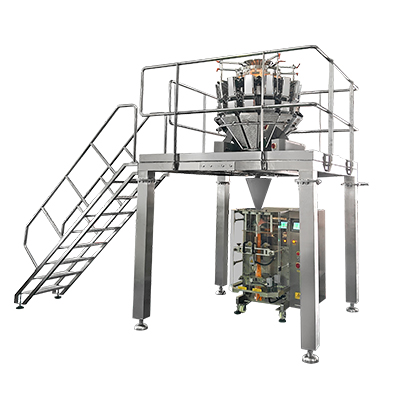
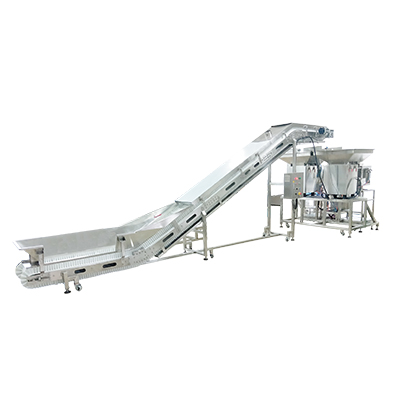
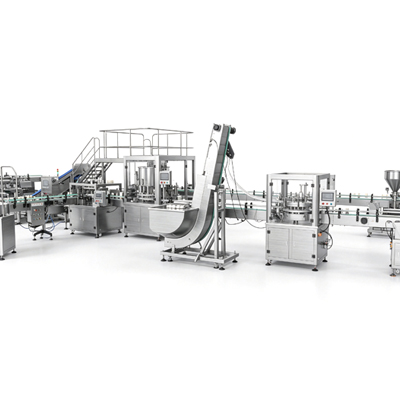
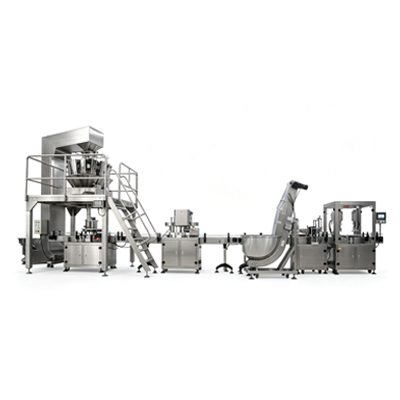
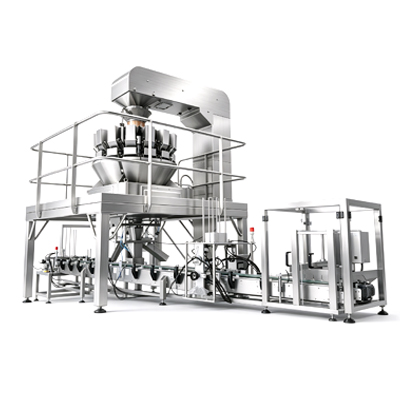
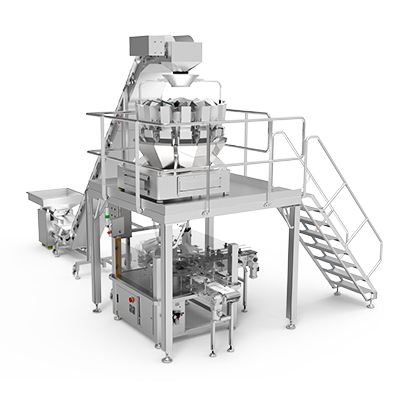
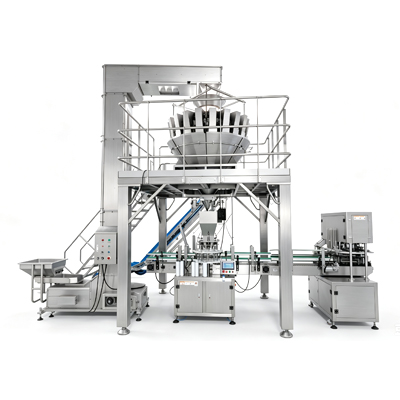
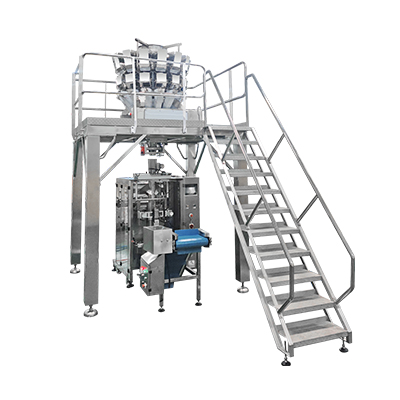
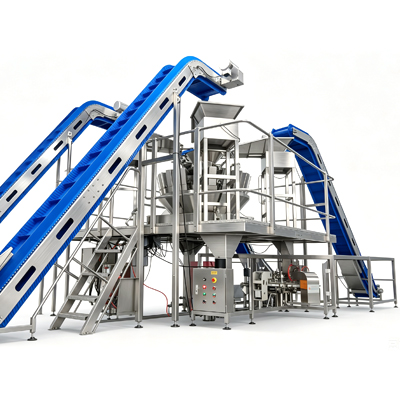
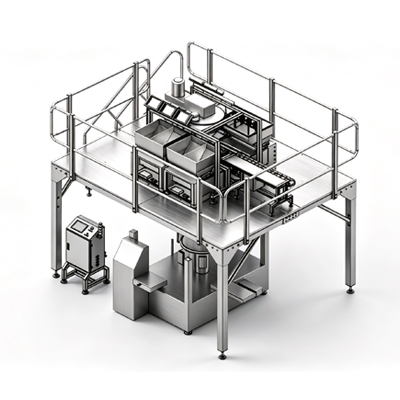
The system integrates automated weighing, material dosing, packaging, sealing, coding, and checkweighing into a coordinated production process.
The solution is designed around several key production requirements: accuracy, flexibility, gentle material handling, hygiene, and automation.
1. Multiple Formula Storage for Flexible Multi-SKU Production
Different pet food products require different ingredient ratios.
LEESOLU's system can store multiple formulation parameters, allowing operators to select the required recipe for different products.
For example, manufacturers can manage separate recipes for:
Puppy and kitten food
Adult pet food
Senior pet food
Sterilized pet food
Breed-specific formulas
Sensitive digestion products
Functional nutrition products
Customized premium pet food
This helps manufacturers respond more efficiently to changing market demand without requiring extensive manual adjustment for every product changeover.
For businesses producing multiple SKUs or smaller production batches, recipe-based production can be particularly useful.
2. Independent Multi-Channel Weighing
Different ingredients are independently weighed according to their target proportions before being discharged.
This allows each material to be controlled separately rather than relying on a simple bulk feeding process.
Independent weighing can help improve formulation consistency when ingredients have different densities, shapes, or flow characteristics.
For example, freeze-dried meat, kibble, vegetable pieces, and nutritional pellets can each be managed according to their specific weighing requirements.
The goal is simple:
Every package should reflect the formulation specified by the product developer.
3. Gentle Handling for Freeze-Dried and Fragile Ingredients
Not every pet food ingredient can be treated in the same way.
Freeze-dried meat, fragile pieces, and irregular ingredients may require gentler feeding and conveying.
LEESOLU's equipment can be configured with feeding structures suited to different material characteristics, helping reduce unnecessary breakage and product loss.
This is particularly important when manufacturers use higher-value ingredients where excessive product damage can directly increase production costs.
4. Optimized Feeding for Granular and Irregular Materials
Pet food ingredients can vary significantly in shape and size.
Some products are small and granular, while others may contain large irregular pieces.
Feeding systems therefore need to be designed around actual material characteristics.
LEESOLU's weighing and feeding solutions can be adapted to different types of products to help reduce problems such as:
Material bridging
Feeding instability
Blockages
Inconsistent flow
Excessive product breakage
This helps create a more stable weighing and packaging process.
5. Food-Grade Stainless Steel Construction
Hygiene is a fundamental requirement in pet food manufacturing.
Product-contact components of the equipment use 304 stainless steel, supporting hygienic production and routine cleaning requirements.
The equipment structure can also be configured according to the production environment and material characteristics.
For pet food manufacturers, this provides a foundation for building a cleaner and more reliable automated packaging process.
Automated Pet Food Packaging From Weighing to Finished Product
A modern pet food packaging solution needs to do more than simply weigh ingredients.
LEESOLU's integrated system can automate multiple stages of the packaging process:
By connecting these processes, manufacturers can reduce manual intervention and improve production consistency.
The final packaging stage can be configured for different types of flexible pet food packaging, depending on the product and packaging requirements.
Common options include:
Stand-up zipper pouches
Quad-seal bags
Aluminum foil bags
Premade bags
Other customized flexible packaging formats
Why Packaging Quality Matters for Pet Food
Packaging is not simply a way to contain the product.
It also plays an important role in protecting pet food during storage, transportation, and distribution.
Proper sealing can help reduce exposure to:
Moisture
Oxygen
External contamination
Environmental conditions
For products containing fats and oils, effective packaging can also help reduce the risk of oxidation and help maintain product freshness.
For premium pet food brands, packaging quality therefore contributes directly to the overall customer experience.
A high-quality formulation needs equally reliable packaging protection.
Key Benefits of Automated Pet Food Packaging Equipment
For manufacturers, investing in a modern pet food packaging machine is about more than automation.
The right system can support several important production objectives.
· Consistent Ingredient Ratios
Automated weighing and dosing help reduce variation between individual packages.
· Reduced Material Waste
More controlled weighing can help minimize unnecessary overfilling and material loss.
· Faster Product Changeovers
Stored recipes and automated parameter management can simplify transitions between different SKUs.
· Lower Labor Requirements
Automating weighing and packaging processes can reduce dependence on manual operations.
· Better Product Consistency
Standardized production parameters help maintain more consistent output across production batches.
· Flexible Multi-SKU Production
Manufacturers can use the same packaging platform for different recipes, ingredients, and packaging formats.
· Scalable Production
The system can support both growing manufacturers and larger-scale automated production environments.
What Types of Pet Food Can Be Packaged?
A properly configured pet food weighing and packaging system can be used for a wide range of products.
These may include:
Dry dog food
Dry cat food
Extruded kibble
Freeze-dried pet food
Mixed kibble and freeze-dried products
Meat pieces and flakes
Fruit and vegetable ingredients
Functional nutritional pellets
Specialty and customized pet food
The exact configuration should be determined by the product's physical properties, target weight, packaging format, required speed, and production requirements.
How to Choose the Right Pet Food Packaging Machine
Choosing a pet food packaging machine should begin with the product—not simply the desired packaging speed.
Before selecting equipment, manufacturers should evaluate several factors.
1. Ingredient Characteristics
What are the ingredient sizes, shapes, densities, and flow characteristics?
Are any ingredients fragile or easily damaged?
2. Number of Ingredients
How many different materials need to be weighed and combined?
A multi-material formulation may require a different weighing configuration from a conventional single-material product.
3. Target Weighing Accuracy
What is the target package weight and acceptable weighing tolerance?
Higher-value or functional ingredients may require tighter control.
4. Production Speed
What is the required output per minute or per hour?
The equipment should be matched to both current and future production requirements.
5. Number of SKUs
How many formulas does the factory need to produce?
If a manufacturer produces many SKUs, recipe storage and fast changeover become increasingly important.
6. Packaging Format
The bag type, bag size, sealing method, and packaging material all influence the required packaging configuration.
7. Hygiene and Cleaning Requirements
Equipment should be designed with food-grade materials and practical cleaning and maintenance requirements in mind.
8. Future Production Capacity
A packaging machine should not only meet today's requirements.
It should also provide enough flexibility for future product launches, additional SKUs, and increased production volumes.
Why Multi-Material Weighing Is Becoming More Important in Pet Food Manufacturing
The evolution of pet food formulations is changing the requirements for production equipment.
In the past, many manufacturers could rely on relatively simple weighing and packaging processes.
Today, the situation is different.
More specialized products mean:
More ingredients → More formulas → More SKUs → More frequent changeovers → Greater demand for weighing accuracy and production flexibility
This is why multi-material weighing and automated packaging are becoming increasingly relevant to modern pet food production.
The equipment must not only move products through a production line.
It must help manufacturers translate complex product formulations into consistent packaged products.
From Better Formulation to Better Production
The future of pet food is increasingly personalized.
Consumers want products that are better matched to their pets' age, breed, lifestyle, and nutritional needs.
For manufacturers, this means that product development and production technology need to evolve together.
A carefully designed formula is only valuable when the manufacturing process can reproduce it accurately and consistently.
This is where the right pet food weighing machine, multi-material weighing system, and automated pet food packaging equipment can make a difference.
By combining accurate weighing, flexible recipe management, appropriate material handling, and automated packaging, manufacturers can improve production consistency while reducing unnecessary labor and material waste.
LEESOLU: Multi-Material Weighing and Packaging Solutions for Pet Food Manufacturers
LEESOLU focuses on weighing and packaging solutions for products with complex material characteristics and diverse production requirements.
For pet food manufacturers, our solutions are designed to support:
Multi-material weighing
Customized formulations
Multi-SKU production
Accurate ingredient dosing
Gentle handling of fragile products
Automated bagging and sealing
Integrated checkweighing
Flexible packaging formats
As pet food continues to move toward premiumization, specialization, and functional nutrition, reliable production equipment will play an increasingly important role in turning innovative formulations into consistent finished products.
A better formula deserves a better production process.
With the right multi-material weighing and packaging solution, pet food manufacturers can bring more customized products to market while maintaining the consistency, efficiency, and quality today's consumers expect.
Looking for a pet food packaging machine for multi-material products? Contact LEESOLU to discuss your product, target weight, packaging format, and production requirements.
Automated mesh bagging extends produce shelf life by providing vital airflow. Upgrading your line slashes labor costs, stops product giveaway, and maximizes daily output.
Dust-controlled powder fillers use vacuum extraction and servo-driven augers to package fine materials. These automated systems prevent waste, ensure safety, and maximize ROI.
Horizontal packaging machines use lateral movement to safely package solids, powders, and liquids. These systems ensure leak-proof seals, cut labor costs, and maximize your ROI.
It is a high-tech enterprise specializing in the R&D, design, and independent manufacturing of packaging, conveying, weight detection, weighing, and filling equipment.