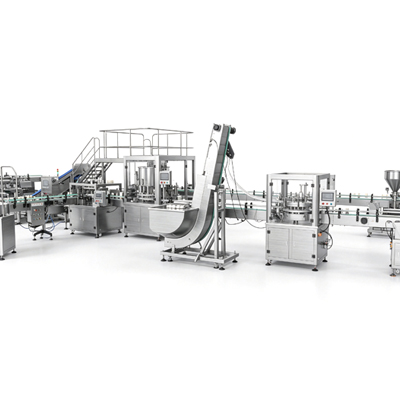
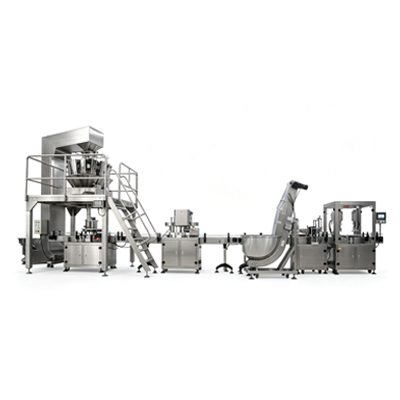
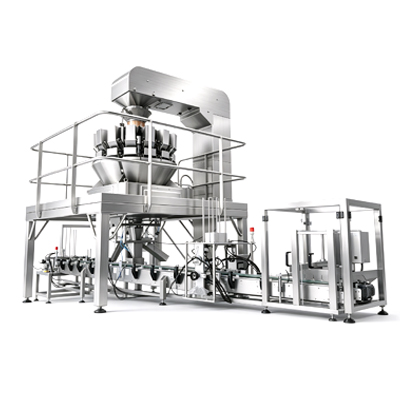
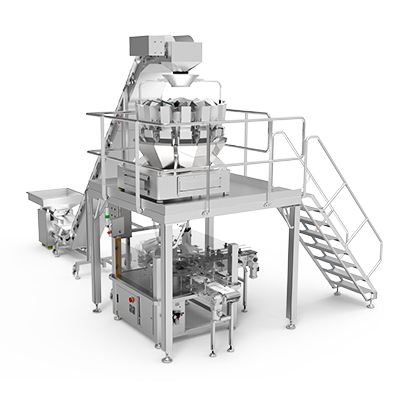
Is airborne dust ruining your production margins? Fugitive particulates cause severe material waste. They also introduce critical safety hazards to the factory floor. When handling fine and dry materials, automated dust-controlled systems are no longer just an optional upgrade. They are an operational necessity. In this comprehensive guide, we explore how modern containment solutions operate. We will delve into the mechanics of advanced dispensing technology and outline how to choose the right equipment to protect your bottom line today.
Key Takeaways
Safety and Compliance First: Modern dust-controlled systems actively eliminate airborne particulates at the source. This ensures strict compliance with Occupational Safety and Health Administration regulations and ATEX directives regarding combustible environments.
Precision Matters: Utilizing specialized equipment provides pinpoint volumetric accuracy for non-free-flowing materials. This mechanism drastically reduces product giveaway and ensures highly consistent batch weights.
Seamless Integration: Contemporary automated systems are designed for modularity. They seamlessly link unscramblers, filling stations, sealers, and labeling units through unified Programmable Logic Controller networks.
High ROI: The initial capital expenditure is rapidly offset by a reduction in daily maintenance costs, minimized raw material waste, and a drastic decrease in sanitation-related downtime.
The High Cost of Dust in Powder Packaging Operations
In industrial dry goods processing, airborne dust is not merely a nuisance. It represents a measurable operational deficit. Standard open-air dispensing methods allow fine particulates to escape into the facility environment. This triggers a cascade of negative financial and mechanical consequences.
Recent industry analyses highlight a massive shift in powder handling. Regulatory bodies are drastically tightening workplace exposure limits. Consequently, manufacturing facilities are rapidly pivoting away from legacy open systems. Market data shows a massive year-over-year increase in demand for fully enclosed architectures. Plant managers are prioritizing compliant designs to mitigate combustible dust risks. Furthermore, the integration of smart sensors for real-time dust monitoring is becoming a baseline expectation rather than a premium feature. Facilities failing to adapt face severe non-compliance penalties and skyrocketing insurance premiums.
Product Loss and Financial Waste
Fugitive dust directly equates to lost revenue. When dealing with premium non-free-flowing materials like pharmaceutical isolates, high-end dietary supplements, or specialized chemical compounds, even a marginal percentage of product loss heavily impacts profitability. Empirical data suggests that standard manual or semi-automated lines can lose between 0.5 percent and 1.5 percent of product to the air during a single cycle. Picture a facility processing 10,000 kilograms of premium whey protein daily. A mere one percent loss equates to 100 kilograms of wasted product every single shift. Over a fiscal year, this invisible waste translates into thousands of dollars swept off the floor and into the trash.
Machinery Wear and Maintenance Nightmares
Particulates are inherently abrasive and invasive. When a fine cloud settles on automated packaging lines, it aggressively infiltrates pneumatic cylinders, servo motor housings, and conveyor bearings. This micro-abrasion accelerates the degradation of moving parts. Inevitably, it leads to premature mechanical failures. Practically speaking, fine dust coating the lenses of photoelectric sensors and optical registration cameras causes the central controller to misread container positions. The result? A chain reaction of jammed lines, misaligned seals, and unplanned maintenance downtime that derails entire production schedules.
Health, Safety, and Cross-Contamination Risks
Beyond mechanical wear, the most critical concern remains workplace safety. Prolonged inhalation of fine particulates poses severe respiratory hazards to facility operators. In addition, organic materials like flour, starch, and certain chemical compounds are highly combustible. When suspended in the air at a specific concentration, a simple static spark can trigger a catastrophic explosion. In the pharmaceutical and food sectors, fugitive dust also introduces a high risk of cross-contamination between batches. This frequently leads to failed quality audits and devastating product recalls.
How a Dust-Controlled Filling Machine Works
To combat the inherent challenges of particulate suspension, engineering solutions have shifted from open gravity-fed systems to fully enclosed mechanically driven architectures. A modern powder filling machine utilizes a sophisticated combination of negative pressure, physical containment, and precise mechanical kinematics to keep the atmosphere entirely clean.
The Anatomy of a Dust-Free System
The foundation of a containment system is its enclosed architecture. Unlike older models where material drops freely from a hopper into a waiting receptacle, modern systems utilize sealed stainless steel hoppers. These are typically 50-liter capacity units equipped with dust-proof covers and heavy-duty silicone gaskets. The transition points between the bulk material feeder and the main hopper connect via flexible airtight polyurethane sleeves. This ensures that from the moment the raw material enters the system to the millisecond it reaches the container, it remains completely isolated from the ambient factory environment.
Vacuum and Dust Extraction Ports
The most vulnerable point in the packaging process occurs exactly when the material leaves the nozzle and enters the container. As the product displaces the air inside the bottle or pouch, that displaced air rushes upward. It carries fine particles with it. To neutralize this, advanced machines feature integrated collection shrouds and vacuum extraction ports. Positioned directly around the dispensing tube, these negative-pressure nozzles act instantly. As the displaced air attempts to escape, the vacuum system captures the airborne particulates and routes them into a localized HEPA filtration collector. This prevents any contamination of the sealing area.
Bottom-Up Filling Technology
For highly aerated or exceptionally dusty products, top-fill gravity methods fall short. Instead, engineers employ bottom-up technology. During this process, a servo-driven pneumatic lift raises the empty container so that the nozzle reaches the very bottom. As the product is dispensed, the container gradually lowers at a speed precisely synchronized with the output rate. By keeping the tip of the nozzle submerged within the product bed at all times, the drop distance is reduced to zero. This completely eliminates the formation of billowing clouds.
Why the Auger Filler is the Gold Standard for Dusty Products
While there are various methods for dispensing dry goods, the industry standard for handling fine dusty materials is the auger powder filler. This specific technology offers unmatched positive-displacement control over erratic particulate behavior.
Understanding Auger Technology
An auger system operates on the principle of positive displacement. The core mechanism consists of a conical hopper, a rotating agitator blade, and a vertically oriented screw enclosed within a tubular nozzle. The agitator continuously turns in the opposite direction of the screw. This breaks up clumps and ensures the material maintains a consistent bulk density as it feeds into the flights. Driven by a highly accurate servo motor, each precise rotation dispenses an exact mathematically calculated volume of product down into the receptacle.
Free-Flowing vs. Non-Free-Flowing Materials
Understanding rheology is critical when configuring this equipment. Dry goods generally fall into two categories requiring vastly different mechanical handling. Free-flowing items like granulated sugar or roasted coffee beans do not cohere. They flow easily under gravity but will leak out of an open tube. They require a spinner plate and a positive shut-off valve. In contrast, non-free-flowing materials like baking flour, talc, or whey protein interlock and clump. They resist gravity and are highly prone to aerating into clouds. Auger systems are specifically engineered to excel with these cohesive dusty materials. By physically forcing the product down through a straight-walled tube, the screw prevents the material from aerating. This is a common failure point in standard gravity-drop systems.
Core Comparison: Open-Air vs. Enclosed Auger Systems
Feature
Legacy Open-Air Gravity Filler
Modern Enclosed Auger System
Dust Containment
Poor. Particulates escape freely into the facility.
Excellent. Sealed hoppers and vacuum shrouds trap 99% of dust.
Volumetric Accuracy
Low. Fluctuates by ±3% to ±5%.
High. Servo-driven precision achieves ±1% or better.
Material Suitability
Only works well for heavy granular free-flowing items.
Ideal for cohesive non-free-flowing and aerated powders.
Sanitation & Maintenance
High labor cost. Requires constant cleaning of surrounding areas.
Low labor cost. Self-contained with quick-disconnect tooling.
Integrating Packaging Machinery into Automated Lines
Procuring a standalone unit is only part of the equation. True operational efficiency is achieved through holistic system integration. A modern powder filling packing machine is designed to serve as the beating heart of a synchronized fully automated production line.
Pre-Filling Container Handling
Before the dispensing process begins, containers must be prepared to strict sanitary standards. The automated sequence typically kicks off with a rotary unscrambler that aligns and feeds empty bottles or jars onto a variable-speed conveyor. In pharmaceutical or food-grade applications, the containers then pass through a sterilization zone. Operators rely on ionized air rinsing systems combined with heavy-duty vacuum extraction to remove manufacturing debris from inside the bottle.
Synchronization and Speed
The efficiency of the entire line relies on split-second timing governed by a central controller. As the sterilized container approaches the station, photoelectric sensors detect its leading and trailing edges. The system engages pneumatic indexing gates to perfectly position the container directly beneath the nozzle. The servo motor triggers instantaneously dispensing the exact volume required. Because the system is heavily interconnected, if a sensor detects a missing container, it instantly activates a no-bottle no-fill protocol. This crucial failsafe prevents the machine from dumping expensive raw material directly onto the moving conveyor belt.
Actionable Selection Guide: Must-Have Equipment Features
When evaluating capital equipment for a facility, production managers must look far beyond basic speed metrics. The integration of high-quality machinery requires specific engineering features designed to mitigate airborne particles and maximize Overall Equipment Effectiveness.
Tool-Less Quick Disconnects and Split Hoppers
In modern manufacturing, downtime is a massive drain on profitability. Facilities that process multiple product types require frequent machine changeovers. Look for equipment featuring a half-open stainless steel hopper design. Tool-less quick disconnects allow operators to dismantle hoppers, screws, and dispensing nozzles using simple heavy-duty sanitary clamps rather than wrenches. This deliberate engineering choice reduces changeover times from several hours to mere minutes.
High-Grade Stainless Steel Construction
The metallurgical composition of your equipment directly impacts its lifespan. Standard carbon steel is highly susceptible to corrosion. High-grade stainless steel, specifically 304 for standard food applications or 316L for corrosive chemical and pharmaceutical use, should be the non-negotiable standard. Furthermore, all internal welds must be ground smooth and polished to a mirror finish. This prevents fine particles from adhering to the metal and streamlines the daily sanitation process.
Servo-Motor Driven Precision
Traditional setups often rely on mechanical clutch and brake mechanisms to start and stop the flow. These mechanical systems suffer from physical wear over time. This inevitably leads to inconsistent fill weights. Upgrading to servo-motor drives provides precise programmable control over the rotational positioning of the tooling. Because servo motors operate via electronic closed-loop feedback, they deliver microscopic volumetric precision. Real-world applications routinely see accuracy locked in at ±1 percent.
Intuitive Touchscreen Interfaces
The bridge between complex mechanical operations and the human operator is the control panel. A robust full-color touchscreen integrated with a premium logic controller allows for seamless recipe management. Operators can easily save dozens of pre-configured settings for different products and container sizes. During a production run, the operator simply selects the saved recipe and the system automatically calibrates itself.
Comparing Packaging Formats: Bottles vs. Zipper Pouches
The physical characteristics of the final packaging dictate the specific configuration of the filling equipment. Automated lines must be intricately tailored to handle the mechanical behavior of the container.
Rigid Containers
Rigid containers like high-density polyethylene bottles or glass jars are highly stable on conveyor belts. They are ideal for high-speed inline indexing. When processing rigid containers, the primary challenge is displacing the internal air without creating a plume. By integrating bottom-up methodologies and localized vacuum extraction, rigid lines achieve rapid throughput speeds while completely trapping the dust.
Flexible Zipper Pouches
There is a massive market shift toward flexible packaging driven by reduced shipping weight and consumer convenience. Stand-up pouches with resealable zippers are highly preferred. However, flexible substrates introduce unique mechanical challenges. Pouches must be mechanically opened by pneumatic grippers and perfectly aligned with the nozzle. If airborne particles settle onto the internal zipper track, the subsequent heat seal will inevitably fail. Specialized pouch systems employ targeted extraction shrouds directly above the zipper line to ensure a hermetic airtight closure every single time.
Calculating the ROI of Upgrading Your Packaging Line
Procuring an automated dust-controlled line represents a significant capital expenditure. However, decision-makers must evaluate this investment through the lens of long-term return on investment. Upgrading obsolete machinery yields measurable financial returns across three primary operational pillars.
Labor Savings and Reallocation
Manual or semi-automated operations are notoriously labor-intensive. They require multiple operators to position containers, verify weights on a static scale, and constantly wipe down fugitive dust. Transitioning to a fully synchronized line drastically reduces the required headcount per shift. The financial impact is not merely in eliminating hourly wages. It allows plant managers to reallocate those human resources to higher-value tasks like quality assurance or preventative maintenance.
Reduced Product Giveaway
Product giveaway is the intentional overfilling of containers to ensure compliance with the legal minimum weight printed on the label. Standard clutch-driven machines often fluctuate by ±3 percent in accuracy. If a facility packages a premium product valued at twenty dollars per kilogram, a three percent overfill on a massive annual production run results in staggering financial losses. By utilizing servo-driven technology combined with an automated checkweigher feedback loop, modern systems tighten that tolerance. This precision stops giveaway in its tracks.
Lower Maintenance and Sanitation Costs
Implementing containment technology fundamentally changes facility maintenance. By keeping the material isolated inside the machine, ambient dust is eradicated. Sanitation crews spend significantly less time scrubbing down the factory floor at the end of a shift. Furthermore, because abrasive particulates are no longer infiltrating the bearings and optical sensors, the mean time between failures increases dramatically. Emergency maintenance plummets.
Conclusion: Protect Your Margins Today
Effective dust control is absolutely vital for production safety, regulatory compliance, and overall mechanical efficiency. Choosing the right containment equipment maximizes your operational profitability by eliminating product waste and protecting your workforce from hazardous airborne particles. This strategic investment not only streamlines daily output but significantly extends the lifecycle of your entire packaging line. Stop letting valuable product float away into the factory rafters. Evaluate your current material rheology, demand high-grade stainless steel construction, and upgrade to servo-driven precision. Explore the advanced automated solutions at LeeSolu to find the exact configuration tailored for your specific production needs and start protecting your bottom line today.
Frequently Asked Questions
Can a single machine handle both free-flowing and non-free-flowing materials?
Yes. A single automated system can be engineered to handle both types of consistencies, but it requires interchangeable modular tooling. For non-free-flowing items like flour or talc, a standard screw forces the cohesive material down through a straight funnel. For free-flowing items like granulated sugar or salt, the machine must be equipped with specific accessories like a spinner plate and a specialized closure valve. These components prevent the granular product from continuously dripping out of the nozzle when the motor stops rotating.
How does a dust-controlled machine improve the final sealing process?
Airborne particulates are the primary enemy of a reliable seal. During standard gravity filling, plumes often settle on the rim of a bottle or inside the interlocking tracks of a zipper pouch. When the container reaches the induction sealer or heat-sealing jaws, these particulate contaminants prevent the surfaces from bonding completely. By utilizing localized vacuum extraction ports and bottom-up methodologies, a modern system ensures that the rim or zipper track remains completely pristine. This clean surface guarantees an airtight seal.
What industries benefit most from automated containment systems?
Virtually any industry that processes dry particulates can achieve significant operational improvements. The food and beverage sector relies heavily on these machines for packaging spices, ground coffee, and whey protein. The pharmaceutical industry utilizes them for the precise dosing of medicinal isolates. Additionally, the cosmetics industry uses them for talcum powders, while the chemical sector depends on robust automated lines to safely package harsh detergents and industrial additives without exposing workers to hazardous airborne materials.
How accurate is a modern servo-driven system?
The accuracy depends heavily on the flow characteristics of the material and the technology driving the machine. When driven by a high-precision servo motor rather than a mechanical clutch, modern systems are exceptionally precise. For consistent uniform materials, these automated lines routinely achieve accuracies of ±1 percent of the target weight. Automated feedback loops continuously compensate for slight changes in the bulk density throughout the production run.
How often should HEPA filters be replaced in a powder filling line?
Filter replacement schedules depend entirely on production volume and the specific characteristics of the powder being handled. In high-volume facilities running ultra-fine sticky particulates, filters may require inspection weekly and replacement every three to six months. Conversely, lines processing heavier granular materials might only need annual replacements. Monitoring the differential pressure gauge on the vacuum extraction unit is the most reliable engineering method to determine exactly when a filter is blinded and requires swapping.
What is the ATEX certification requirement for powder packaging?
ATEX certification is a strict regulatory directive required for equipment operating in explosive atmospheres. Because many fine organic powders like flour, sugar, and certain chemicals are highly combustible, the packaging machinery must be engineered to prevent any source of ignition. This means utilizing intrinsically safe electrical components, anti-static conveyor belts, grounded stainless steel enclosures, and explosion-proof servo motors. If your facility handles combustible dust, installing ATEX-certified machinery is a mandatory legal and safety requirement.
Automated mesh bagging extends produce shelf life by providing vital airflow. Upgrading your line slashes labor costs, stops product giveaway, and maximizes daily output.
Dust-controlled powder fillers use vacuum extraction and servo-driven augers to package fine materials. These automated systems prevent waste, ensure safety, and maximize ROI.
Horizontal packaging machines use lateral movement to safely package solids, powders, and liquids. These systems ensure leak-proof seals, cut labor costs, and maximize your ROI.
It is a high-tech enterprise specializing in the R&D, design, and independent manufacturing of packaging, conveying, weight detection, weighing, and filling equipment.