Are manual bagging errors eating into your facility's daily profits? Slow packaging lines and poor ventilation usually guarantee premature produce decay. This constant operational bottleneck crushes profit margins in modern packing houses. Let us look at how automated equipment actually solves these ground-level issues. Specifically, we will dive into which crops absolutely need breathable packaging and how upgrading the line transforms your bottom line.
Key Takeaways
Ideal Produce: Root vegetables like potatoes, onions, and garlic, alongside citrus fruits, demand maximum ventilation to survive transit.
Speed and Efficiency: Upgrading to automation pushes processing speeds up to 40 bags per minute, easily outpacing manual labor.
Extended Shelf Life: Mesh actively stops moisture buildup, drastically reducing rot and extending the marketable window for fresh goods.
Cost Reduction: Automated systems slash labor dependencies, minimize consumable waste, and stop product giveaway through precise load cells.
Sustainability: Modern mesh aligns perfectly with global eco-friendly mandates and visual presentation standards.
Why Mesh Bags Are the Gold Standard for Produce Packaging
Before sizing up the machinery, facility managers must understand why mesh remains non-negotiable for certain crops. The consumable material directly dictates shelf life, transport safety, and retail success. Fresh produce respires heavily long after harvest. It constantly releases carbon dioxide, ethylene gas, and water vapor.
Sealing these crops in solid plastic traps the gas. Elevated ethylene speeds up the aging process. Consequently, trapped moisture breeds aggressive bacterial and fungal rot. Mesh provides 360-degree continuous airflow. This constant ventilation lets moisture evaporate naturally while dispersing harmful gases. Packing houses see a massive drop in spoilage during transit and cold storage when utilizing breathable materials.
Furthermore, visibility builds instant consumer trust. Supermarket shoppers want to see the color and firmness of their groceries. Colored netting enhances retail presentation without hiding defects, offering transparency that rigid cardboard simply cannot match.
Ideal Crops for Breathable Net Packaging
The global agricultural supply chain is aggressively pushing toward zero-waste operations. Major supermarket chains now enforce ruthless shelf-life minimums. They heavily penalize suppliers for any spoiled goods found on the receiving dock. As a result, modern packing houses are ditching suffocating plastic films and adopting breathable mesh at record rates. Minimizing ethylene gas buildup is no longer just good practice; it is a strict requirement to meet eco-friendly packaging mandates and extend retail viability.
Not all crops fit this profile. Delicate berries need rigid clamshells. However, robust produce thrives in high-airflow environments.
Root Vegetables
Potatoes, onions, and garlic are prime candidates for netting. After harvest, they undergo a curing process to harden their skins and protect the starchy interior. Trapped moisture causes rapid soft rot in potatoes and premature sprouting in onions. They require dry, dark, and highly ventilated storage.
Here, an automatic mesh bag packing machine proves invaluable. These heavy-duty units are built to handle abrasive root crops. The equipment drops heavy potatoes gently into durable mesh, preventing impact bruises and material tears.
Citrus Fruits
Oranges, lemons, and mandarins attract blue and green mold in damp spots. Airflow is mandatory for citrus preservation. Mesh keeps the porous rind dry and stops mold dead in its tracks. In addition, the soft yet tough netting protects the fruit from friction damage during long-haul transport.
Hard-Shelled Nuts
Chestnuts and walnuts possess sharp, irregular edges. Thin plastic films puncture easily under the weight of a stacked pallet, causing massive product loss. Woven Leno mesh offers incredible tensile strength. It handles intense friction and sharp edges without failing, ensuring the load remains secure from farm to shelf.
How Automated Mesh Bagging Transforms Daily Operations
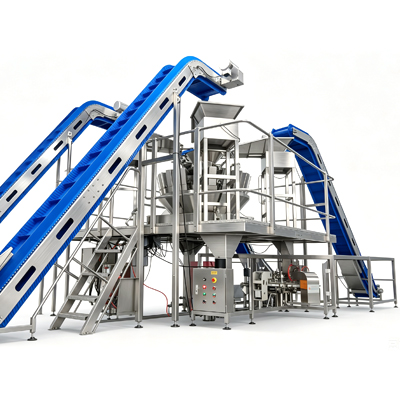
Moving from manual labor to an automated line is a major operational leap. Understanding the mechanics helps engineers and managers make objective procurement choices. Picture a busy harvest season where bins of onions flow relentlessly into the hopper.
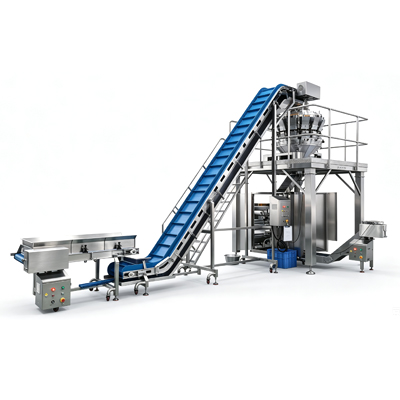
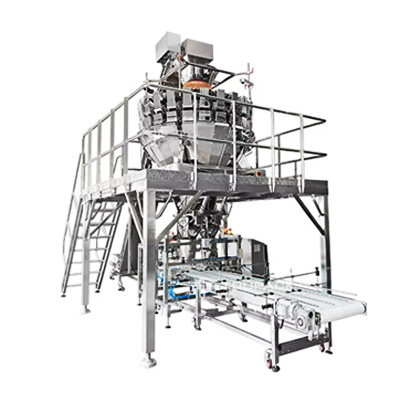
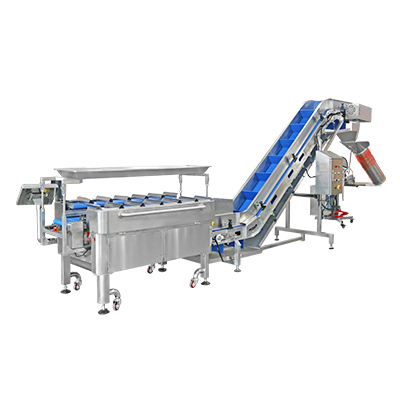
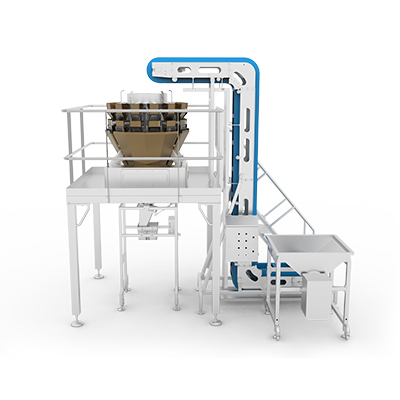
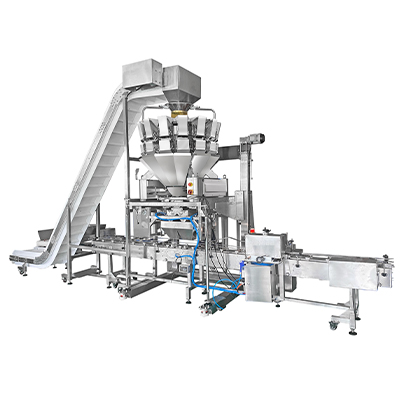
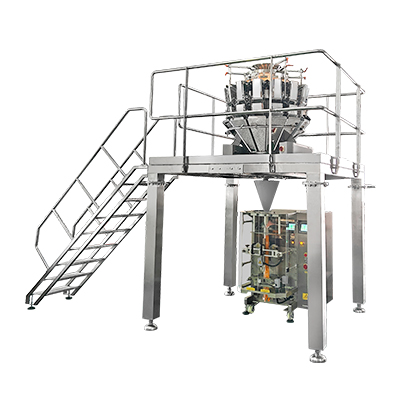
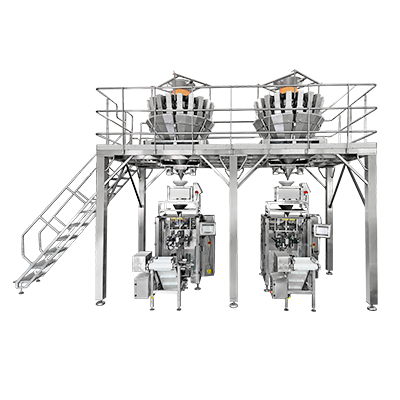
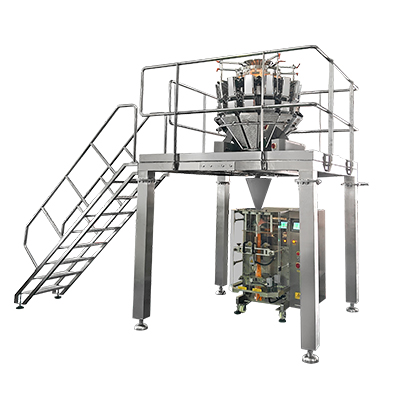
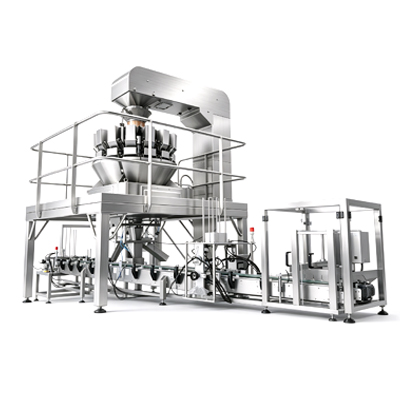
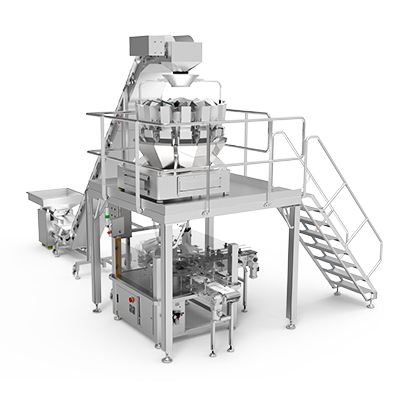
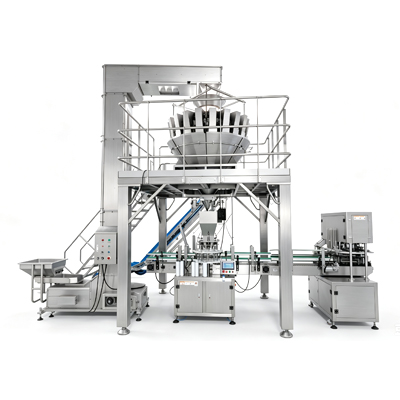
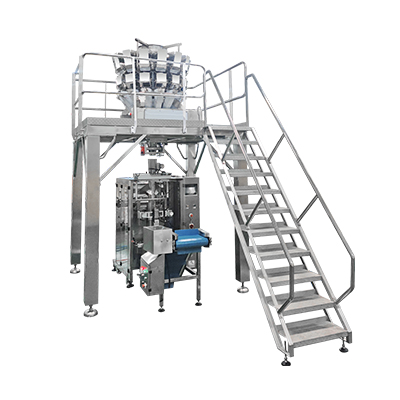
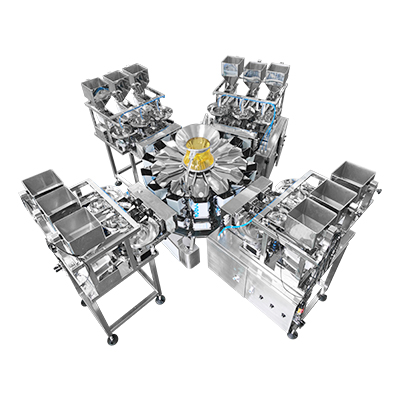
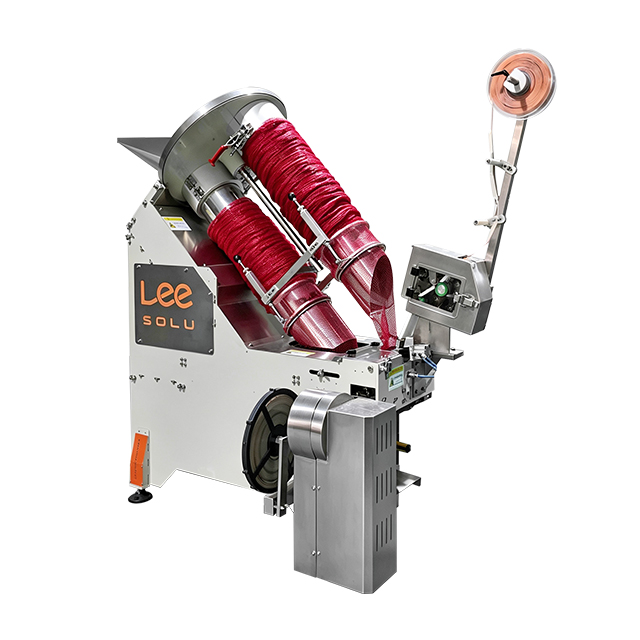
The process starts upstream with a multi-head weigher. This unit uses precise load cells to measure exact portions. Once it hits the target weight, the onions drop through a stainless steel forming tube. At the base, continuous tubular netting is pulled down and clamped. Mechanical jaws gather the top of the filled section and the bottom of the next. A clipping mechanism fires, applying a secure metal wire clip to both ends simultaneously. The machine cuts the net between the clips. A perfectly sealed bag drops onto the outfeed conveyor. This entire sequence takes a fraction of a second.
Manual workers might hit five to eight bags a minute before fatigue sets in. In contrast, a fully automated setup consistently pushes out 30 to 40 bags per minute. During peak season, this speed clears inventory fast and stabilizes production regardless of local labor shortages.
Top Business Benefits of Automated Packaging Lines
Capital expenditure on packaging equipment requires a strict return on investment. Implementing this technology delivers immediate financial wins across the board.
Drastic Reduction in Labor Costs
Labor shortages cripple packing houses every season. Manual lines need a small army just to weigh, fill, hold, and tie bags. Integrating a produce mesh bag packaging machine slashes this headcount. You only need one operator to monitor the interface, load net rolls, and swap clipping wire. The labor savings alone often pay for the machine within the first twelve to eighteen months.
Precision Weight Accuracy
Manual workers routinely overfill bags to avoid underweight supermarket penalties. This product giveaway drains profits silently. Giving away an extra 50 grams per one-kilogram bag means losing five percent of your total yield. Automated machines calculate the exact combination of produce to hit the target weight. Giveaway drops below one percent, protecting your bottom line.
Reduced Material Waste
Manual bagging ruins pre-cut bags through tears or bad ties. Automated units use continuous rolls, pulling only the exact length needed for that specific volume. The automated clipper ensures a perfect seal every time, driving consumable waste down to near zero.
Leno Mesh Bags vs. Traditional Packaging Materials
Material choice matters just as much as the machine. Leno mesh uses twisted warp and weft yarns. This interlocking design stops the fabric from unraveling if a single thread snags. It easily holds heavy, abrasive loads from consumer packs up to large wholesale sacks.
Solid polyethylene bags puncture easily. A single sharp walnut shell can ruin the whole package. Corrugated cartons absorb moisture in cold storage and collapse under weight. Mesh also uses far less plastic by weight, aligning perfectly with modern sustainability metrics and recycling streams.
Feature
Leno Mesh Bags
Solid Plastic Bags
Corrugated Cartons
Ventilation
Excellent with 360-degree airflow
Poor as it traps moisture and gas
Moderate but requires punch holes
Visibility
High product transparency
Low to Moderate
None unless open-top design
Durability
High tear-resistant weave
Moderate and prone to puncturing
High but susceptible to moisture decay
Material Weight
Very Low
Moderate
High
Key Specifications for Selecting Your Net Bag Packer
Transitioning to automation requires looking at hard specifications. Do not just buy a standalone unit; look for seamless integration. Standard communication protocols let the bagger sync perfectly with the upstream dosing unit, ensuring nets are only clipped when the exact weight registers.
Packing houses switch produce and bag sizes constantly. Look for units handling both extruded and knitted nets. Quick-release forming tubes are critical. An automatic net bag packer engineered for versatility allows operators to switch from one-kilogram garlic packs to five-kilogram potato bags in under ten minutes without special tools.
Heavy-duty environments require SUS304 or SUS316 stainless steel construction. This resists acidic plant residues and constant washdowns. Finally, a robust touchscreen interface lets floor staff adjust bag lengths and troubleshoot errors instantly without calling maintenance.
Is Your Facility Ready for Automation?
Run a quick audit of your floor. If you process thousands of bags daily, manual labor is a severe liability. Inconsistent speeds ruin delivery schedules. If overtime costs are bleeding your margins or you struggle to staff the line, automation is no longer a luxury. When you combine reduced labor dependencies with the elimination of product giveaway, the upgrade becomes a highly compelling survival tool for modern agriculture.
Conclusion and Next Steps
Breathable crops absolutely require mesh packaging. Without it, decay ruins shipments and destroys retail relationships. Upgrading to an automated packing line is a strategic win that pays for itself through massive labor savings, high-speed output, and zero product giveaway.
Review your daily bottlenecks today. If labor shortages and slow processing hold your business back, it is time to take action. Explore the comprehensive range of automated packaging solutions from LeeSolu to find the exact machinery that fits your production volume and transforms your operational efficiency.
FAQ
What is the maximum weight an automatic net bag packer can handle?
Most automated packing machines are highly adjustable to cater to retail and wholesale needs. Standard models efficiently handle consumer packs ranging from 0.5 kilograms to 5 kilograms. Heavy-duty industrial models designed for wholesale distribution can manage bulk weights up to 25 kilograms. The maximum capacity depends on the forming tube diameter and the tensile strength of the selected netting.
Can the equipment print and apply labels?
Yes, modern automated systems integrate seamlessly with thermal transfer label dispensers. During the packing cycle, these dispensers apply wineglass labels or wrap-around bands directly to the bag. The printers synchronize with the control system to print exact weights, barcodes, and harvest dates, ensuring full traceability for supermarket compliance.
Do mesh bags actually prevent onions and potatoes from rotting?
Yes, mesh bags are incredibly effective at stopping premature decay. Rotting in root vegetables is accelerated by trapped moisture and ethylene gas. Solid plastic creates a micro-environment that breeds mold rapidly. Mesh provides continuous ventilation, dissipating gas and keeping the produce dry, which significantly extends shelf life.
How difficult is the daily operation and maintenance?
Operating these machines is highly straightforward. Modern equipment relies on intuitive touchscreen interfaces. Once the floor manager sets the target weight and bag length, the machine runs autonomously. The operator simply monitors the line, reloads continuous net rolls, and replaces the metal clipping wire. Built-in diagnostics instantly alert operators to any material shortages.
How much floor space does a complete mesh bagging line require?
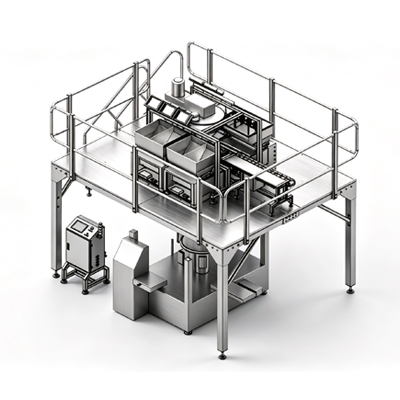
The footprint depends largely on the upstream weighing equipment. The bagger itself is relatively compact, often taking up just a few square meters. However, multi-head weighers require vertical clearance and sturdy platforms. Facility managers should account for both the vertical drop height and the outfeed conveyor length when planning the installation layout.
What is the typical return on investment timeframe for this equipment?
For facilities processing high volumes, the return on investment typically falls between twelve to eighteen months. This rapid payback is driven by the sheer reduction in manual labor costs, the elimination of costly product giveaway, and the ability to process higher volumes during peak harvest windows without paying excessive overtime.
Automated mesh bagging extends produce shelf life by providing vital airflow. Upgrading your line slashes labor costs, stops product giveaway, and maximizes daily output.
Dust-controlled powder fillers use vacuum extraction and servo-driven augers to package fine materials. These automated systems prevent waste, ensure safety, and maximize ROI.
Horizontal packaging machines use lateral movement to safely package solids, powders, and liquids. These systems ensure leak-proof seals, cut labor costs, and maximize your ROI.
It is a high-tech enterprise specializing in the R&D, design, and independent manufacturing of packaging, conveying, weight detection, weighing, and filling equipment.