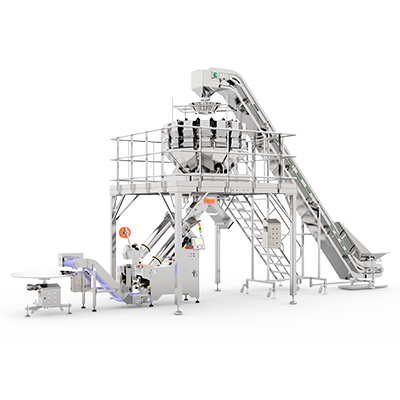
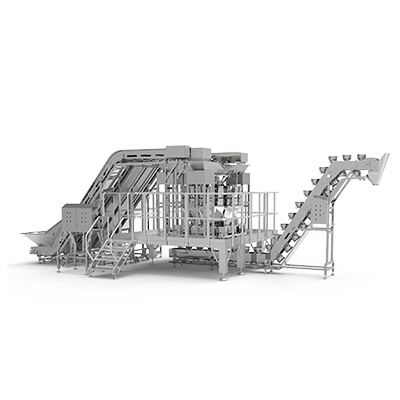
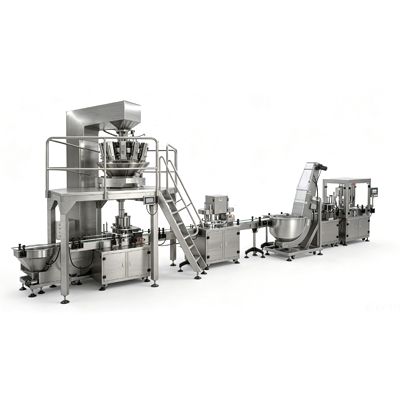
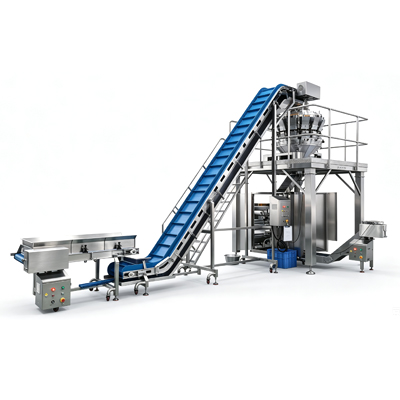
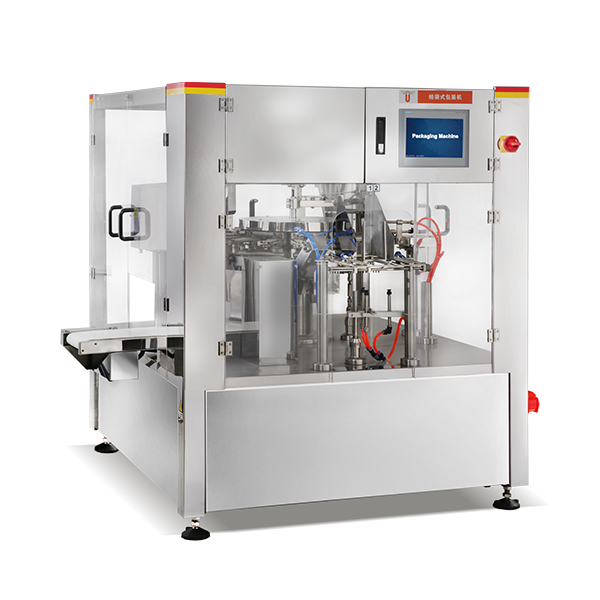
Moving from manual packaging or outdated automation to a modern packaging solution requires a precise understanding of material flow, drop impact, and film compatibility. Many manufacturers struggle to match their product characteristics with the right automated machinery. They often face excess film waste, poor seal integrity, or sluggish production speeds. These issues eat directly into daily output goals.
At the evaluation stage, the question isn’t just whether a machine can physically package your product. You must determine whether it is the most efficient and compliant method. You need to compare it against pre-made pouch filling or horizontal systems. Making the wrong architectural choice here leads to bottlenecks.
This guide breaks down exact product applications, technical limitations, integration requirements, and evaluation criteria. We examine how different materials interact under gravity-fed conditions. You will learn how to determine if a Vertical Form Fill Seal Machine fits your production line perfectly.
Key Takeaways
Primary Strengths: VFFS systems excel in high-speed, continuous motion packaging for free-flowing bulk goods, powders, and viscous liquids.
Inherent Limitations: Gravity-fed systems are unsuitable for highly fragile items, perfectly oriented stacking (e.g., cracker sleeves), or extremely sharp products that risk film puncture.
Integration Dependency: Packaging success depends entirely on matching the VFFS machine with the correct doser (e.g., multi-head weighers for snacks, augers for powders, positive displacement pumps for liquids).
ROI Driver: The primary commercial advantage is the reduction in cost-per-bag by forming pouches from flat rollstock film rather than purchasing pre-made bags.
Core Product Categories Ideal for VFFS Automation
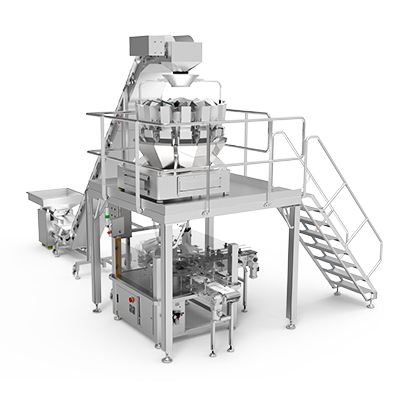
Assessing product compatibility starts by analyzing flow characteristics and bulk density. You cannot treat a dense powder the same way you treat a lightweight snack. A Vertical Form Fill Seal Machine relies primarily on gravity. The product must drop vertically through a forming tube. Let us examine the four main categories.
Free-Flowing Dry Goods
These products represent the most common application for vertical packaging. Examples include coffee beans, tree nuts, extruded snacks, rice, and pet food kibble. These items fall easily and predictably.
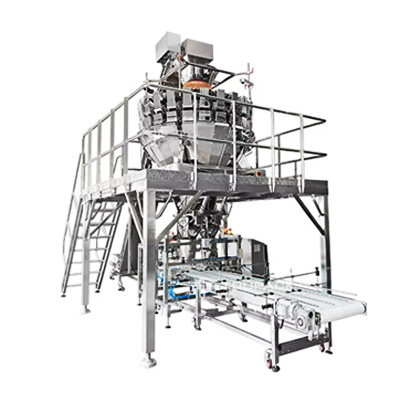
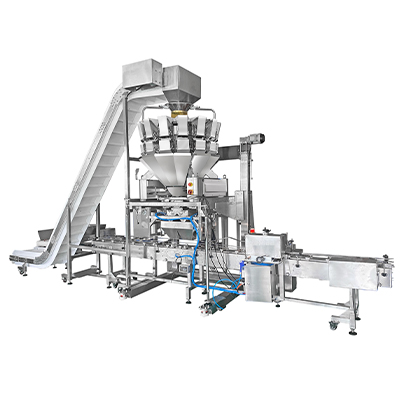
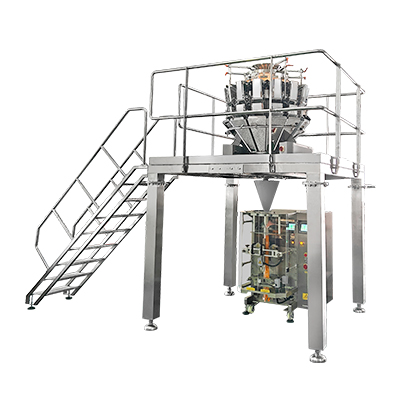
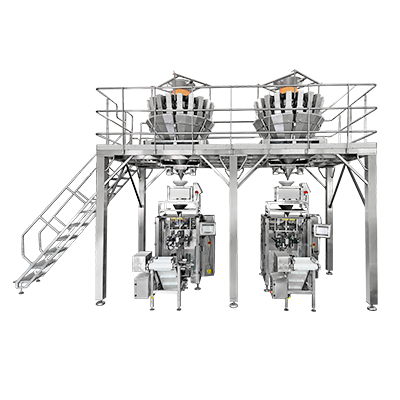
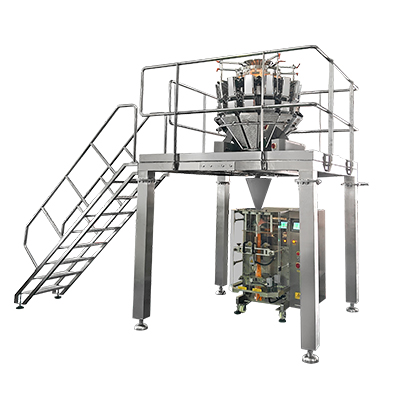
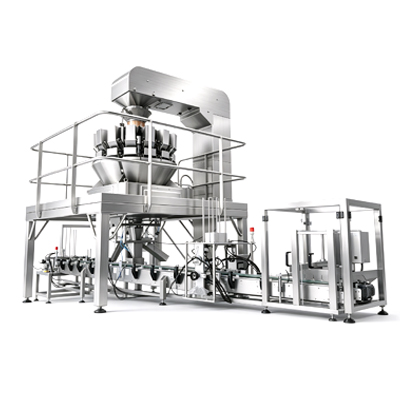
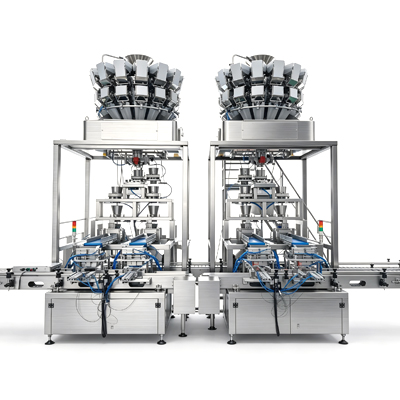
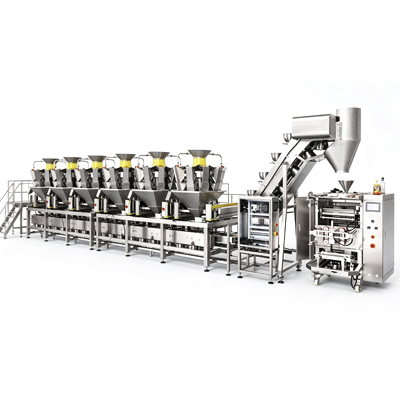
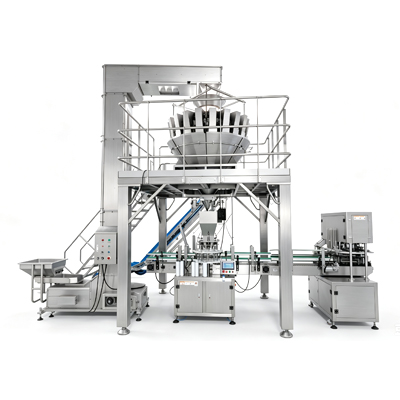
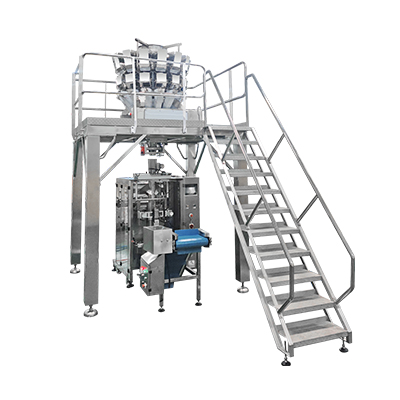
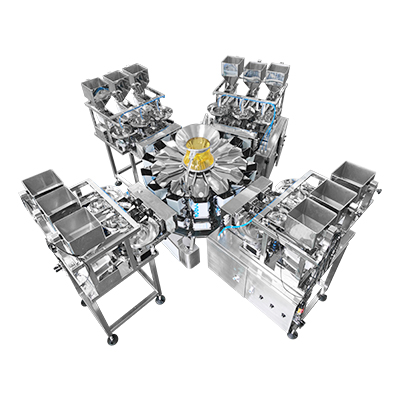
Gravity-assisted dropping allows for high-speed continuous motion. The product does not clump or stick to the sides of the forming tube. You typically pair the machine here with a multi-head combination weigher. The weigher calculates the exact weight in milliseconds. It then drops the precise dose just as the film forms the bag below. This synchronization maximizes throughput.
Non-Free-Flowing Powders and Granules
Handling powders requires a completely different approach. Examples include baking flour, ground coffee, fine spices, protein powder, and commercial baking mixes. These products generate airborne dust. They also bridge or clump together.
Enclosed filling limits dust generation. You must integrate servo-driven auger fillers. An auger uses a rotating screw to force the exact volume of powder down the tube. Strict environmental dust control is mandatory. If dust settles in the sealing area, the heat jaws cannot melt the film properly. This causes leaky bags. We often recommend adding vacuum dust extraction ports near the sealing jaws.
Liquids, Gels, and Viscous Products
Vertical machines handle liquids surprisingly well. Examples include ketchup condiments, pasta sauces, dairy products, and industrial gels. Packaging liquids vertically prevents oxygen entrapment.
Squeeze-roller sealing mechanisms and liquid pump integration prevent splashing. They also ensure zero-headspace packaging. The machine squeezes the air out of the pouch before sealing the top. You must match the pump type to the liquid viscosity. Positive displacement pumps handle thick gels perfectly. Piston pumps work better for thinner liquids.
Hardware and Non-Food Items
Industrial components also benefit from vertical automation. Examples include metal screws, steel bolts, molded plastic parts, and agricultural seeds. These items carry unique risks due to their weight and sharp edges.
Durable thick films and specialized impact-absorbing chutes allow heavy items to drop safely. You can package them rapidly without tearing the bottom seal. We often advise installing inclined dropping plates inside the forming tube. These plates slow the hardware down. This prevents a heavy bolt from punching straight through the hot bottom seal.
Bag Styles and Material Compatibility Matrix
You must match your marketing requirements for shelf presence with actual machine capabilities. Not every forming tube can produce every bag style. Changing bag styles often requires mechanical changeovers.
Supported Pouch Formats
The type of pouch dictates your throughput speed and your upfront tooling requirements. We categorize them into three main formats.
Pillow Bags: This is the standard format. It is the most cost-effective option for bulk snacks and food service. Pillow bags feature top and bottom seals and one back seal. They achieve the highest throughput speed.
Gusseted & Block Bottom Bags: These bags stand up on retail shelves. Premium coffee brands use them heavily. They require slower throughput. The machine needs extra time to execute complex folding and sealing requirements.
Quad Seal / Stick Packs: Quad seal bags offer four crisp corners for excellent branding. Stick packs work for single-serve drink mixes. You normally need specialized multi-lane vertical machines to run stick packs efficiently.
Film and Material Realities
Your choice of packaging material impacts the sealing mechanism directly. Traditional laminated films combine layers of PET and PE. They provide excellent barrier properties against oxygen and moisture. They also run at incredibly high speeds because the outer layer resists melting while the inner layer seals perfectly.
However, consumer demand now pushes for sustainable options. Monolayer recyclable films and paper-based materials present strict thermal challenges. They require exact heat control. Older vertical models may struggle with these sustainable materials. You might burn the paper or fail to melt the recyclable PE layer. You often need to retrofit older machines with specialized sealing jaws featuring advanced PID temperature controllers.
Material and Bag Style Performance Matrix
Bag Style
Ideal Film Material
Relative Speed
Primary Application
Pillow Bag
Laminated PET/PE
Very High (up to 200 BPM)
Vending snacks, frozen foods
Gusseted Pouch
Thick Laminate or Paper
Medium (50-80 BPM)
Coffee, artisan baking mixes
Block Bottom
Rigid Monolayer PE
Medium/Low (30-60 BPM)
Premium pet foods, retail cereal
Stick Pack
Foil-backed Laminate
High (Multi-lane required)
Single-serve sugars, hydration powders
The Skeptic’s Lens: What VFFS Machines Struggle With
Every technology has implementation risks. You must conduct a transparent assessment of where gravity-fed automation fails. Attempting to force the wrong product through a vertical drop system causes severe downtime.
Highly Fragile Products
Gravity is the enemy of delicate items. Delicate cookies, large fragile tortilla chips, or easily bruised produce will shatter upon impact. When they hit the bottom of the bag, the force breaks them into pieces. A standard vertical machine cannot cushion this fall adequately. For these items, you should evaluate horizontal flow wrappers or gentle-handling pre-made pouch machines.
Specific Product Orientation
If your product requires precise stacking inside the bag, vertical automation fails. Imagine a neat row of chocolate-coated biscuits or a specific arrangement of taco shells. A vertical drop cannot achieve this. The products tumble randomly as they fall through the tube. You must use horizontal indexing equipment to maintain precise spatial orientation.
Extremely Sharp or Heavy Items
Products with jagged edges present severe risks during the drop phase. Sharp pasta shapes, jagged frozen poultry bones, or heavy metal brackets hit the bottom seal violently. They often puncture the film before the heat seal has time to cool and set. You can mitigate this risk, but it requires compromises.
Common Mistakes and Mitigation:
Running standard film: You must upgrade to heavy-gauge, puncture-resistant film.
Ignoring drop distance: You must shorten the drop distance or install baffles inside the tube to slow the product.
Running at maximum speed: You must reduce drop speeds to give the bottom seal an extra fraction of a second to cool. This reduction directly lowers your high-volume production rates.
Integration, Hygiene, and Compliance Considerations
Meeting industry standards during implementation requires rigorous planning. You cannot treat a Vertical Form Fill Seal Machine as an isolated island. It functions as the central hub of a broader automated ecosystem.
Dosing and Filling Systems Integration
The vertical machine is only the packaging vessel. It must perfectly handshake with external hardware. We strictly integrate third-party multi-head weighers, metal detectors, and inline checkweighers. The software must communicate flawlessly. If the metal detector finds a contaminant, it must signal the packaging machine to reject that specific bag automatically.
Food and Pharma Safety (Washdown Ratings)
Sanitation protocols dictate your hardware requirements. You must assess if the machine requires an IP65 or IP69K washdown rating. IP65 handles low-pressure water jets, suitable for dry snack wipe-downs. IP69K handles high-pressure, high-temperature steam cleaning.
Sloped surfaces prevent water from pooling after a washdown. Stainless steel construction is mandatory. You must choose between 304 and 316L grades. 316L offers higher corrosion resistance against harsh cleaning chemicals. Sanitary continuous welds are non-negotiable for raw foods, dairy operations, and pharmaceutical packaging. Avoid machines with bolted crevices where bacteria can hide.
Hygiene Classification Comparison
Specification Feature
Dry Environment (Snacks)
Wet Washdown (Dairy/Meat)
IP Rating
IP54 to IP65
IP69K
Material Grade
304 Stainless Steel or Anodized Aluminum
316L Stainless Steel Only
Surface Design
Flat surfaces acceptable
Sloped surfaces, no water pooling
Weld Type
Spot welding acceptable
Continuous sanitary TIG welds
Dust and Atmosphere Control
Handling perishable foods requires advanced atmospheric control. Modified Atmosphere Packaging (MAP) capabilities extend shelf life dramatically. We utilize nitrogen gas flushing. The machine injects a blast of inert nitrogen into the tube just before sealing. This pushes the oxygen out. Lower oxygen levels prevent lipid oxidation in nuts and keep coffee beans fresh.
Integrated dust extraction systems protect the mechanical moving parts. Fine particulates like flour destroy unsealed pneumatic cylinders over time. Vacuum nozzles actively suck dust away from the seal jaws, ensuring strong hermetic seals every time.
Operational Logic and Next Steps for Evaluation
Moving beyond basic machine capabilities requires looking at daily operational realities. A fast machine loses its advantage if it takes hours to set up between product runs.
Changeover Times
You must assess the physical tooling requirements. How often do you change bag sizes? Can operators swap forming tubes and sealing jaws in under 15 minutes? High-quality systems use tool-less changeover mechanisms. Operators use quick-release levers instead of wrenches. This drastically reduces downtime between running a 1-pound bag and a 5-pound bag.
Film Waste and Scrap Rates
Excessive film waste destroys profit margins quickly. Misaligned film causes crooked bags and weak seals. High-quality systems feature automatic film tracking. Edge-alignment sensors detect if the rollstock drifts off-center. The machine automatically shifts the film carriage laterally to correct the drift in real-time. This active adjustment keeps scrap rates below 1%.
Actionable Next Step (The FAT)
Never finalize a machinery acquisition without executing a Factory Acceptance Test (FAT). The FAT proves the engineering works. Require the OEM to run your exact product. Use your specific rollstock film. Demand they hit the quoted bags-per-minute speed continuously. You must witness this test in person or via live video before signing off on the shipment. This step eliminates post-installation surprises.
Conclusion
A vertical packaging machine remains the undisputed workhorse of bulk material handling. It offers unmatched production efficiency for gravity-compatible products. By automating the transition from flat film to a finished pouch, you bypass the labor constraints of manual filling.
Ensure your evaluation matrix weights continuous-motion speeds against your specific material requirements. Always account for changeover frequency and hygiene standards. A properly specified system prevents film waste and eliminates bad seals.
Your next diagnostic step involves physical testing. Engage an OEM or systems integrator to perform a material handling test. Run a film compatibility audit. Send your product samples to their facility and demand hard data on drop impact and sealing speeds.
FAQ
Q: Can a vertical form fill seal machine handle liquids and dry goods on the same unit?
A: Technically yes, if the machine is modular. However, it requires swapping the dosing equipment. You must remove an auger and install a liquid pump. You also potentially need to swap the sealing jaws. In high-volume production, dedicating separate machines is standard practice to avoid prolonged changeovers and cross-contamination.
Q: How fast can a VFFS machine package products?
A: Speeds range from 30 to over 200 bags per minute (BPM). Actual throughput relies on product flowability, bag length, and film thickness. The mechanical drive matters too. Continuous motion technology achieves much higher speeds than intermittent motion technology.
Q: Can VFFS machines run sustainable, 100% recyclable films?
A: Modern systems can easily run sustainable films. However, single-source PE or paper structures have a much narrower heat-sealing window than traditional laminates. Evaluating jaw design and thermal control systems is critical before committing to sustainable materials.
Automated mesh bagging extends produce shelf life by providing vital airflow. Upgrading your line slashes labor costs, stops product giveaway, and maximizes daily output.
Dust-controlled powder fillers use vacuum extraction and servo-driven augers to package fine materials. These automated systems prevent waste, ensure safety, and maximize ROI.
Horizontal packaging machines use lateral movement to safely package solids, powders, and liquids. These systems ensure leak-proof seals, cut labor costs, and maximize your ROI.
It is a high-tech enterprise specializing in the R&D, design, and independent manufacturing of packaging, conveying, weight detection, weighing, and filling equipment.