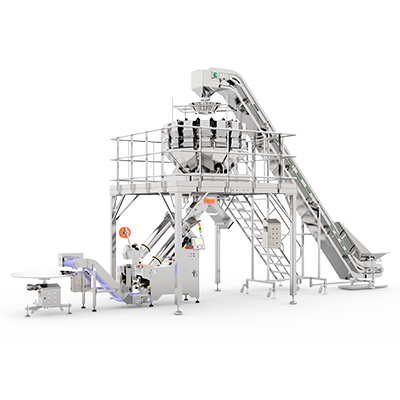
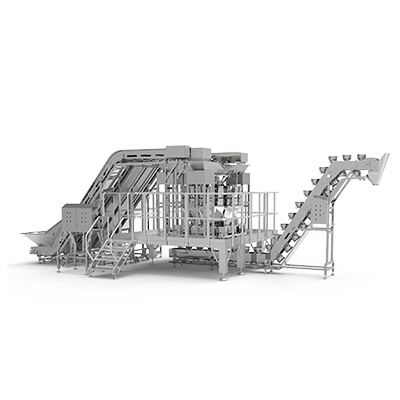
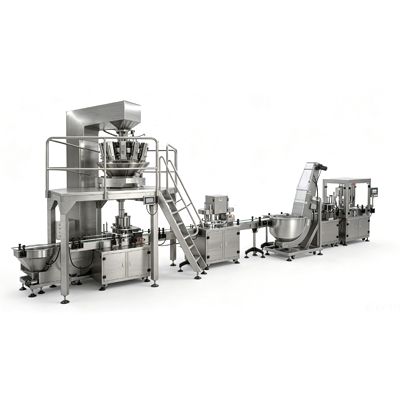
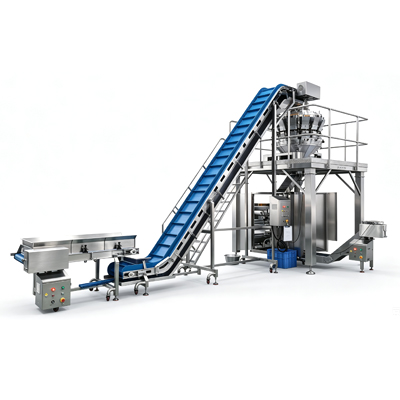
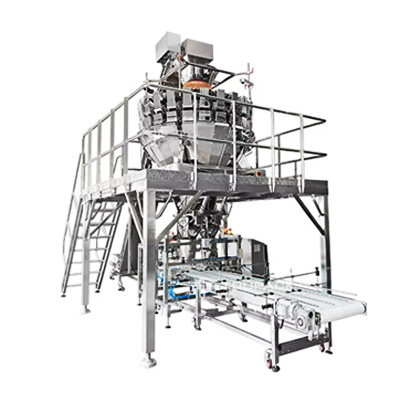
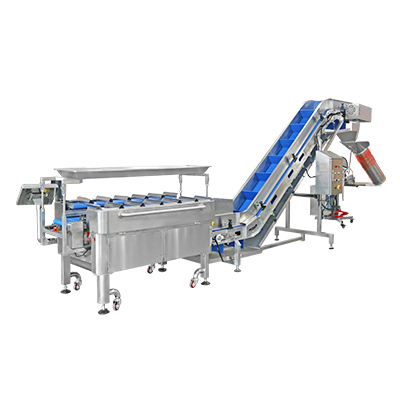
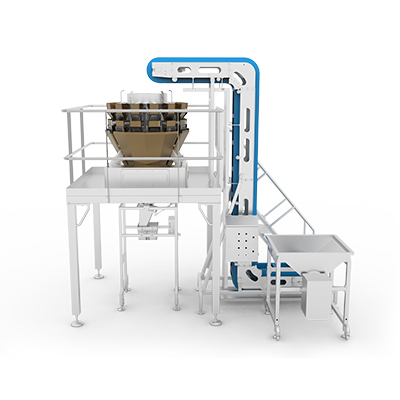
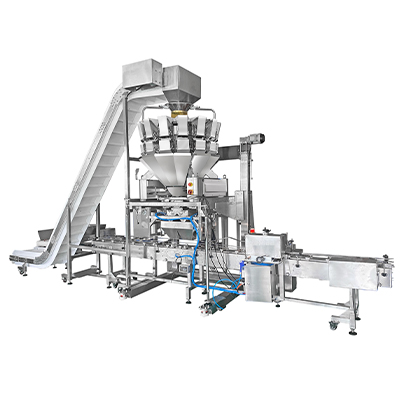
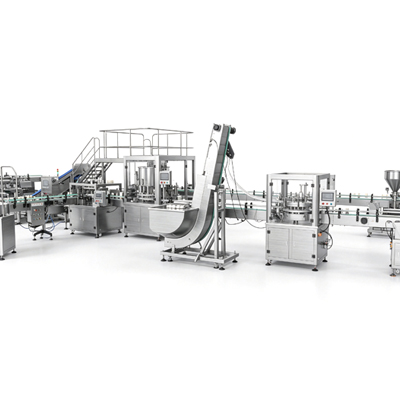
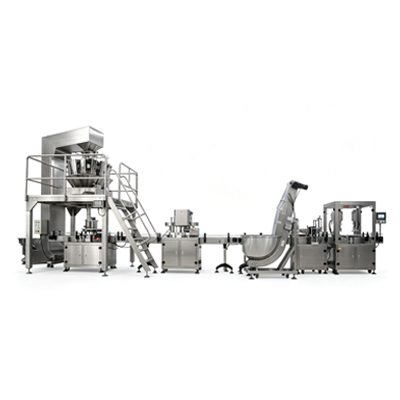
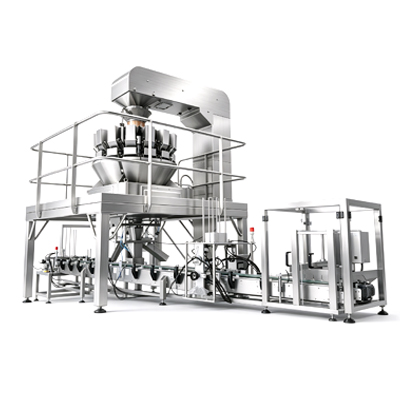
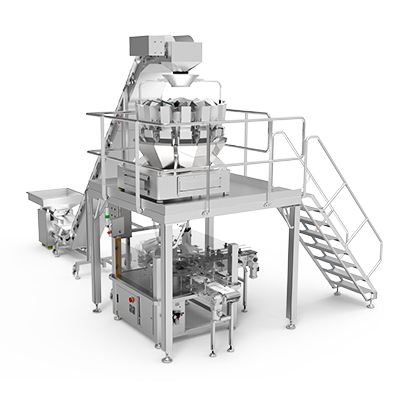
Operations managers, packaging engineers, and procurement directors constantly face heavy pressure to automate their production lines. Manual and semi-automatic bagging methods severely bottleneck throughput as production demands increase. Scaling operations successfully requires transitioning immediately to fully automated industrial solutions. However, selecting the wrong equipment often leads to excessive film waste, unacceptable production downtime, and compromised seal integrity. This operational reality makes rigorous technical evaluation absolutely critical before any purchase.
We provide an objective, engineering-grounded framework for evaluating a Vertical Form Fill Seal Machine. You will learn how to align facility realities and product characteristics directly to machine specifications. We also guide you through the critical implementation requirements necessary for seamless packaging line integration. Understanding these mechanical and systemic variables protects your capital investment. It ensures your facility achieves maximum packaging efficiency and minimal material waste.
Key Takeaways
VFFS machines consolidate forming, filling, and sealing into a single automated vertical footprint, significantly reducing manual labor and increasing Bags Per Minute (BPM).
Evaluating a VFFS solution requires balancing throughput speed with material compatibility, specifically matching sealing jaw technology to the chosen packaging film.
Total Cost of Ownership (TCO) extends beyond the initial capital expenditure; buyer evaluation must account for changeover times, maintenance availability, and sanitation compliance (e.g., washdown ratings).
The Engineering Mechanics: How a Vertical Form Fill Seal Machine Operates
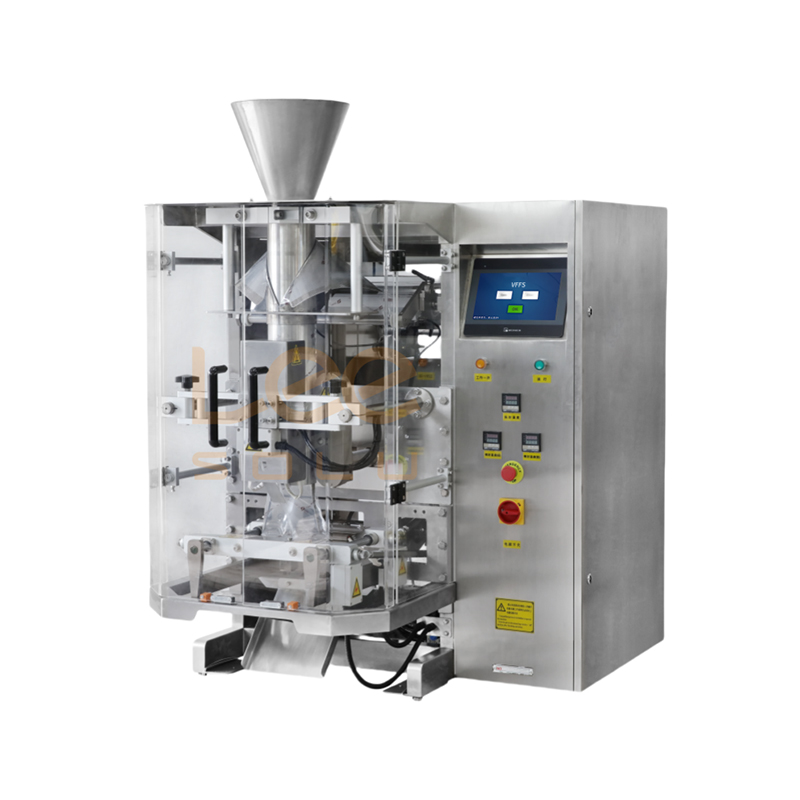
Establishing technical authority requires understanding the core mechanisms behind these systems. We must break down continuous and intermittent motion processes objectively. Intermittent motion systems pause the packaging film during the sealing phase. Continuous motion systems keep the film moving constantly while the sealing jaws travel alongside it. High-speed applications typically demand continuous motion architectures. Regardless of the motion type, every machine executes a sequence of highly synchronized physical operations.
Film Unwinding and Web Tracking
The process begins at the rear of the machine. A motorized spindle holds a large roll of packaging film. As the machine pulls the film, it travels through a series of tension-control rollers. We call this the dancer arm assembly. This mechanism maintains consistent tension across the entire web. Proper tension prevents the film from snapping or running slack. Automated web edge guides play a critical role here. Optical sensors monitor the film edge. If the film drifts laterally, the carriage physically shifts to realign it. This precision prevents massive material waste and ensures uniform bag dimensions.
Forming Tube Mechanics
The flat web of film travels upward and over the forming collar. This metal shoulder shapes the flat film into a continuous vertical tube. The geometry of the forming collar must match the exact dimensions of your bag. Engineers machine these collars to extreme tolerances. A poorly designed collar creates friction and wrinkles in the film. Wrinkles inevitably lead to micro-leaks in the final package. You must purchase custom forming tubes for each distinct bag width your facility produces.
Vertical and Horizontal Sealing
Once the film wraps around the tube, sealing mechanisms take over. The vertical seal creates the back seam of the bag. The horizontal jaws create the top seal of the finished bag and the bottom seal of the next bag simultaneously. You must match the sealing technology to your specific packaging material.
Constant Heat Sealing: This method works best for multi-layer laminated films. The sealing jaws maintain a constant, high temperature. They press the film layers together, melting the inner sealant layer.
Impulse Sealing: Mono-layer polyethylene (PE) films melt too easily under constant heat. Impulse sealing solves this. A specialized wire heats up rapidly for a fraction of a second. A dedicated cooling phase immediately follows while the jaws remain closed. This sets the seal without burning the plastic.
Jaw pressure, sealing dwell time, and temperature calibration dictate final seal integrity. Operators must balance these three variables perfectly.
Filling Synchronization
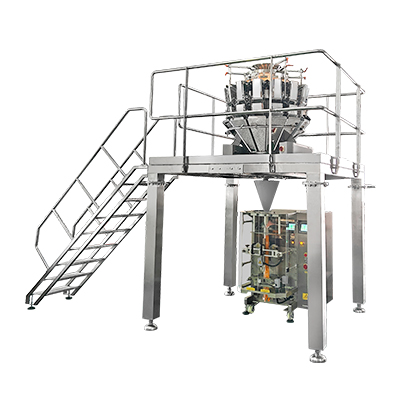
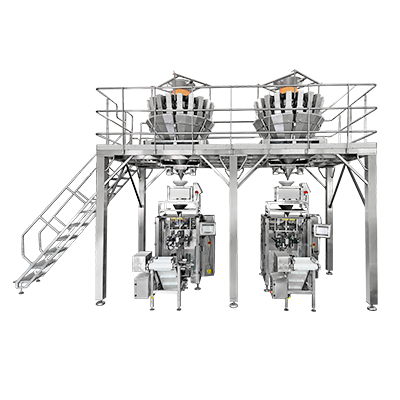
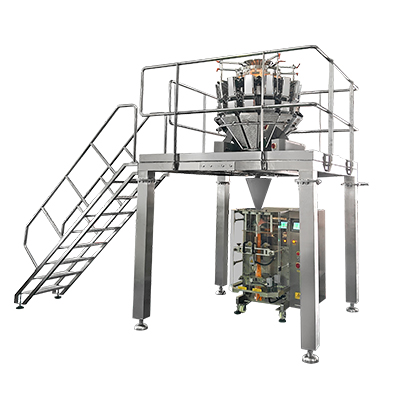
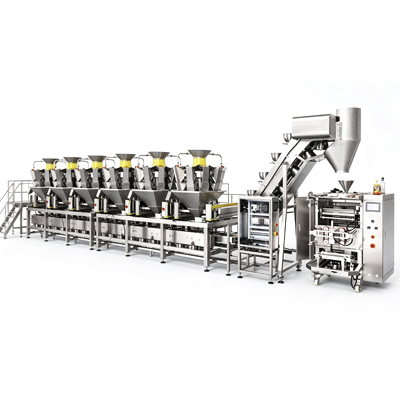
The bagging equipment does not operate in isolation. It requires critical integration with overhead dosing equipment. The Vertical Form Fill Seal Machine sends a handshake signal to the filler. The filler drops the exact product dose down through the hollow forming tube. The timing must be flawless. If the product drops too early, it catches in the horizontal seal. This creates a rejected bag and fouls the sealing jaws. Complex algorithms within the control system synchronize these rapid sequences.
Assessing Fit: Application Capabilities and Packaging Formats
Buyers must determine if their specific product maps properly to standard automated capabilities. Not all products behave similarly during a vertical gravity drop. You must select the correct filler integration and mechanical upgrades to handle your unique product consistency.
Product Consistency Matches
Different product behaviors dictate entirely different integration strategies. Matching your product to the right dosing equipment ensures accuracy and prevents operational disasters.
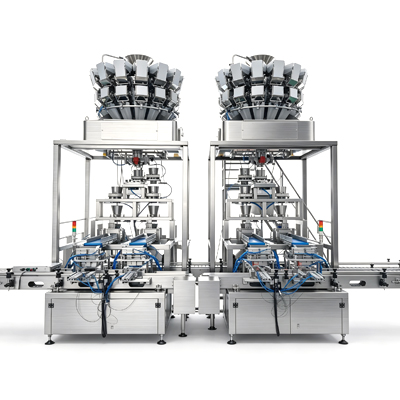
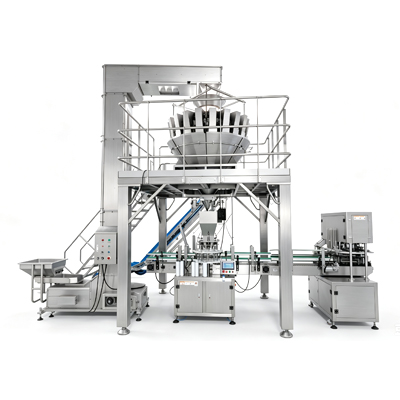
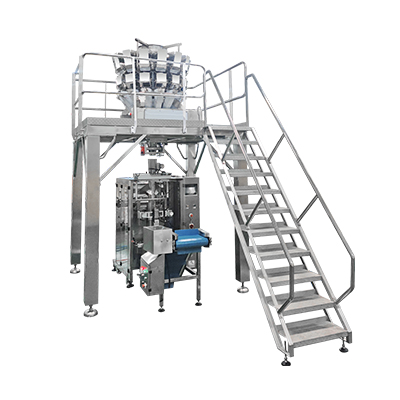
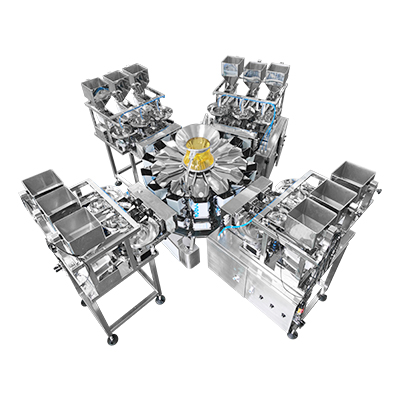
Free-flowing dry goods: Items like whole bean coffee, mixed nuts, and hard snacks fall predictably. These products pair perfectly with multi-head weighers. The scales calculate the exact weight and drop the product cleanly. You simply need robust deflectors to prevent product breakage upon impact.
Powders: Baking flour, spices, and whey protein powder behave erratically. They create massive airborne dust clouds during the drop. Dust coats the inner sealing area of the film. When the horizontal jaws clamp down over dust, the seal fails entirely. Powder applications require enclosed auger fillers. They also need dedicated vacuum extraction hoods to pull airborne particles away from the sealing zone.
Liquids and Viscous products: Sauces, gels, and purees present the highest degree of difficulty. They necessitate specialized positive displacement pump integration. Furthermore, the bagging machine requires rigorous squeeze-roller mechanisms. These rollers strip excess liquid downward out of the seal area right before the jaws close. This action prevents catastrophic seal contamination and leakage.
Application Category
Typical Product Examples
Required Dosing Integration
Primary Engineering Challenge
Free-flowing Dry
Coffee, nuts, snacks, candy
Multi-head scale
Product breakage prevention
Fine Powders
Flour, protein powder, spices
Auger filler with dust hood
Seal contamination from dust
Liquids & Viscous
Sauces, gels, purees, soups
Piston pump, squeeze rollers
Leakage and weight accuracy
Bag Style Limitations and Strengths
Standard machines easily produce traditional pillow bags. These simple bags feature top and bottom seals with one vertical back seam. However, marketing demands often require distinct packaging formats. Gusseted bags require mechanical tuckers to push the sides inward before sealing. Block-bottom bags require a flat-bottom assembly mechanism to shape the base. Quad-seal bags present the highest complexity. They require highly specialized forming tubes and four distinct vertical sealing assemblies. You must acknowledge the tooling changes required to switch between these formats. Moving from a pillow bag to a quad-seal bag takes significant changeover time and mechanical adjustment.
Evaluation Framework: Key Technical Specifications to Compare
Selecting the right equipment requires a strict, bottom-of-funnel buyer matrix. You must evaluate vendor specification sheets critically. Marketing brochures often highlight maximum theoretical speeds. You need to focus on operational realities and robust engineering standards.
Throughput (BPM) vs. Actual OEE
We strongly warn against buying purely based on maximum advertised speed. A vendor might claim a machine runs at 120 Bags Per Minute (BPM). However, your actual production speed relies on physics. Product drop-time acts as the ultimate speed limit. A light, airy snack takes longer to fall through the tube than a heavy metal fastener. Additionally, sealing thicker barrier films requires longer dwell times. You cannot rush heat transfer. Actual production speed requires balancing the machine cycle with product behavior. Focus on your Overall Equipment Effectiveness (OEE) rather than vanity metrics.
Changeover Agility
Modern production facilities rarely run a single SKU all year. You will change bag widths, film types, and product weights frequently. Changeover agility directly impacts your daily uptime. Frame tool-less changeover capabilities as a mandatory feature. Operators should not need wrenches to swap a forming tube. Furthermore, the control panel must feature recipe-saving Human-Machine Interfaces (HMIs). A good HMI stores hundreds of preset product recipes. When operators select a recipe, the machine automatically adjusts jaw temperatures, pull-belt speeds, and fill timings.
Compliance and Build Quality
Industrial environments destroy fragile equipment. You must scrutinize the build quality and environmental compliance ratings. Standard painted-steel builds work fine for dry hardware or secondary packaging. However, food-grade, dairy, or pharmaceutical applications mandate stainless steel construction. You must evaluate washdown ratings carefully. IP65 ratings handle low-pressure water jets. IP69K ratings withstand harsh, high-temperature, high-pressure chemical washdowns. If your sanitation crew uses aggressive cleaning protocols, an inadequate machine will suffer catastrophic electrical failures.
Proprietary vs. Off-the-Shelf Components
Buyers frequently overlook the internal control architecture. Evaluate the long-term risk of machines built with proprietary Programmable Logic Controllers (PLCs). Some manufacturers use custom-built control boards to lower the initial sticker price. Five years later, replacing a burnt-out proprietary board becomes impossible. Your line sits idle for weeks waiting for overseas shipments. We advise demanding open-market components. Specify global industry standards like Allen-Bradley, Siemens, or Omron. You can source these replacement parts from local distributors on the same day.
Implementation Risks and Rollout Considerations
Vendors often downplay the complexities of physical installation. Proving implementation experience requires highlighting common friction points. A Vertical Form Fill Seal Machine acts as the central hub of your packaging line. Installing it requires rigorous facility preparation and skilled personnel.
Facility Constraints
Physical prerequisites often derail installations before they begin. You must detail your facility constraints precisely.
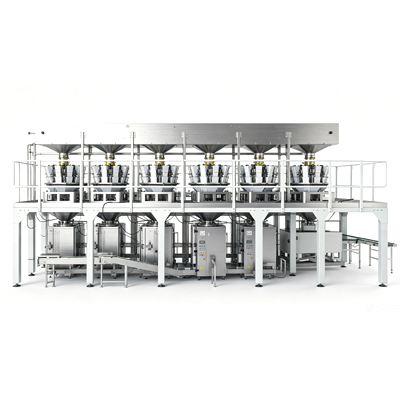
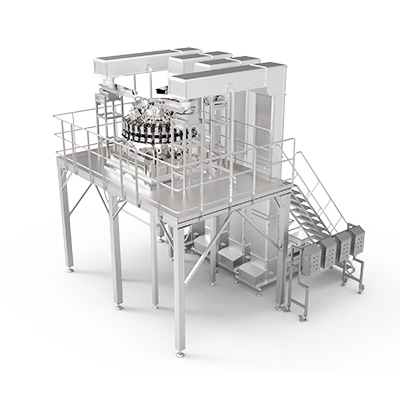
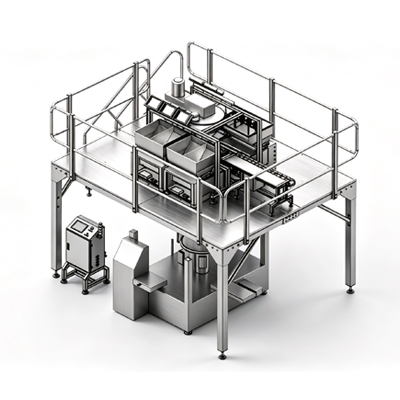
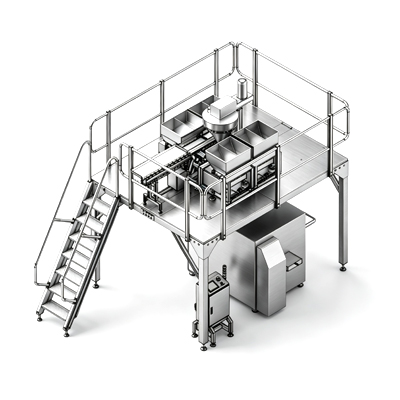
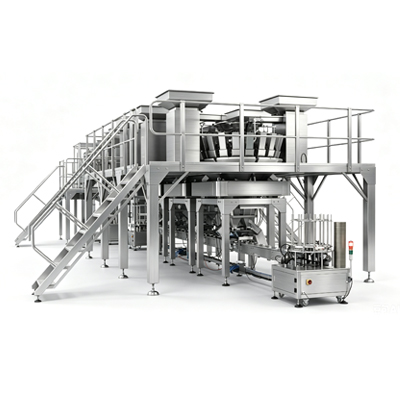
Vertical Clearance: Multi-head weighers sit directly above the bagging machine. The weigher usually rests on a heavy steel mezzanine. This entire vertical stack easily exceeds 14 feet in height. You must verify your ceiling clearance and overhead ductwork locations.
Floor Load Capacities: The combined dynamic weight of the machine, the mezzanine structure, and the dosing equipment creates massive point loads on your concrete floor. Verify your slab thickness can support this industrial equipment safely.
Consistent Compressed Air: Pneumatic cylinders drive many auxiliary actions on these machines. They require clean, dry, and highly consistent compressed air. If your facility experiences sudden PSI drops when other machines activate, your sealing jaws will fail to close fully.
Operator Training Curves
You must actively acknowledge the operator skill gap. Older, mechanically driven equipment allowed operators to fix issues with simple wrenches and physical timing belts. Running a modern, servo-driven machine requires distinct technical troubleshooting skills. It is not just a button-pushing job. Operators must navigate complex HMI screens, adjust digital timing offsets in milliseconds, and understand PID temperature loops. You must invest heavily in vendor-led training programs during the installation phase.
Integration with Existing Lines
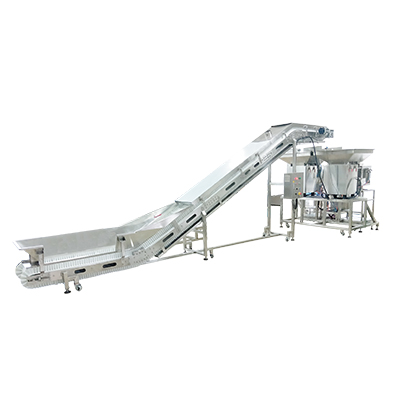
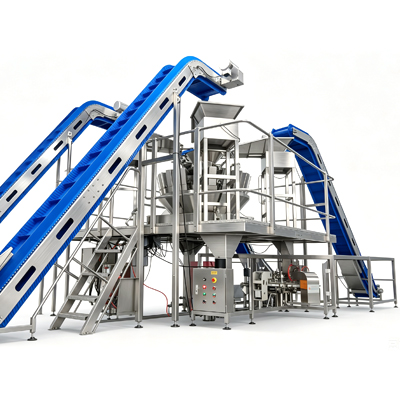
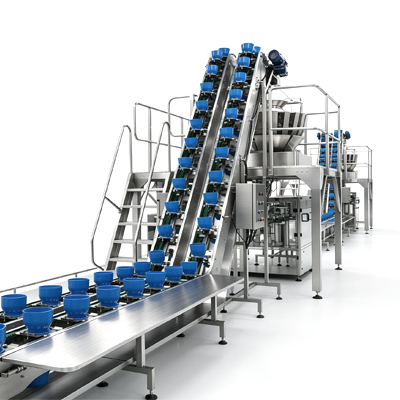
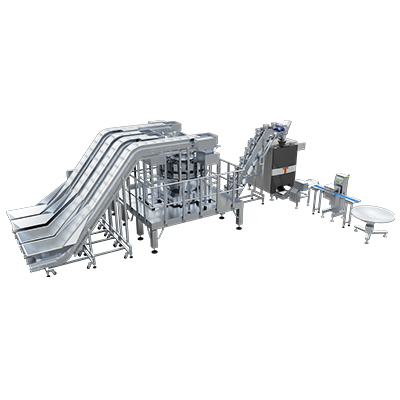
The packaging process does not end when the bag drops. You must address the complexities of tying the machine outfeed to downstream systems. A takeaway conveyor catches the finished bag. It then transports the bag to a dynamic checkweigher. The checkweigher rejects overfilled or underfilled bags. Next, the bag passes through a metal detector or X-ray inspection system. Finally, it reaches the automated case packer. All these distinct machines must communicate seamlessly. If the case packer jams, it must send a digital halt signal upstream to the bagger instantly. Complex network integration prevents massive pile-ups and product destruction.
Conclusion
Purchasing automated vertical bagging equipment represents a serious infrastructure investment, not a simple, standalone commodity purchase. You must match precise mechanical specifications with your unique product behaviors and facility constraints. Always prioritize robust build quality and accessible, non-proprietary control components to secure long-term operational stability.
We strongly advise buyers to demand a comprehensive Factory Acceptance Testing (FAT) protocol. You must ship your actual product and actual packaging film to the vendor facility. Never sign off on equipment delivery until you witness the machine running your specific SKUs at the promised speeds. Take immediate action by downloading a rigorous spec-sheet comparison template, or contact specialized engineering sales teams to conduct a thorough facility audit before drafting your purchase order.
FAQ
Q: What is the average lifespan of a Vertical Form Fill Seal Machine?
A: These machines typically last 10 to 15+ years in demanding industrial environments. Achieving this lifespan requires rigorous adherence to preventative maintenance schedules. You must also ensure the equipment utilizes non-proprietary, easily accessible replacement parts like global PLC brands.
Q: How much film waste is normal during VFFS changeovers?
A: Acceptable baseline film waste usually remains under 1 to 2 percent. Modern equipment significantly reduces material loss. Features like automatic film splicing, precise optical tracking sensors, and recipe-driven tension settings prevent large-scale run-off during roll changes.
Q: Can one VFFS machine run both paper and plastic films?
A: Yes, but it requires distinct mechanical setups. Laminated paper films need constant-heat sealing jaws. Mono-layer plastic films require impulse sealing technology. Switching between them demands significant temperature control adjustments and jaw configuration swaps, complicating quick changeovers.
Q: What is the difference between continuous and intermittent motion VFFS?
A: Intermittent motion machines pause the film briefly while the horizontal jaws close and seal the bag. They handle standard speeds excellently. Continuous motion machines keep the film moving constantly while sealing jaws travel downwards with the film, allowing for ultra-high-speed production.
Automated mesh bagging extends produce shelf life by providing vital airflow. Upgrading your line slashes labor costs, stops product giveaway, and maximizes daily output.
Dust-controlled powder fillers use vacuum extraction and servo-driven augers to package fine materials. These automated systems prevent waste, ensure safety, and maximize ROI.
Horizontal packaging machines use lateral movement to safely package solids, powders, and liquids. These systems ensure leak-proof seals, cut labor costs, and maximize your ROI.
It is a high-tech enterprise specializing in the R&D, design, and independent manufacturing of packaging, conveying, weight detection, weighing, and filling equipment.