Manufacturing facilities face a perfect storm of escalating labor costs and stringent sustainability mandates today. Plant operators desperately need higher throughput to remain competitive. Yet, they must achieve this growth within severely limited floor space. Traditional packaging methods simply cannot keep pace with these mounting daily pressures. Manual processes drain resources, while older semi-automated lines create frustrating production bottlenecks.
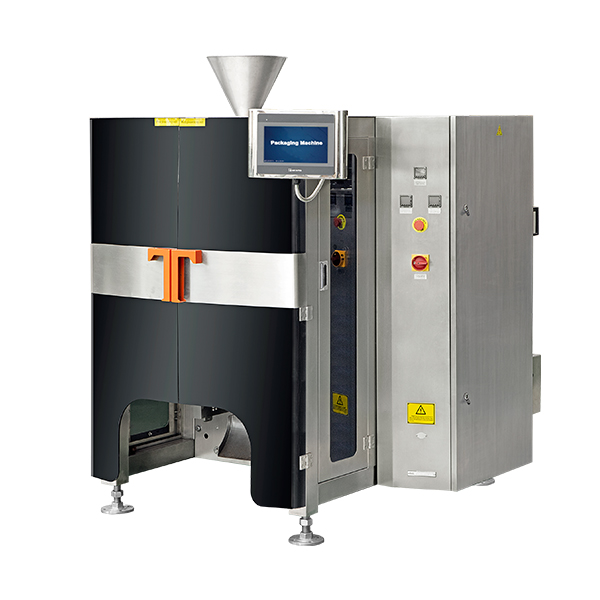
Enter the Vertical Form Fill Seal Machine as the definitive solution for high-volume automated packaging. It effectively moves production lines beyond basic, rigid mechanization. Instead, it introduces smart, data-driven operations capable of adapting to modern consumer demands. By utilizing continuous film rolls, these advanced systems fundamentally change how products get bagged on the factory floor.
This comprehensive guide provides operations leaders and facility managers with an evidence-based framework. You will learn how to properly evaluate, justify, and seamlessly implement this technology. We will explore core mechanical evaluation criteria, compare packaging alternatives, and mitigate common adoption risks for your specific production line.
Key Takeaways
CapEx vs. OpEx: VFFS systems require higher initial capital expenditure but drastically lower the per-unit packaging cost compared to pre-made pouch alternatives.
Operational Efficiency: Modern servo-driven VFFS units improve Overall Equipment Effectiveness (OEE) through automated changeovers, reduced film waste, and continuous-motion capabilities.
Decision Criteria: Selecting the right machine hinges on product characteristics (fragility, density), facility constraints (vertical clearance, sanitation requirements), and film compatibility (especially when adopting sustainable/monomaterial films).
Implementation Reality: Success depends heavily on upstream integration (scales, augers) and rigorous operator training to mitigate downtime during product changeovers.
The Business Case: Why Operations Are Shifting to VFFS Technology
Operations teams constantly seek ways to do more using fewer resources. Transitioning to automated roll-stock forming addresses the most critical operational pain points directly. It shifts the focus from managing manual labor to optimizing machine output.
Labor Reallocation
Manual or semi-automated bagging drains facility resources quickly. Operators must manually open, fill, and seal individual bags. This process relies heavily on scarce manual labor. It also introduces human error and inconsistent seal quality. A Vertical Form Fill Seal Machine completely automates this workflow. It takes flat roll-stock film, forms it into a tube, fills it, and seals it in one fluid motion.
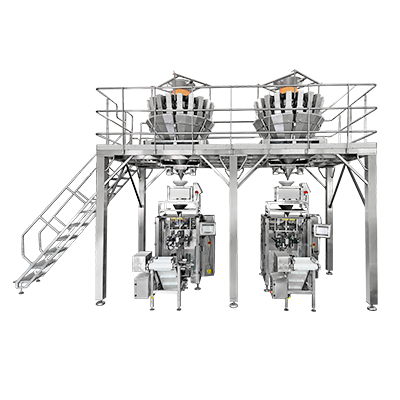
By fully automating this process, facilities drastically reduce their dependency on manual labor. You can reallocate workers to higher-value tasks like quality assurance or machine maintenance. One trained operator can easily oversee multiple automated machines simultaneously. This reallocation immediately boosts your overall production capacity per employee.
Floor Space Optimization
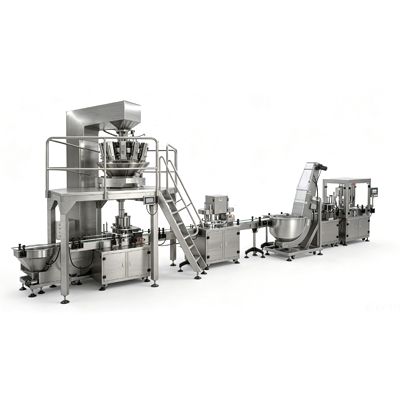
Industrial real estate remains incredibly expensive. Facility managers struggle to fit expanding production needs into existing footprints. Horizontal packaging lines demand massive amounts of linear floor space. They require long conveyors to move pouches through different filling and sealing stations. In highly constrained facilities, horizontal expansion is often impossible.
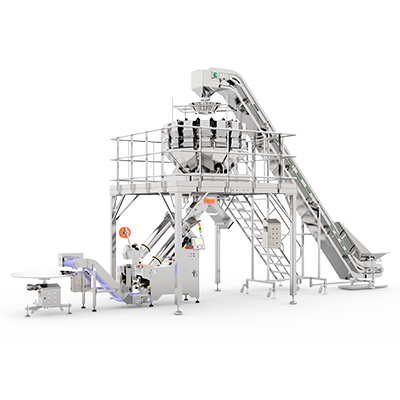
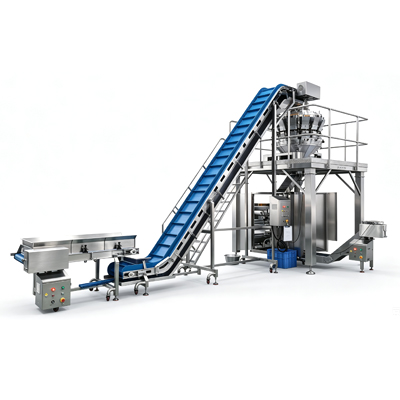
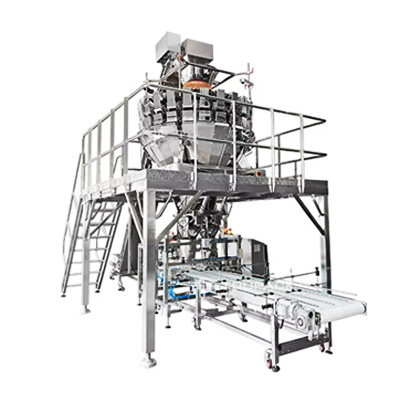
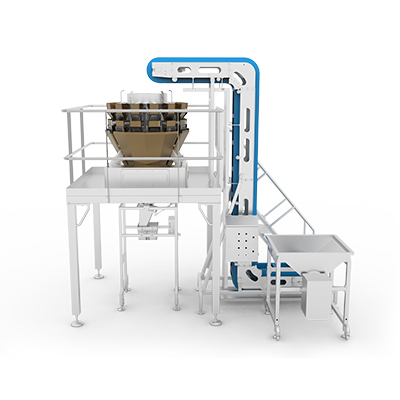
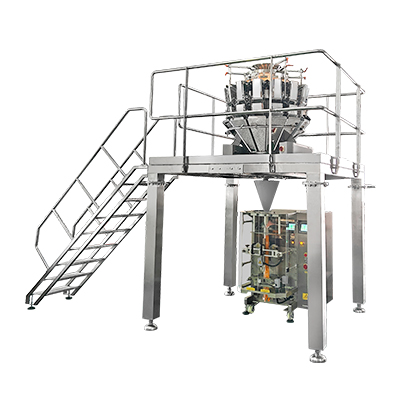
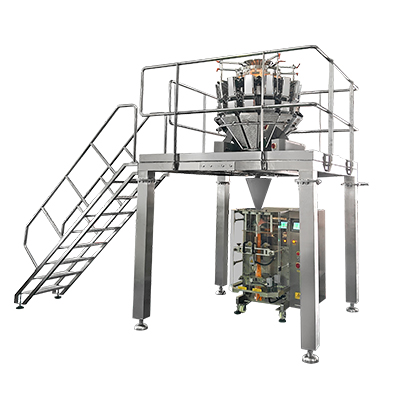
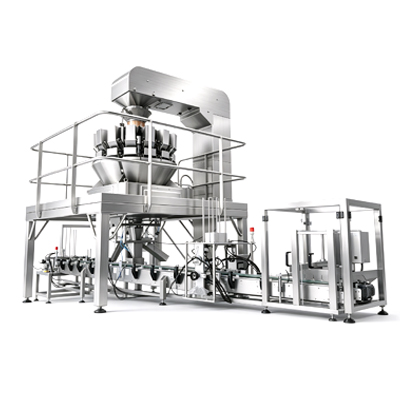
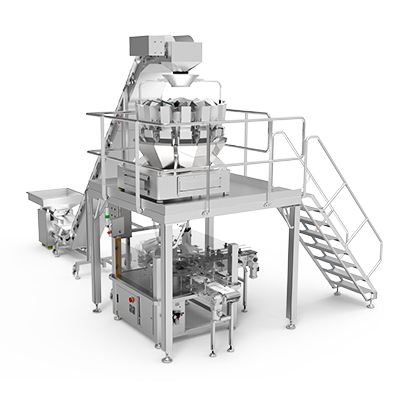
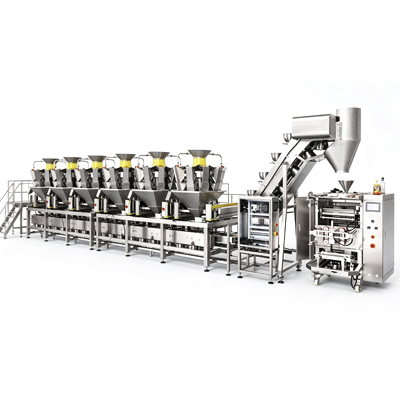
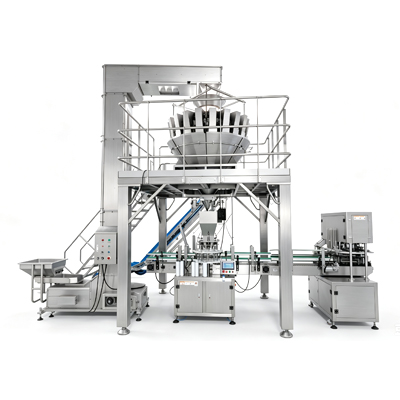
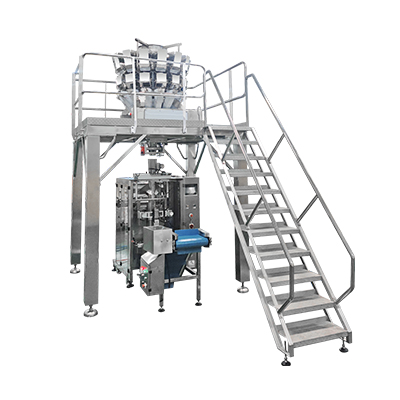
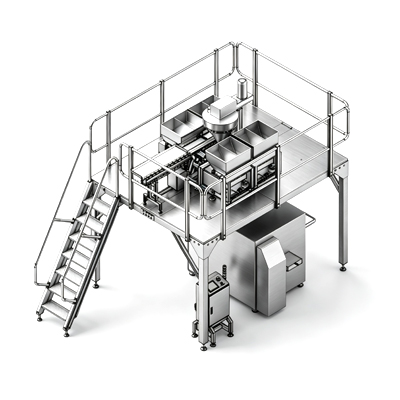
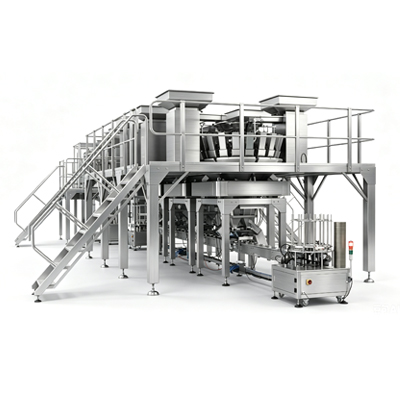
Vertical systems solve this spatial dilemma elegantly. They leverage unused vertical clearance instead of horizontal square footage. The product drops from overhead weighers directly into the forming tube below. This gravity-fed design shrinks the machine's footprint dramatically. You can fit three vertical units in the exact same space required by one horizontal line. This spatial efficiency maximizes the revenue potential of every square foot.
Material Cost Reduction
The choice between buying roll-stock film and pre-made pouches impacts long-term profitability heavily. Pre-made pouches carry a significant premium. You pay the supplier for the material, the forming process, and the shipping of empty air. When you scale production, these small premiums multiply rapidly.
Purchasing raw roll-stock film presents a massive economic advantage. You only pay for the raw packaging material itself. The machine handles the forming process on your floor. While initial equipment costs are higher, the long-term operational savings are profound. High-volume producers often see their per-unit packaging costs drop by over thirty percent. Over several years, this material cost reduction single-handedly justifies the equipment investment.
Core Evaluation Criteria for a Vertical Form Fill Seal Machine
Evaluating packaging equipment requires mapping technical features to your specific business outcomes. You cannot buy a generic machine and expect optimal results. You must scrutinize motion types, actuation methods, and sanitary compliance ratings carefully.
Motion Types: Intermittent vs. Continuous
The way the film moves through the machine dictates your throughput and seal integrity. Manufacturers must choose between intermittent and continuous motion systems.
Intermittent Motion: The film stops moving for a fraction of a second while the sealing jaws close. This pause provides a longer seal dwell time. It is absolutely essential for heavy products, dense items, or liquids. If you package five-pound bags of flour or liquid sauces, you need intermittent motion to guarantee seal strength.
Continuous Motion: The film never stops moving. The sealing jaws travel downward alongside the film as they seal it. This motion requires highly synchronized mechanical action. It is mandatory for high-speed lightweight snack or granular packaging. If you need to hit over one hundred bags per minute for potato chips, continuous motion is your only viable option.
Common Mistake: Choosing intermittent motion for lightweight snacks severely throttles your maximum units per minute. Always match the motion type to the product weight and target speed.
Actuation: Servo-Driven vs. Pneumatic
Actuation determines how the machine's moving parts receive power. Pneumatic systems rely on compressed air to open and close jaws. They offer a lower upfront cost and are generally easy to understand. However, they lack precise control. Air pressure fluctuates, which can lead to inconsistent sealing tension. They also require robust air compressors and regular maintenance to prevent airline leaks.
We highly recommend evaluating servo motors for modern operations. Servo-driven units use precise electrical motors to control every movement. They provide pinpoint tension control on the film web. This precision prevents stretching, snapping, or tracking errors. Servo motors boast exceptional longevity and require far less daily maintenance. While they cost more initially, their reliability and speed make them superior for data-driven operations.
Compliance and Washdown Ratings
Operating in food, pharmaceutical, or chemical sectors requires strict adherence to hygiene standards. You must evaluate the Ingress Protection (IP) ratings of any prospective machine.
Standard environments might only require an IP65 rating. This protects against dust and low-pressure water jets. However, raw meat, dairy, or chemical lines demand an IP69K rating. IP69K equipment withstands high-pressure, high-temperature washdowns. You should also demand specific sanitary design elements. Look for sloped surfaces where water cannot pool. Ensure the frame uses high-grade stainless steel to prevent corrosion. Proper washdown ratings prevent catastrophic contamination events.
VFFS vs. Pre-Made Pouch Machines: Making the Right Call
Choosing between vertical forming and pre-made pouch handling is a critical crossroads. Both systems have distinct advantages. Facility managers must apply strict shortlisting logic to make the right call.
Volume Thresholds
The decision often comes down to raw production volume. Pre-made pouch machines excel in low-volume, high-mix environments. If you only package a few thousand units monthly, the cost of pre-made pouches remains manageable. You avoid the higher capital expense of a fully automated forming system.
However, there is a distinct mathematical tipping point. Once your production scales past standard thresholds—often around fifty thousand units per month—a Vertical Form Fill Seal Machine becomes financially viable. At this volume, the savings on raw roll-stock film outpace the equipment depreciation. High-volume operations bleed money if they continue buying pre-made pouches.
Aesthetic Flexibility
Marketers often champion pre-made pouches for their aesthetic appeal. Pre-made suppliers can create complex premium shapes, intricate die-cuts, and unique spout placements. Historically, vertical machines struggled to match this premium look.
Today, modern forming technology has closed this gap considerably. Advanced forming tubes can easily achieve high-quality flat-bottom bags, gusseted pouches, and sharp quad-seal designs. You can integrate zipper applicators and tear notches directly on the roll-stock. While extreme custom shapes still require pre-made pouches, a modern vertical setup easily handles ninety percent of premium retail packaging demands.
Changeover Agility
Production schedules change rapidly. You might run small one-pound bags in the morning and transition to bulk five-pound bags in the afternoon. Changeover agility dictates your machine's true profitability.
Feature
Pre-Made Pouch Machine
Vertical Form Fill Seal Machine
Material Type
Individual pre-formed empty bags
Continuous flat roll-stock film
Changeover Process
Adjusting mechanical grippers and magazines
Swapping forming tubes and threading new film
Changeover Speed
Relatively fast for width adjustments (5-10 mins)
Requires 15-30 mins depending on tool-less features
Speed Ceiling
Generally slower (constrained by gripper speed)
Exceptionally high (continuous motion capable)
As shown above, swapping out a forming tube and threading a new film roll takes slightly longer than adjusting mechanical grippers. However, many modern vertical systems now feature tool-less changeovers. Operators can swap forming sets without wrenches, bringing changeover times down to fifteen minutes. You must weigh the slightly longer setup time against the drastically higher running speeds.
Buying the equipment is only the first step. Actual implementation uncovers hidden challenges on the factory floor. Operations leaders must rely on experience-driven insights to mitigate these rollout risks effectively.
The Upstream Bottleneck
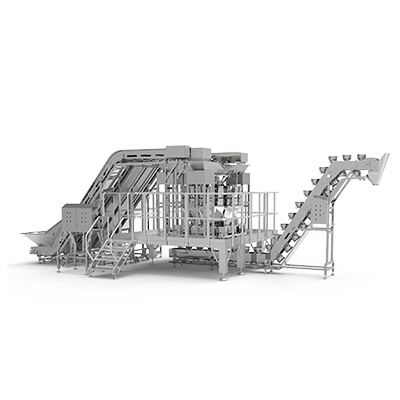
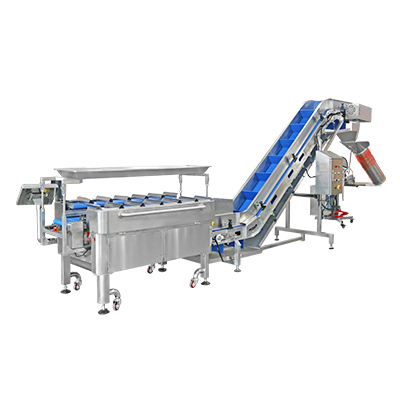
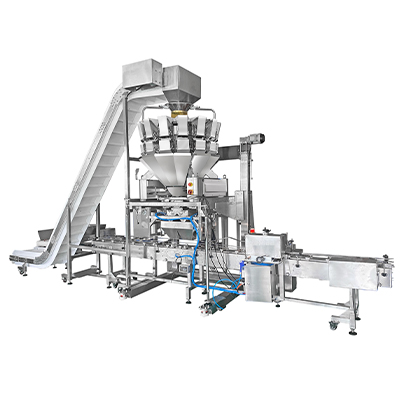
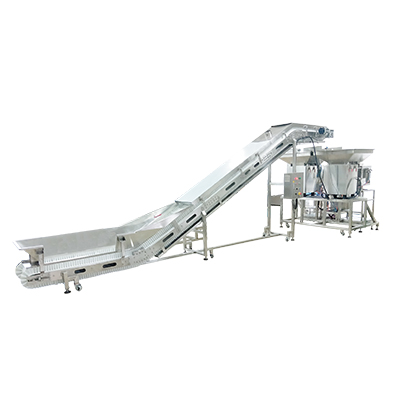
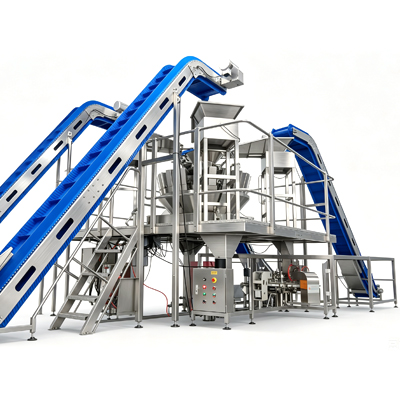
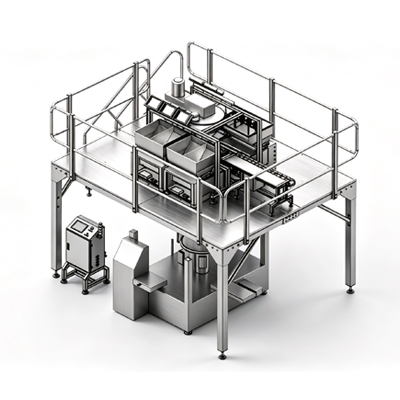
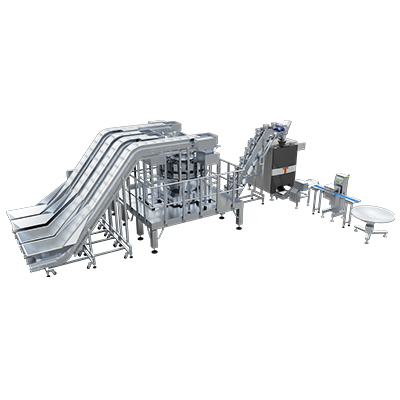
A packaging machine never operates in a vacuum. A Vertical Form Fill Seal Machine is only exactly as fast as its integrated dosing equipment. It cannot seal bags faster than the product falls into the tube. Upstream integration is absolutely critical for success.
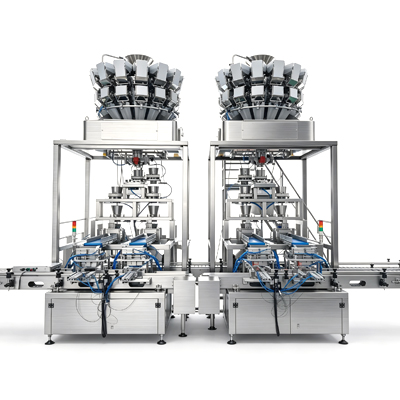
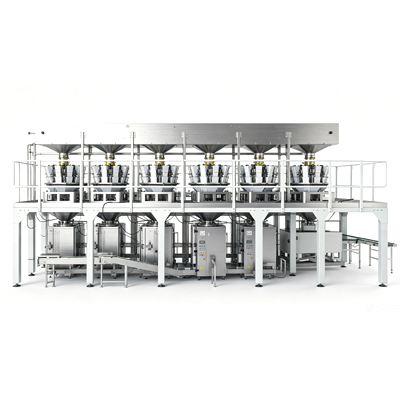
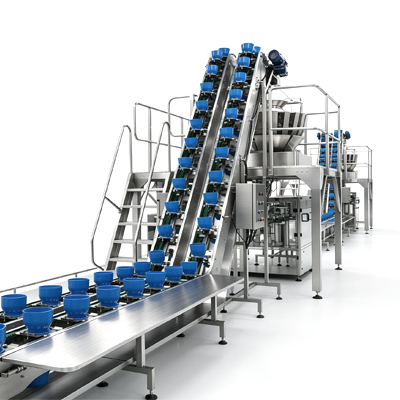
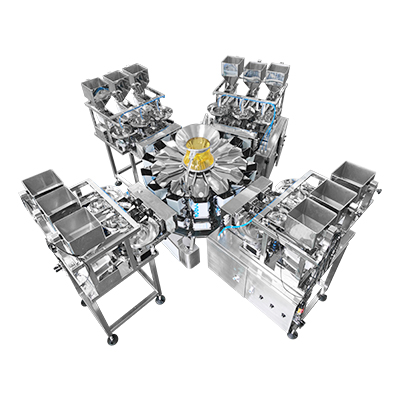
Granular Products: You must integrate highly accurate multi-head weighers. If the weigher takes too long to calculate the perfect drop weight, the bagger sits idle.
Powders: Auger fillers must be perfectly timed to prevent dust clouds. Dust interferes with the sealing jaws and ruins bag integrity.
Liquids: Positive displacement liquid pumps must stroke in perfect harmony with the intermittent jaw closure.
Best Practice: Always purchase the dosing equipment and the bagging machine from a unified vendor, or demand an integrated Factory Acceptance Test (FAT) before shipment.
Film Compatibility Challenges
Sustainability mandates force many brands to abandon traditional laminated films. The shift toward sustainable, recyclable, or monomaterial films creates massive friction during implementation. Traditional plastic laminates melt predictably and seal easily. Monomaterials behave entirely differently.
These sustainable films possess very narrow sealing temperature windows. If the jaws are two degrees too hot, the film burns through. If they are two degrees too cold, the bag leaks. Adopting these films often requires specialized sealing jaws. You may need specific heat-profile controllers or ultrasonic sealing technology. Ultrasonic sealing uses high-frequency friction instead of direct heat. It creates perfect seals through product crumbs or liquid droplets without burning sensitive eco-films.
Operator Adoption and Training
The most advanced machine will fail if the operator cannot run it. Facility managers frequently underestimate the human element of automation. Complex interfaces intimidate new workers, leading to frequent micro-stops and setup errors.
Highlight the necessity of HMI (Human-Machine Interface) usability during the purchasing phase. The touch screens must be intuitive, highly visual, and available in multiple languages. Furthermore, you must establish standardized training protocols. Operators need hands-on practice threading the film web, aligning the print registration sensors, and executing safe knife replacements. Rigorous training prevents small errors from compounding into hours of unplanned downtime.
Conclusion
A Vertical Form Fill Seal Machine remains a transformative, high-yield investment for any facility scaling standard packaging formats. It effectively eliminates manual bagging bottlenecks, reclaims valuable floor space, and drastically slashes per-unit material costs. While the technical learning curve exists, the long-term operational efficiency heavily outweighs the initial hurdles.
When selecting your next system, prioritize vendors who offer comprehensive pre-purchase film testing. You should also demand transparent OEE guarantees and robust local aftermarket support. A cheap machine becomes incredibly expensive when you cannot source spare parts locally.
Your immediate next steps should be entirely data-driven. Audit your current per-bag material costs. Compare those numbers against current roll-stock market prices. Finally, reach out to an established equipment vendor to request a custom throughput analysis or a live film trial for your specific product.
FAQ
Q: What is the average lifespan of a commercial VFFS machine?
A: With proper preventative maintenance, industrial VFFS systems typically operate reliably for 10 to 15+ years. Servo-driven models tend to last longer than pneumatic versions because they experience less harsh mechanical shock. Regular replacement of wear parts like pulling belts, cutting knives, and sealing bands is essential to maximize this lifespan.
Q: Can a Vertical Form Fill Seal Machine handle eco-friendly or compostable films?
A: Yes, they can handle eco-friendly options. However, compostable and monomaterial films have much narrower sealing temperature windows. To prevent burn-through or weak seals, these machines often require upgraded sealing jaw technology, precise temperature controllers, or ultrasonic sealing options.
Q: How long does a typical product or film changeover take?
A: A realistic benchmark for a skilled operator is 15 to 30 minutes. This includes changing the forming tube assembly, threading a new roll of stock film, and adjusting sensor registrations. Machines featuring modern tool-less changeover designs can frequently hit the lower end of that timeframe.
Q: What types of products are not suitable for VFFS?
A: Highly fragile products that cannot withstand a vertical gravity drop are generally unsuitable. Additionally, heavily asymmetrical items that require precise, deliberate orientation inside the package usually perform better on horizontal robotic packaging lines rather than gravity-fed vertical systems.
Automated mesh bagging extends produce shelf life by providing vital airflow. Upgrading your line slashes labor costs, stops product giveaway, and maximizes daily output.
Dust-controlled powder fillers use vacuum extraction and servo-driven augers to package fine materials. These automated systems prevent waste, ensure safety, and maximize ROI.
Horizontal packaging machines use lateral movement to safely package solids, powders, and liquids. These systems ensure leak-proof seals, cut labor costs, and maximize your ROI.
It is a high-tech enterprise specializing in the R&D, design, and independent manufacturing of packaging, conveying, weight detection, weighing, and filling equipment.