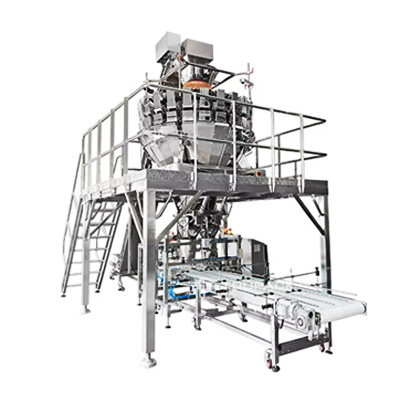
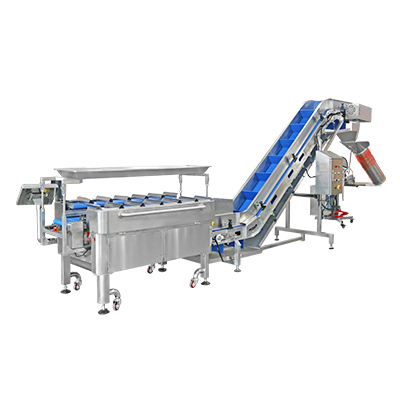
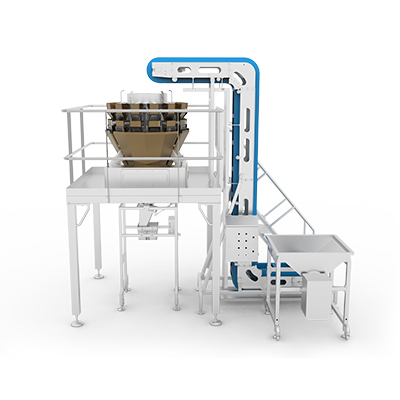
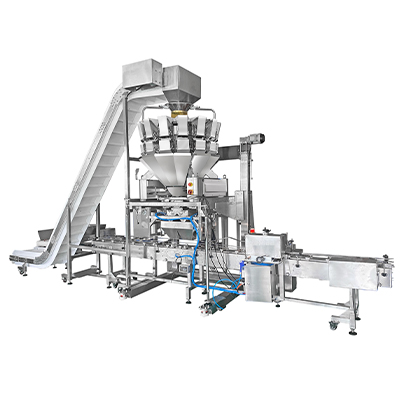
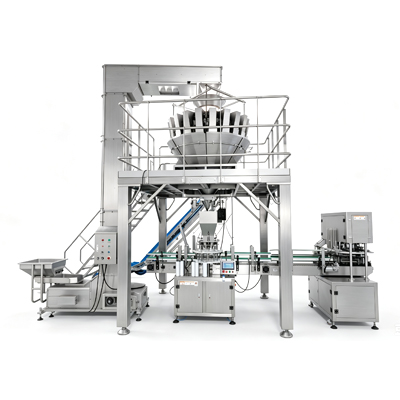
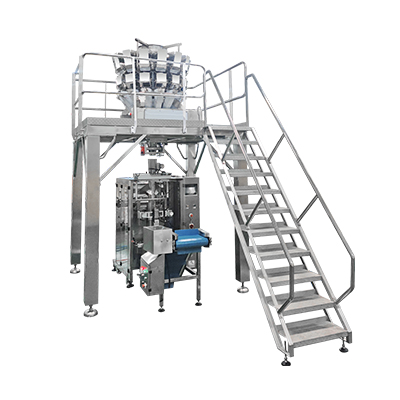
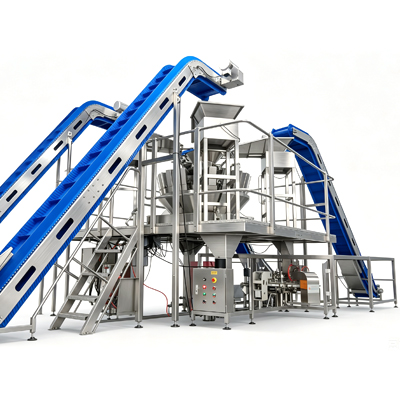
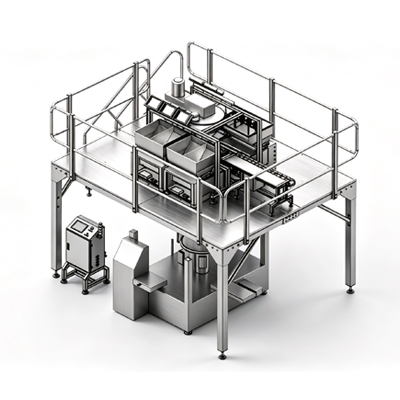
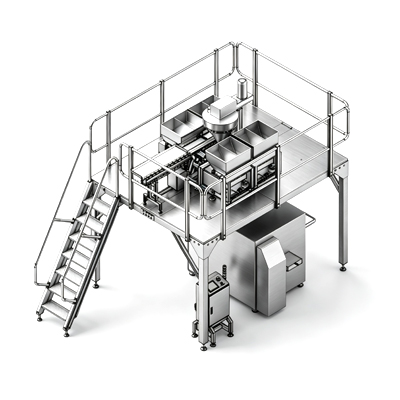
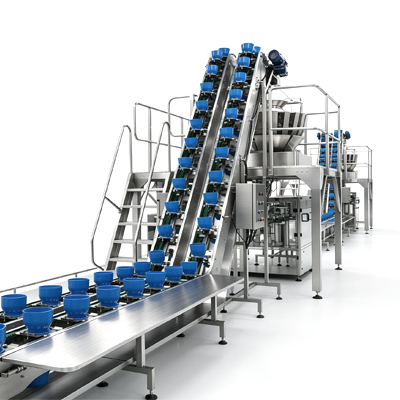
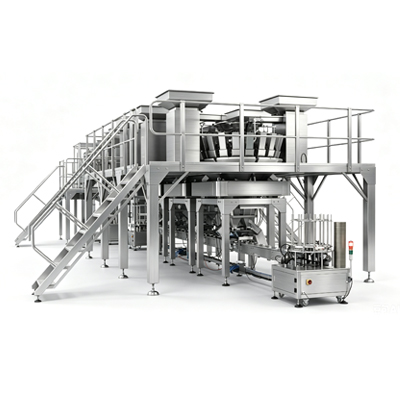
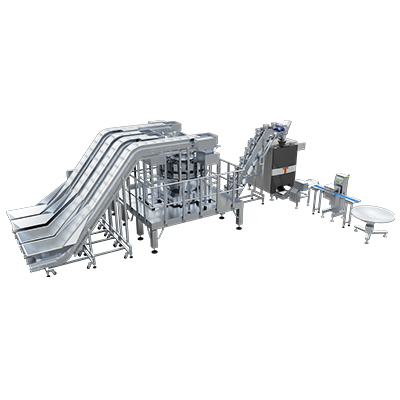
In bulk material handling and packaging, the margin between profitable throughput and costly product giveaway is dictated by weighing precision. Facilities handling varying bulk densities struggle to balance target weight accuracy with required production speeds. Overfilling erodes margins rapidly on the packaging line. Underfilling triggers compliance violations, rework, and quality control failures. You need equipment that hits the exact target weight every single cycle. Selecting the correct dosing and weighing system requires a strict understanding of gravimetric mechanics. This guide breaks down the operational sequence of a linear weigher, material-specific configurations, and the technical criteria necessary to evaluate its viability for your production line. We cover the mechanical realities of moving product from the bulk hopper to the discharge chute. You will learn how to configure pans for specific flow characteristics and mitigate environmental interference on the factory floor.
Gravimetric Precision: Linear weighers utilize a two-stage vibratory feeding process (coarse and fine) paired with strain-gauge load cells to achieve precise target weights prior to discharge.
Material Dependency: System configuration must be heavily modified based on material behavior; a granule linear weigher relies on standard vibratory pans, while powder applications require dust enclosures and specialized flow aids to prevent bridging.
Architectural Trade-offs: While highly economical and ideal for fragile, irregularly shaped, or uniform products, straight-line scales typically offer lower throughput speeds compared to circular multihead (combination) weighers.
Integration Risks: Accurate measurement is highly susceptible to environmental factors; successful implementation requires mitigating external plant vibrations, managing airflow, and ensuring strict calibration protocols.
The Core Mechanics: How a Linear Weigher Operates
To evaluate equipment reliability, engineering teams must first understand sequential mechanics. You need to know exactly how bulk material is isolated, measured, and verified. A Linear Weigher relies on synchronized components to achieve target weights. Each phase of the cycle directly impacts the final accuracy of the package. We will look at the exact path the material takes from the moment it enters the system until it drops into the packaging receptacle.
Bulk Infeed and Product Distribution
Material enters the system through the top bulk hopper. Maintaining a consistent head load inside this hopper is mandatory. Erratic material volume causes inconsistent pressure on the lower feeding mechanisms. This pressure variation leads to unpredictable flow rates across the vibratory pans. Operators often install level sensors inside the bulk hopper. These sensors trigger upstream conveyors to refill the hopper automatically, keeping the head load within a tight tolerance window.
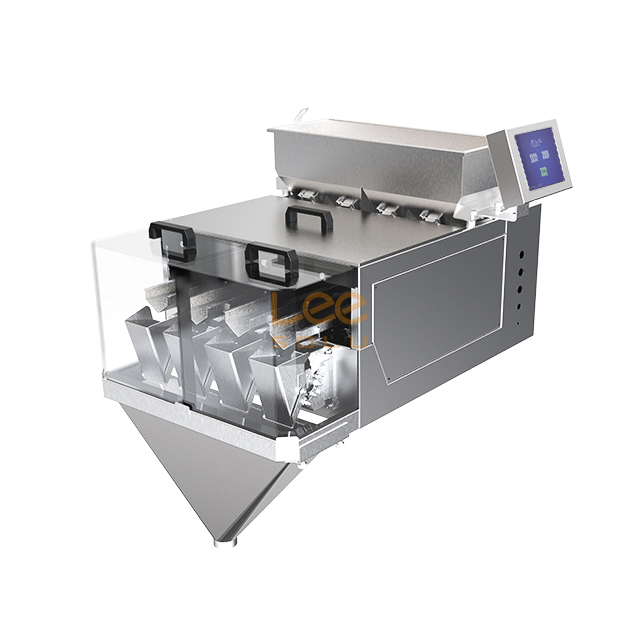
Material transitions from the bulk hopper to the vibratory feeder pans. These pans utilize electromagnetic drives to move the product forward. The system employs a dual-stage feeding approach to balance speed and precision.
Coarse Feed (Bulk): The vibratory pans operate at high amplitude. They rapidly move the majority of the target weight into the weigh bucket. This phase typically handles 80 to 90 percent of the total required mass. Speed is the primary objective here. The electromagnetic coils pulse heavily, throwing the product forward in a continuous stream.
Fine Feed (Dribble): The vibration amplitude drops significantly as the weight approaches the target. The pans slow down to drop individual granules or small powder volumes. This prevents overshooting the target weight. Precision dictates this final phase. The control system monitors the load cell output and cuts the power to the vibratory drive the millisecond the target is reached.
Weigh Hoppers, Load Cell Integration, and Gain-in-Weight Dosing
Straight-line scales operate on a gain-in-weight gravimetric principle. They measure the accumulation of mass directly inside the weigh bucket. This contrasts with loss-in-weight systems that measure material leaving a continuous feeder.
Strain-gauge load cells form the foundation of this measurement. These sensors convert the mechanical force of the material into an electrical signal. As material fills the hopper, the metal body of the load cell deforms slightly. This deformation changes the electrical resistance within the internal Wheatstone bridge circuit. The change in resistance alters the output voltage, which correlates directly to the mass of the product.
The PLC sends an excitation voltage to the load cell. As the strain gauge deforms, it returns a millivolt signal proportional to the weight. Shielded cables are mandatory here to prevent electromagnetic interference from nearby motors from corrupting this low-voltage signal. The load cell continuously transmits this weight data to the control system. This real-time measurement is highly critical during the dribble feed phase. The system must know exactly when to cut off the vibratory feed. High-quality load cells provide high-resolution feedback, often measuring down to fractions of a gram.
Settling time represents a micro-second delay built into the cycle. The load cell requires a brief moment to stabilize after the final product drops. Mechanical vibration from the falling product causes the load cell signal to bounce. The system must wait for this signal to flatten out. It must register an accurate reading before signaling the discharge gate to open. Insufficient settling time causes erratic weight recordings and inconsistent package weights.
Control Systems and Target Weight Verification
An integrated Programmable Logic Controller manages the entire operation. The PLC processes the real-time load cell data continuously. It compares incoming electrical signals against preset target weights. It also monitors acceptable tolerance bands defined by the operator. If a weighment falls outside the acceptable upper or lower limits, the PLC can flag the batch for rejection.
Automatic taring and calibration are non-negotiable features. The PLC must account for material buildup on the hopper walls. Dust, oils, and sticky residues accumulate over multiple cycles. The system automatically resets the zero point between drops. This ensures the load cell only measures new product entering the bucket. Without auto-tare, the accumulated residue would artificially inflate the weight reading, leading to underfilled packages.
Granules vs. Powders: Material Handling Differences
A standard weighing machine cannot process all bulk materials equally. The physical properties of the product dictate the mechanical configuration. You must adapt the equipment to match the flow characteristics of your specific material. Granules and powders behave entirely differently under vibration and gravity.
Configuring a Granule Linear Weigher for Uniform and Irregular Shapes
Uniform, free-flowing materials like rice, seeds, and plastic pellets move predictably. They require standard flat vibratory pans. The coarse and fine feed cycles operate efficiently without complex flow aids. A dedicated granule linear weigher handles these products with high repeatability. The angle of repose for these materials is low, meaning they flatten out easily and flow smoothly off the end of the pan.
Irregularly shaped products present different challenges. Chunky foods, specific plastic additives, and large aggregates often jam in volumetric cups. Straight-line scales are uniquely suited for these items. The open vibratory pans allow irregular shapes to untangle and flow freely into the weigh bucket. You do not have to worry about product getting crushed in an auger screw or jammed in a rotary valve.
Surface treatments prevent sticky or moist granules from adhering to the equipment. Engineers utilize dimpled or textured pans and hoppers. This reduces the surface contact area between the product and the metal. Less contact area means less friction and adhesion. For highly cohesive products like gummy candies or marinated meats, Teflon coatings provide an additional layer of slip.
Discharge velocity also matters for granular products. Granule weighers utilize steeper discharge chutes. This maintains product momentum as it falls into the packaging receptacle. Fast discharge prevents bottlenecks and keeps the production line moving. If the chute angle is too shallow, the product will drag, extending the cycle time and potentially causing the next drop to collide with the trailing edge of the previous drop.
Adapting for Flours, Powders, and Semi-Powders
Powders, flours, and semi-powders introduce complex flowability challenges. They behave differently under pressure and vibration. Aeration causes powders to flush uncontrollably. When air gets trapped between powder particles, the material acts like a liquid and floods out of the hopper. Conversely, rat-holing and bridging block material flow entirely inside the bulk hopper. The powder compacts under its own weight, forming a solid arch over the discharge opening.
Dust control is mandatory for powder applications. Airborne particulates pose severe risks to mechanical components and plant personnel. You must utilize enclosed weigh buckets and dust extraction ports. Sealed load cell housings prevent particulate ingress from destroying sensitive electronics. Dust accumulation on the load cell flexure alters its mechanical properties, destroying measurement accuracy.
Agitation and flow aids force non-free-flowing powders into the vibratory pans. Mechanical agitators break up bridges in the bulk hopper. Rotating blades keep the powder moving and prevent compaction. Auger-assist feeds push cohesive powders forward consistently. Vibration alone is rarely sufficient for stubborn powders. In some cases, pneumatic fluidization pads inject low-pressure air into the hopper to keep the powder aerated and flowing.
Material Characteristic
Granule Configuration
Powder Configuration
Pan Design
Flat or V-shaped, open top
Enclosed tubular or covered pans
Flow Aids
Dimpled surfaces for sticky items
Mechanical agitators, auger assists
Dust Control
Minimal, open hoppers acceptable
Mandatory dust extraction ports, sealed buckets
Discharge Chute
Steep angle for high velocity
Steep angle with pneumatic thumpers to clear residue
Load Cell Protection
Standard IP65 housing
Hermetically sealed, positive pressure enclosures
Evaluating an Automatic Linear Weighing Machine for Your Line
You must compare straight-line scales against alternative dosing technologies. This determines the highest return on investment for your specific production parameters. An automatic linear weighing machine offers distinct advantages, but it also has operational limits. You need to match the machine's capabilities to your target throughput, accuracy requirements, and product characteristics.
Throughput Capacity vs. Accuracy Trade-offs
Straight-line scales are inherently slower than combination scales. This speed limitation stems from the linear dependency on the coarse and dribble feed cycle. Each weigh bucket must complete its fill cycle before discharging. You cannot bypass the physical time required for the fine feed to hit the exact target. If you speed up the coarse feed too much, you risk overshooting the target before the system can react.
Capacity benchmarks vary widely based on configuration. You must assess systems rated for specific outputs. A single-lane machine might handle 10 to 15 drops per minute. A four-lane system can achieve 40 to 60 drops per minute. Total capacity ranges from 1 to 1,000 kilograms per hour. This depends heavily on lane count, material density, and target batch size. When evaluating capacity, always ask the manufacturer for cycle times based on your specific product, not just water or free-flowing sand.
Multi-Component Blending and Recipe Batching
Multi-lane systems excel at formula weighing. They can act as multi-component powder or granule blenders. You can dedicate individual lanes to entirely different ingredients. This is highly effective for mixing base powders with granular additives, such as adding dried fruit to a cereal base or mixing different plastic resins.
The control system manages exact ratios for batch dosing. It directs each lane to weigh a specific percentage of the total recipe. All lanes then discharge simultaneously into a single batch drop. This eliminates the need for secondary mixing equipment downstream. It also ensures that every single package contains the exact ratio of ingredients, preventing settling and separation that occurs in large bulk mixers.
Linear Weighers vs. Multihead (Combination) Weighers
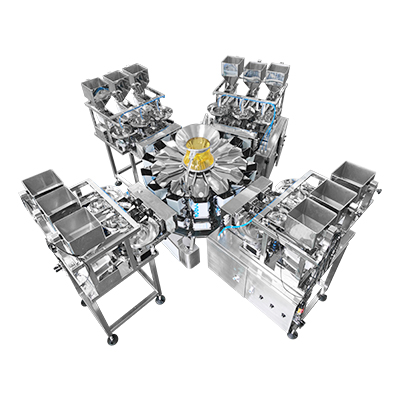
Operational differences define the choice between these two systems. A linear system uses a straight-line accumulation method. It fills one bucket until it reaches the target weight. A circular multihead weigher uses an algorithmic combination method. It fills many buckets with partial weights. The computer then calculates which combination of buckets equals the target weight and discharges them together.
Cost and complexity heavily favor the straight-line approach. Linear systems are more economical to purchase and easier to maintain. They require fewer load cells, fewer motors, and simpler programming. They are also ideal for fragile products. A straight-line scale drops the product fewer times than a multihead system. The product moves from the pan, to the weigh bucket, to the package. Multihead systems often involve intermediate pool hoppers, increasing the drop height and the risk of product breakage.
Volumetric Dosing vs. Gravimetric Weighing
Density variations dictate the choice between volume and mass measurement. Volumetric cup fillers and augers measure a specific volume of space. They assume that a specific volume always equals a specific weight. Gravimetric weighers measure actual mass using load cells, regardless of the volume the material occupies.
Gravimetric weighing is mandatory when bulk density fluctuates. If a powder absorbs moisture from the ambient air, its density changes. Auger fillers rely on a constant number of revolutions to dispense a set volume. If the powder density drops by 10 percent, the final package weight drops by 10 percent, even though the auger turned the exact same number of times. Gravimetric systems ignore volume entirely. They feed until the mass is correct. The load cell measures the actual mass, ensuring the weight remains constant regardless of density shifts. This prevents costly product giveaway when the product is dense, and prevents underfilling when the product is aerated.
Feature
Linear Weigher
Multihead Weigher
Volumetric Filler
Measurement Principle
Gravimetric (Mass)
Gravimetric (Mass)
Volumetric (Space)
Throughput Speed
Low to Medium
High to Very High
Medium to High
Accuracy
High
Very High
Low (if density varies)
Ideal Product Type
Granules, Powders, Fragile
Snacks, Hardware, High-Speed
Consistent Density Powders
Maintenance Complexity
Low
High
Low
Implementation Realities and Risk Mitigation
Deploying a weighing system on an active factory floor uncovers hidden operational challenges. Theoretical accuracy in a laboratory does not always translate to the production line. Operational risks threaten measurement accuracy daily. You must address environmental factors and maintenance protocols to ensure long-term reliability.
Environmental Interference
Structural vibrations destroy load cell accuracy. Nearby heavy machinery, punch presses, and forklifts send shockwaves through the concrete floor. These vibrations travel up the machine frame and into the load cell. The load cell interprets this mechanical vibration as weight. This causes load cell noise. The PLC interprets this noise as false weight readings, leading to erratic dosing and rejected batches.
Vibration isolation is critical. You must install the weighing equipment on independent mounting frames. Do not bolt the weigher to the same mezzanine supporting heavy vibratory conveyors or large motors. Use heavy-duty isolation pads under the machine feet to dampen floor frequencies. Neoprene pads work for high-frequency vibrations, while spring isolators handle low-frequency impacts.
Airflow and HVAC systems also disrupt measurements. Strong ambient air currents exert downward pressure on the weigh hoppers. This artificially inflates the registered weight of lightweight powders. The load cell cannot distinguish between product mass and wind pressure. If an overhead HVAC vent blows directly onto the scale, the system will consistently underfill the packages. You must install draft shields around the weighing zone. Redirect HVAC vents away from the equipment. Ensure that dust extraction systems do not pull a vacuum on the weigh bucket, which also skews the weight reading.
Cleaning, Changeovers, and Cross-Contamination
Sanitary design reduces operational overhead. Frequent product changeovers require thorough cleaning to prevent cross-contamination. This is especially true for allergen-sensitive food processing or chemical batching. If you run a peanut product and then switch to a tree-nut-free product, the machine must be completely sanitized.
Evaluate the equipment for tool-less removal of hoppers and pans. Operators should be able to dismantle the product contact parts by hand without wrenches or screwdrivers. This speeds up the changeover process and reduces downtime. When dismantling the machine, operators must place sensitive components like weigh buckets on dedicated washdown carts. Dropping a bucket can bend the mounting brackets, which misaligns the bucket on the load cell during reassembly. This mechanical binding causes severe weighing errors. Washdown procedures must be fast and effective. Look for IP65, IP67, or IP69K rated enclosures. These ratings ensure the electronics survive high-pressure water jets and harsh chemical sanitizers during cleaning shifts. Sloped surfaces on the machine frame prevent water pooling and bacterial growth.
Conclusion
Conduct a comprehensive bulk density analysis on all raw materials to determine if you need standard flat pans, dimpled surfaces, or mechanical auger assists.
Measure ambient floor vibrations in your proposed installation area using an accelerometer to specify the correct neoprene or spring isolation mounts.
Audit your facility's HVAC airflow patterns and dust extraction vacuum pressures to ensure draft shields are included in your final equipment specifications.
Specify tool-less hopper removal and IP67-rated enclosures to minimize downtime during mandatory sanitation and product changeover shifts.
FAQ
Q: What causes a linear scale to constantly overshoot the target weight?
A: Overshooting usually stems from an incorrect fine feed setting. If the vibratory pan does not slow down early enough, excess product falls into the bucket before the load cell registers the cutoff. Adjusting the coarse-to-fine transition point in the PLC resolves this issue. You must give the system enough time to react to the final dribble feed.
Q: Can I run both powders and large granules on the same machine?
A: It is physically possible but highly inefficient. Powders require enclosed hoppers, mechanical agitators, and dust extraction. Large granules need open pans to prevent jamming. Swapping these contact parts takes significant downtime. Dedicated machines are strongly recommended for vastly different material profiles to maintain production efficiency.
Q: How often should we calibrate the load cells?
A: You should perform a zero-tare automatically between every cycle to account for residue buildup. Formal static calibration using certified test weights should occur weekly or bi-weekly. This depends on your facility's compliance requirements, shift volume, and the severity of ambient floor vibrations impacting the machine.
Q: Why does the weight fluctuate when the forklift drives by?
A: Load cells are highly sensitive strain gauges. Floor vibrations from heavy equipment transmit up through the machine frame, causing the load cell flexure to deform slightly. The system registers this mechanical movement as false weight. Installing heavy-duty vibration isolation pads under the machine frame mitigates this interference.
Q: What is the advantage of dimpled pans?
A: Dimpled or textured pans reduce the surface contact area between the metal and the product. This prevents sticky, moist, or statically charged granules from adhering to the feed pans. It ensures a consistent flow rate into the weigh bucket and prevents material buildup that skews dosing accuracy.
Automated mesh bagging extends produce shelf life by providing vital airflow. Upgrading your line slashes labor costs, stops product giveaway, and maximizes daily output.
Dust-controlled powder fillers use vacuum extraction and servo-driven augers to package fine materials. These automated systems prevent waste, ensure safety, and maximize ROI.
Horizontal packaging machines use lateral movement to safely package solids, powders, and liquids. These systems ensure leak-proof seals, cut labor costs, and maximize your ROI.
It is a high-tech enterprise specializing in the R&D, design, and independent manufacturing of packaging, conveying, weight detection, weighing, and filling equipment.