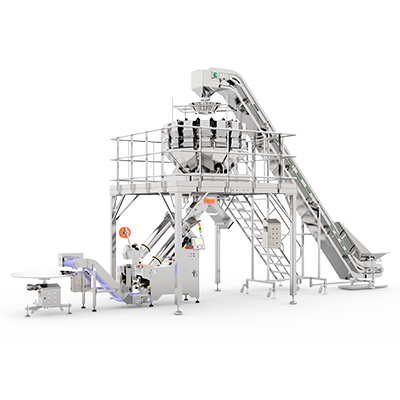
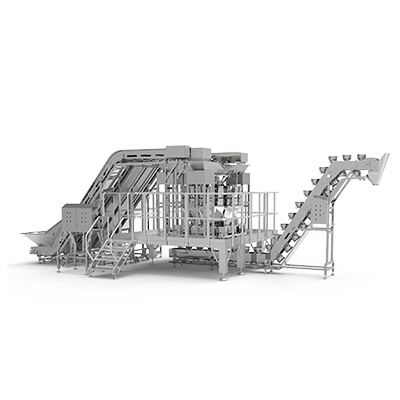
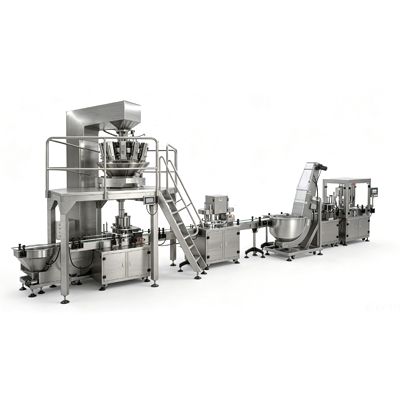
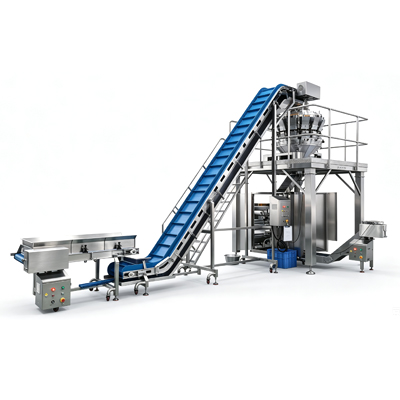
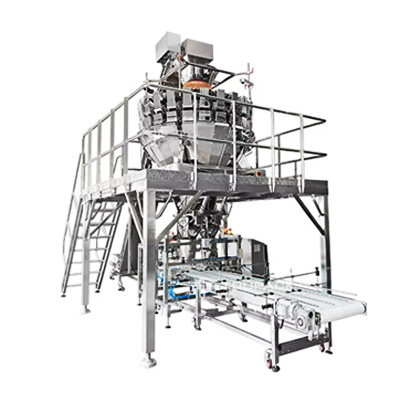
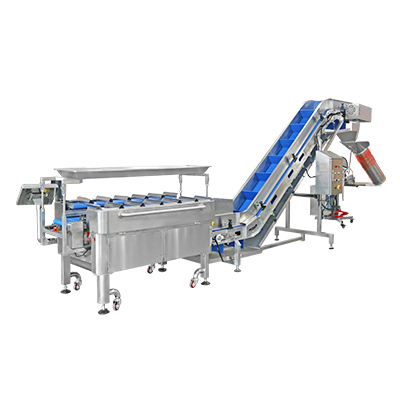
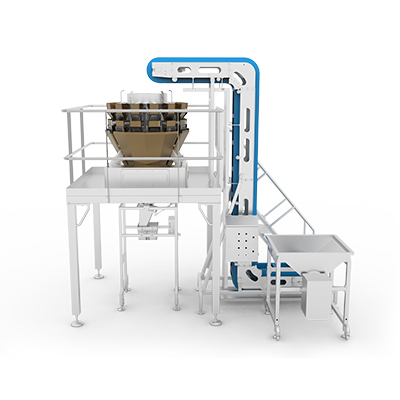
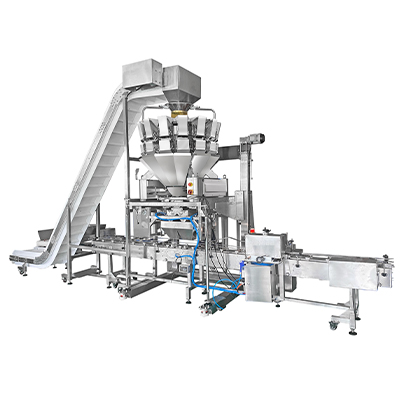
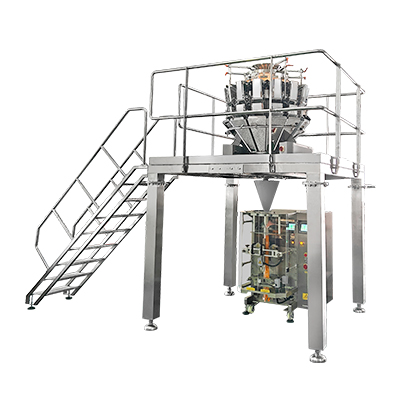
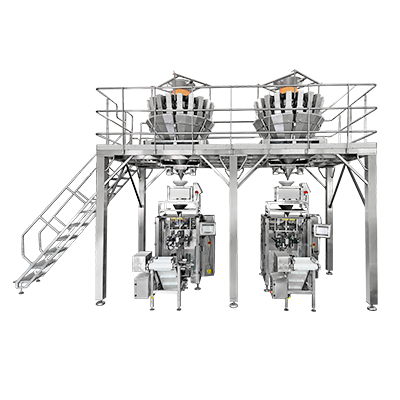
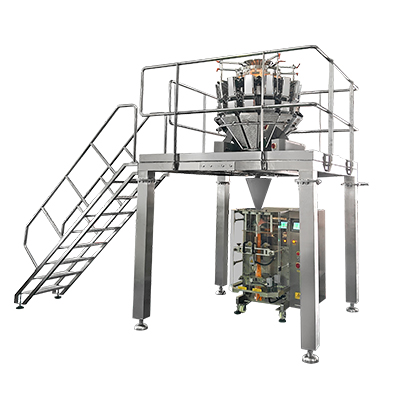
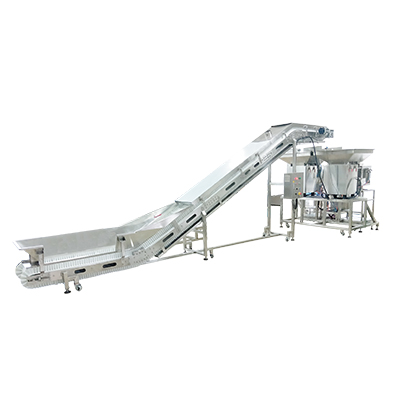
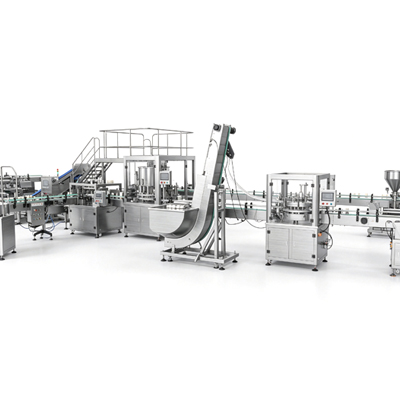
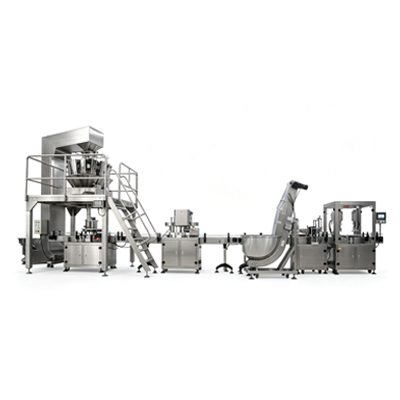
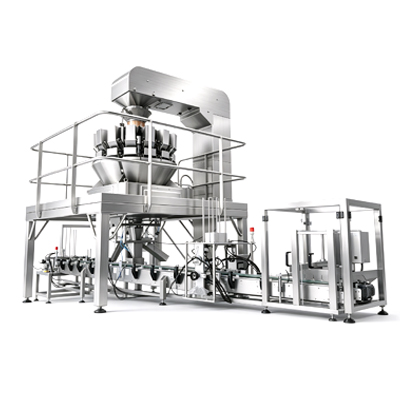
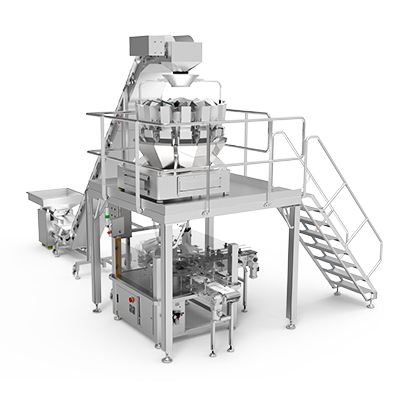
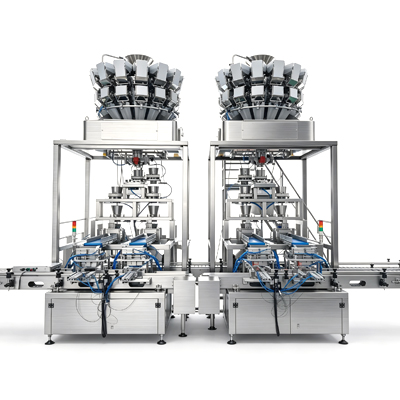
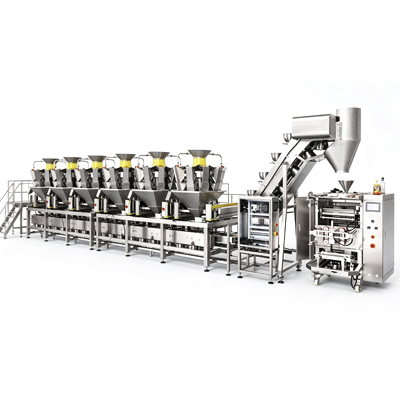
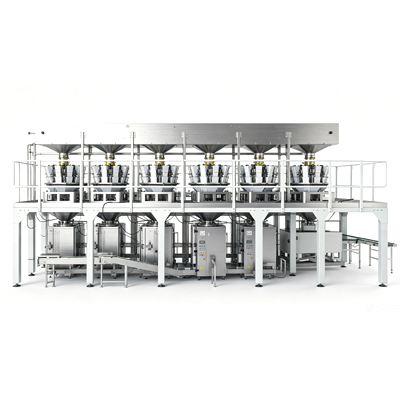
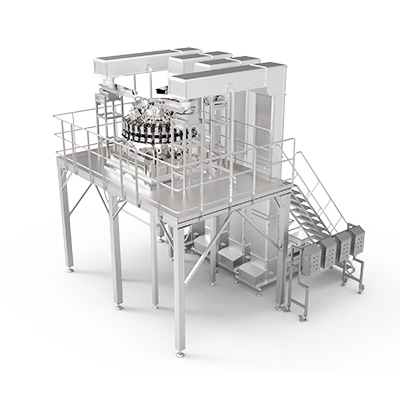
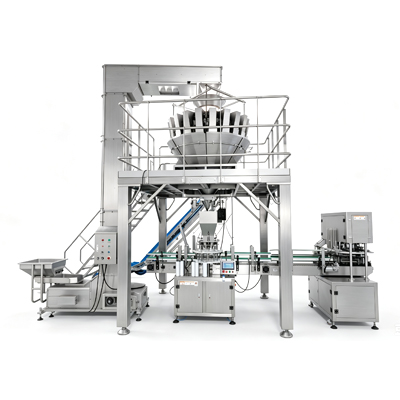
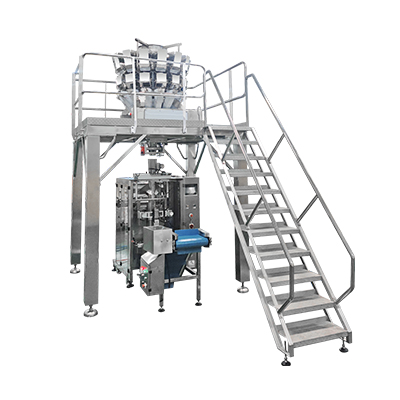
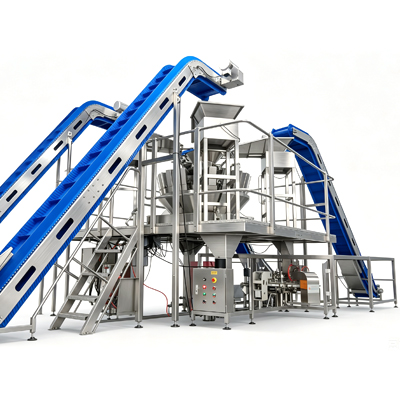
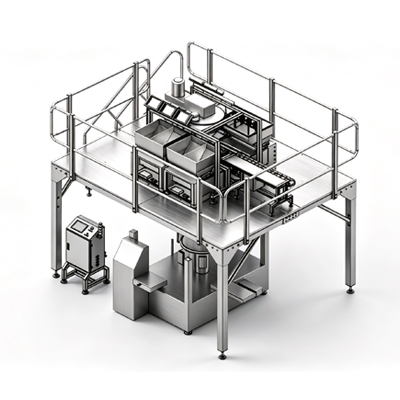
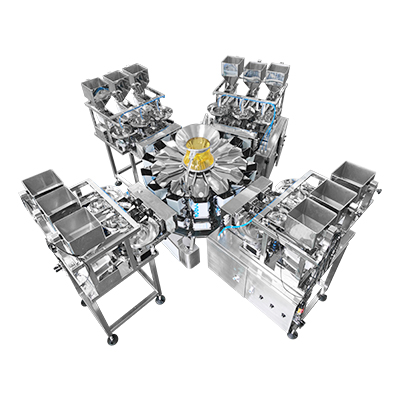
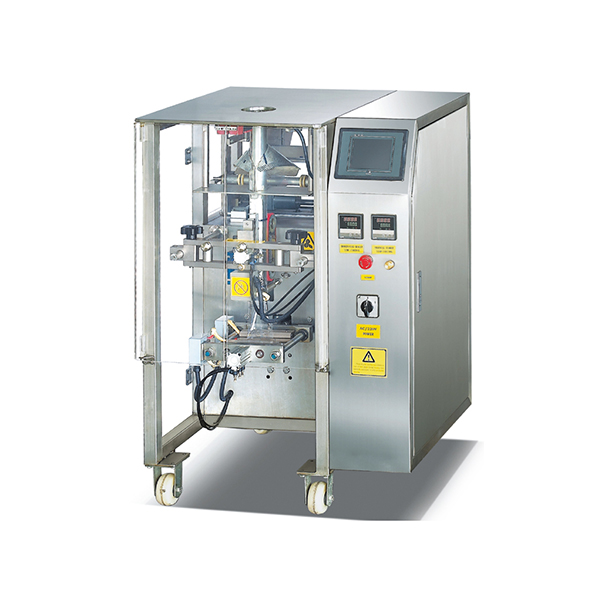
Transitioning from manual or semi-automated packaging to fully automated solutions requires significant capital investment. You need robust equipment capable of keeping pace alongside evolving production demands. A reliable Vertical Form Fill Seal Machine often serves as the beating heart of high-speed packaging lines. However, misunderstanding mechanical limitations often leads to mismatched throughput expectations. Production teams frequently encounter frequent film jams or severely compromised seal integrity. These operational failures disrupt supply chains and quickly inflate material waste.
Today, we will thoroughly demystify the mechanical sequence of VFFS technology. You will gain a clear, actionable commercial evaluation framework. This guide helps production managers and procurement teams seamlessly shortlist the exact architecture suitable for their specific facility.
Key Takeaways
VFFS systems execute web tracking, forming, filling, and sealing in a continuous or intermittent sequence, directly impacting output limits and film waste.
The choice between continuous and intermittent motion architecture dictates both your maximum throughput and compatibility with specific product types (e.g., fragile vs. bulk goods).
Evaluating a Vertical Form Fill Seal Machine requires looking beyond "bags per minute" to factor in tool-less changeover times, integration with multi-head weighers, and sanitary compliance (IP ratings/washdown capabilities).
The most common implementation failure is ignoring film compatibility; testing your specific laminate or mono-material on the manufacturer's sealing jaws before procurement is non-negotiable.
The Core Mechanical Sequence: Step-by-Step VFFS Operation
Understanding a Vertical Form Fill Seal Machine requires examining its core operational flow. We will break down the mechanical process below. You will see exactly where engineering quality impacts production reliability.
Film Unwinding, Tension Control, and Web Tracking
Servo-driven belts or pneumatic rollers pull roll stock through the machine. The film navigates through a dancer arm assembly. This dancer arm uses weighted rollers. They maintain constant tension across the material web. Proper tension prevents the packaging film from stretching prematurely.
You must look for automatic web edge-tracking sensors during evaluation. They keep the film aligned perfectly. Poor tension control is the leading cause of misaligned prints. It also generates excessive film waste. Robust tracking systems prevent costly packaging errors.
Best Practice: Calibrate your edge-tracking sensors weekly. Dust accumulation routinely blinds optical sensors.
Common Mistake: Operators often run heavy film rolls manually. This bypasses the dancer arm sequence. It instantly destroys web tension.
The Forming Tube and Pouch Sizing
Flat film passes over a rigid metal forming collar. This collar shapes the material precisely. It folds the flat film into a continuous tube. The newly formed tube wraps securely around the central filling pipe.
Different bag widths require custom collars. You must assess the machine's collar-swap ergonomics closely. Heavy assemblies slow down production lines. Complex mechanisms increase downtime during SKU changeovers. Look for lightweight, highly accessible forming tubes.
The Filling Process and Upstream Synchronization
Product drops vertically through the central filling pipe. It travels directly into the newly formed pouch. Gravity pulls the items down swiftly. This step requires perfect mechanical timing.
The packaging equipment must communicate seamlessly. It relies on standard PLC protocols. You connect it to upstream dosing equipment smoothly. These systems include multi-head weighers and augers. Volumetric fillers also require precise digital handshakes. Poor synchronization causes product to spill outside the bag.
Vertical and Horizontal Sealing (The Jaw Assembly)
Heated jaws clamp the film tightly together. They create the strong vertical back-seal. Simultaneously, horizontal jaws form the top and bottom seals. An integrated blade cuts the individual bag loose.
Examine jaw pressure consistency very closely. Ask manufacturers about temperature recovery times. High-speed runs drain heat from the metal jaws. Inadequate heat recovery leads to dangerous micro-leaks. These leaks instantly compromise product shelf life. You cannot afford inconsistent sealing profiles in commercial production.
Intermittent vs. Continuous Motion: Selecting the Right Architecture
Buyers must align machine types to their distinct business cases. We categorize the main architectural solutions below. You can select the best fit for your facility.
Intermittent Motion VFFS
The film stops moving momentarily during this sequence. It pauses while horizontal seal jaws close completely. The jaws seal and cut the bag. The motion cycle then repeats.
They handle heavy products perfectly. Dusty goods also run exceptionally well here. Liquid products require longer seal dwell times. Intermittent systems provide this critical extra time.
Maximum speeds remain relatively lower. You typically see 40 to 80 bags per minute. However, they deliver highly reliable seal integrity. Difficult packaging materials seal better here. They also demand lower upfront capital investment.
Continuous Motion VFFS
The film never stops moving during operation. Sealing jaws move in tandem smoothly. They travel downward alongside the constant film flow. The jaws seal without pausing the entire web.
High-volume runs require this specific architecture. Lightweight, free-flowing products are ideal candidates. Snacks and candies match this profile perfectly.
Throughput climbs extremely high. They routinely deliver 100 to 250 bags per minute. They do require a higher initial capital expenditure. Precise synchronization with upstream fillers is strictly mandatory.
Motion Architecture Comparison
Feature
Intermittent Motion
Continuous Motion
Film Movement
Stops during sealing phase.
Never stops; moves continuously.
Typical Speed
40 to 80 bags per minute.
100 to 250+ bags per minute.
Ideal Products
Heavy, dusty, or liquid items.
Lightweight, free-flowing snacks.
Seal Dwell Time
Longer, allowing stronger seals.
Shorter, requires rapid heat transfer.
Initial Capital
Generally lower investment.
Higher investment required.
Key Evaluation Dimensions for VFFS Investments
You need an objective framework for comparing different OEMs. This section highlights critical dimensions for evaluation. They ensure you purchase reliable machinery.
Features-to-Outcomes: Speed vs. Seal Integrity
Many buyers assume maximum mechanical speed equals consistent production speed. Operators often learn this assumption is completely false. Theoretical maximums rarely survive real-world facility conditions.
Evaluate the machine's ability to maintain uniform seal pressure. Test it running at 80% capacity continuously. Reject rates matter far more than theoretical speeds. A fast machine producing leaky bags ruins profitability. You must prioritize predictable output over flashy sprint speeds.
Scalability and Changeover Flexibility
Look for recipe-driven Human-Machine Interface (HMI) systems. Modern HMI panels save vital parameters easily. They store temperature and pull-belt settings per SKU. Operators simply press a button to recall settings.
Demand tool-less changeovers during your procurement phase. Forming tubes and jaw plates need frequent swapping. Tool-less designs reduce maintenance downtime massively. You can shrink complex changeovers from hours to mere minutes.
Best Practice: Standardize your film roll sizes where possible. This reduces the number of forming collars you need.
Compliance, Safety, and Sanitary Design
Food and pharmaceutical applications require strict regulatory compliance. Verify the stainless steel construction grades thoroughly. Standard packaging environments typically use 304 stainless steel. Highly corrosive environments need 316 stainless steel.
Check IP65 or IP69K ratings carefully. Washdown environments demand high water protection. Accessible wipe-down zones ensure thorough daily cleaning. Bacteria cannot hide easily in open-frame structural designs. Protect your consumers by enforcing sanitary design rules.
Implementation Realities and Adoption Risks
Rolling out a new Vertical Form Fill Seal Machine presents specific operational challenges. We highlight common rollout failures below. You will learn how to mitigate them effectively.
Risk 1: Film and Sealing Jaw Mismatches
Sustainability mandates drive rapid packaging material changes. Transitioning to recyclable mono-materials often causes unexpected issues. These new films frequently fail on standard heat jaws. They melt unevenly or stick to the metal surfaces.
Require Factory Acceptance Testing (FAT) early. You must supply your exact production film. Do not rely on the OEM's standardized test rolls. Real-world material testing prevents costly downstream surprises. This step remains absolutely non-negotiable.
Risk 2: Facility Environment Variables
Product fills routinely generate massive dust clouds. Flour, protein powder, and spices are notorious culprits. Dust settles heavily on delicate optical sensors. It also actively contaminates the heated seal zone. This destroys seal integrity very quickly.
Specify dedicated dust extraction integration upfront. You should request static elimination bars immediately. Add these specific requirements during the initial quoting phase. They keep the sealing area pristine during operations.
Common Mistake: Ignoring ambient facility temperatures. High factory humidity severely degrades packaging film performance.
Shortlisting Logic: Moving from Evaluation to Procurement
The buying committee needs actionable next steps. Transitioning from research to procurement requires strict discipline. Follow these structured guidelines below.
Define your absolute non-negotiables immediately. Document exact product dimensions precisely. Measure your available facility footprint accurately. Calculate your strictly required throughput in bags per shift.
Audit your upstream and downstream readiness thoroughly. Are your existing conveyors ready for automated integration? Check your date coders and automated case packers. A bottleneck downstream ruins primary packaging speed completely.
Request detailed ROI calculations from multiple OEMs. Base these financial models on actual product runs. Factor in your estimated manual labor reduction. Include your specifically projected film waste percentages.
Demand transparent spare parts availability matrices.
Confirm local field service technician response times.
Review the included operator training program syllabus.
Conclusion
Understanding how a vertical packaging machine works is only the first step. The real value lies in matching mechanical capabilities properly. Motion type, sealing technology, and changeover efficiency matter greatly. Align these features directly to your specific production realities. A well-matched system elevates your entire facility output.
We encourage buyers to take proactive steps today. Schedule a technical consultation with qualified engineers. Request a custom Factory Acceptance Test framework immediately. Begin evaluating your shortlisted OEMs armed with objective data.
FAQ
Q: What bag styles can a VFFS machine produce?
A: They produce standard pillow bags effortlessly. You can also manufacture gusseted bags and block-bottom styles. Quad-seal capabilities are available on advanced models. The exact style depends largely on the forming tube variations installed.
Q: How much does a commercial VFFS machine cost?
A: Prices range broadly based on features. Entry-level intermittent models start around $30,000. High-speed, servo-driven washdown models exceed $150,000 easily. Remember, upstream fillers and multi-head weighers are often priced completely separately.
Q: Can a VFFS machine handle liquids and dry goods?
A: Technically, yes. However, it requires entirely different filling apparatuses. Liquids need specialized pumps. Dry goods need augers or weighers. You also need different squeegee-style sealing jaws. Switching between them makes dual-use highly impractical.
Automated mesh bagging extends produce shelf life by providing vital airflow. Upgrading your line slashes labor costs, stops product giveaway, and maximizes daily output.
Dust-controlled powder fillers use vacuum extraction and servo-driven augers to package fine materials. These automated systems prevent waste, ensure safety, and maximize ROI.
Horizontal packaging machines use lateral movement to safely package solids, powders, and liquids. These systems ensure leak-proof seals, cut labor costs, and maximize your ROI.
It is a high-tech enterprise specializing in the R&D, design, and independent manufacturing of packaging, conveying, weight detection, weighing, and filling equipment.