You are here:Home / Blogs / Success Story / From 1 to 12 Packaging Lines: A Six-Year Growth Partnership Between a North American Snack Manufacturer and LEESOLU
From 1 to 12 Packaging Lines: A Six-Year Growth Partnership Between a North American Snack Manufacturer and LEESOLU
Views: 0 Author: Site Editor Publish Time: 2026-10-30 Origin: Site
How a North American potato chip contract manufacturer expanded from one weighing and packaging line to twelve with LEESOLU's integrated snack food packaging solutions.
For potato chip and snack food manufacturers, expanding production capacity requires more than purchasing additional equipment. Consistent weighing accuracy, gentle product handling, reliable packaging performance, and fast changeovers all play a critical role in maintaining product quality and production efficiency.
A North American snack food contract manufacturer experienced these challenges firsthand. Over six years, the company expanded from one LEESOLU potato chip weighing and packaging line to twelve lines across its factory. This long-term partnership demonstrates how integrated packaging equipment can support production growth while addressing the specific challenges of handling fragile potato chips.
1. How an Urgent Order Became a Long-Term Partnership
The partnership began in 2020, when a weighing and packaging line supplied by a European equipment brand suddenly broke down during peak season.
With customer orders increasing rapidly, the manufacturer's original supplier quoted a three-month delivery lead time—far too long to meet its production requirements.
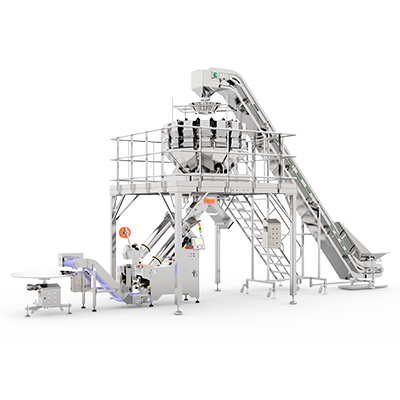
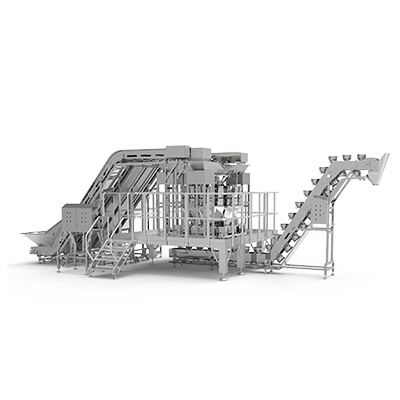
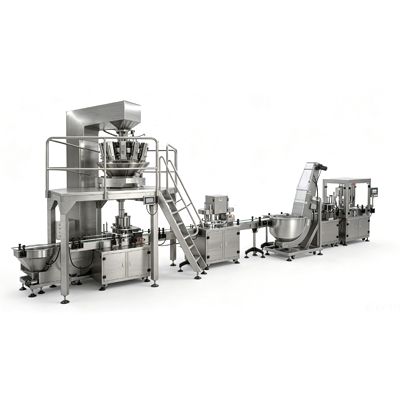
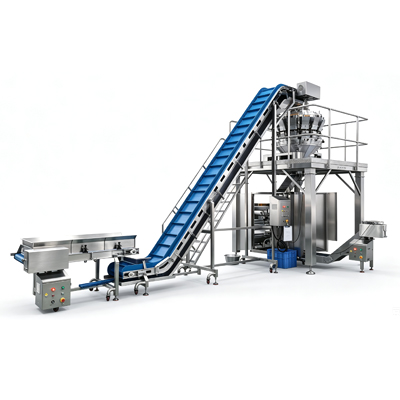
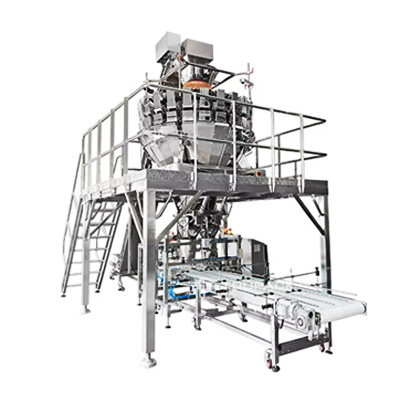
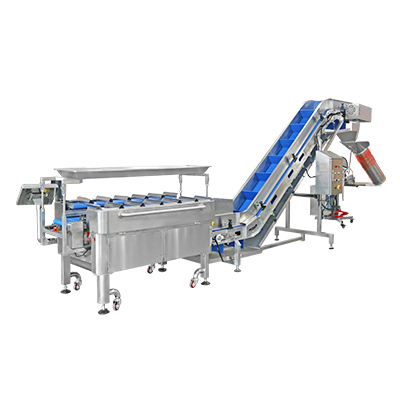
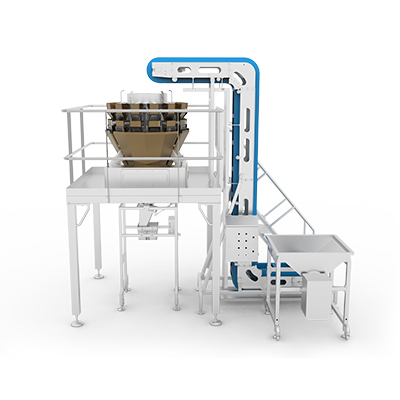
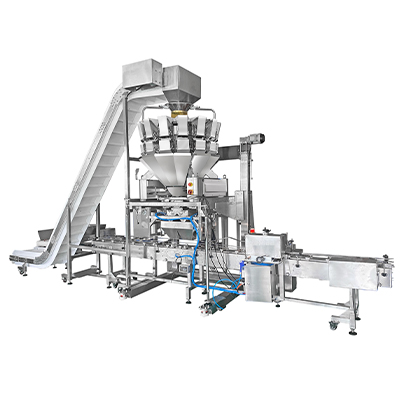
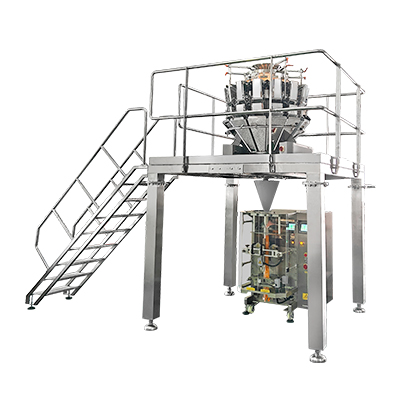
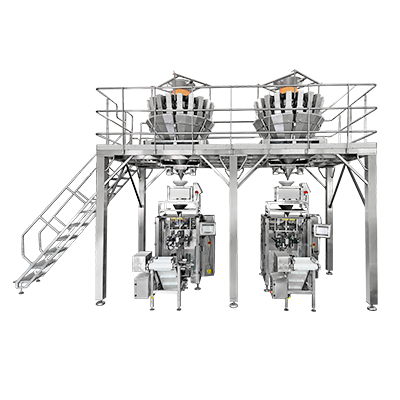
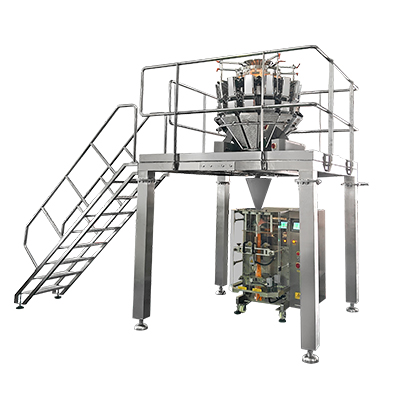
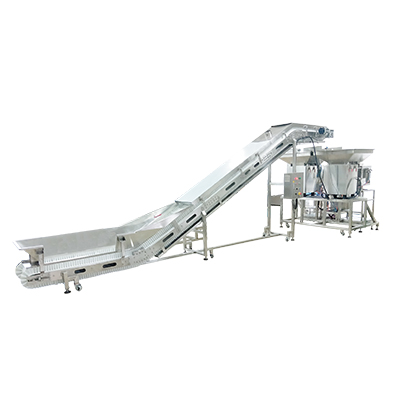
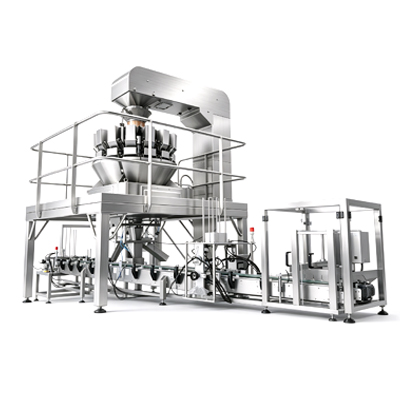
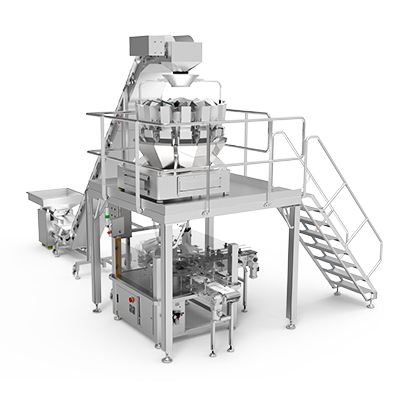
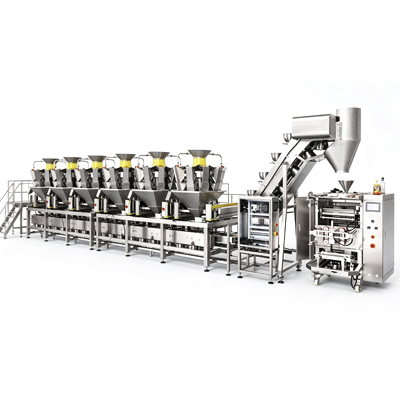
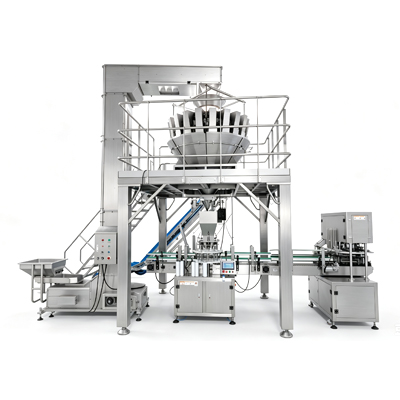
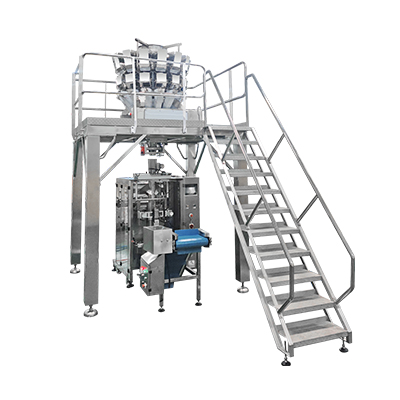
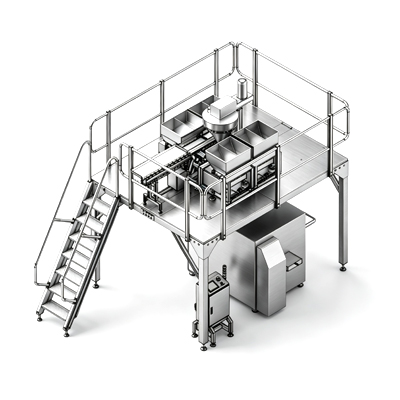
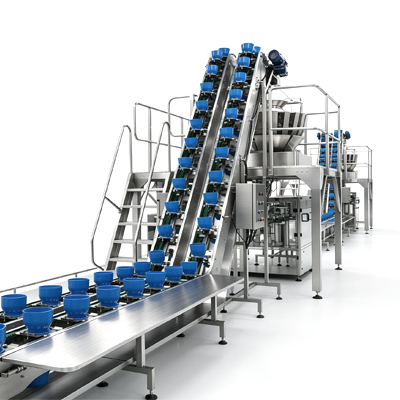
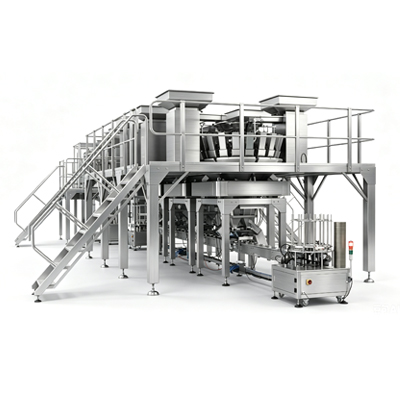
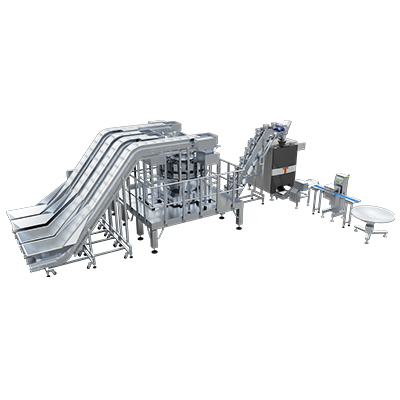
After comparing suppliers and conducting product tests, the company decided to place an urgent order with LEESOLU. The initial solution was a complete potato chip weighing and packaging line consisting of:
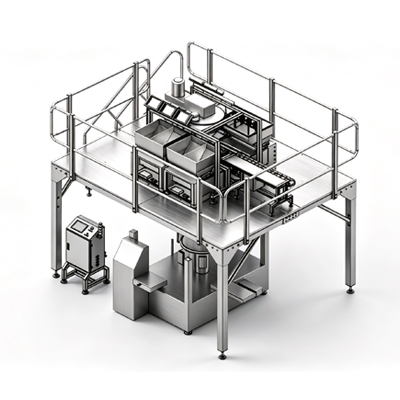
Reciprocating feeder
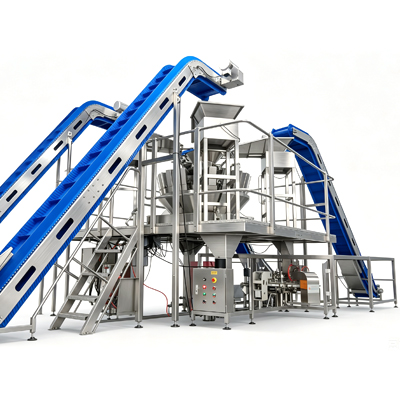
Z-type bucket elevator
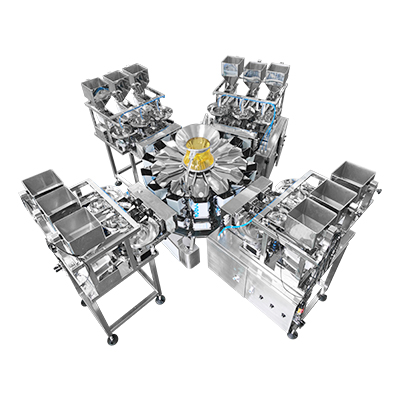
14-head multihead weigher
Vertical form-fill-seal (VFFS) packaging machine
At the time, the production team remained cautious about the stability of Chinese-made equipment. The new line was initially intended as a temporary backup rather than a long-term replacement.
However, the results exceeded expectations.
LEESOLU completed manufacturing, transportation, installation, and commissioning within 45 days. During operation, the line maintained a production speed of approximately 55 bags per minute, with weighing errors controlled within ±2 g.
According to the original case data, the potato chip breakage rate was 1.2 percentage points lower than that of the manufacturer's previous imported equipment.
The feeding and conveying system was particularly important. Potato chips are fragile and can easily break when subjected to excessive impact, uneven feeding, or unnecessary transfers. LEESOLU's low-speed, uniform reciprocating feeding design, combined with the gentle handling of the Z-type bucket elevator, helped reduce product damage during conveying and improve the integrity of the finished product.
The first line established the foundation for a lasting business relationship.
During subsequent expansion projects in 2021, 2024, and 2026, the manufacturer continued to purchase complete weighing and packaging lines from LEESOLU without repeating the multi-supplier comparison process.
The result: a factory that started with one line and eventually expanded to 12 packaging lines equipped with LEESOLU solutions.
2. The Eighth Line: Faster Changeovers for Multiple Bag Sizes
By 2024, the manufacturer needed its eighth packaging line to handle a wider range of product specifications.
The production team introduced a new requirement: the same potato chip packaging line had to accommodate both 40 g small bags and 150 g large bags, with changeover time kept within 15 minutes.
This requirement highlighted an important consideration in snack food packaging automation: a high-speed line must also be flexible enough to handle changing production schedules and packaging specifications.
LEESOLU addressed the requirement with a newer reciprocating feeder featuring a dual-channel feeding design.
Instead of requiring extensive mechanical adjustments for every product specification change, operators could select the appropriate recipe through the touchscreen interface. This reduced the need for manual mechanical intervention during changeovers.
For manufacturers producing multiple bag sizes, this type of design can help simplify routine adjustments and reduce the time required to switch between production specifications.
The project also demonstrated the value of designing equipment around actual product and production requirements rather than relying exclusively on standard configurations.
3. Why Does an Existing Customer Continue to Choose the Same Supplier?
For an established snack food manufacturer, expanding production is not simply a purchasing decision. Introducing a new supplier can create additional work involving equipment evaluation, production testing, operator training, commissioning, and process adjustment.
In a message shared with permission, the manufacturer's production director, referred to here as Marcus, explained the operational considerations behind the company's purchasing decisions:
"We've calculated the numbers: if a line requires rework on 200 bags every day because of weighing accuracy issues, that adds up to more than 70,000 bags a year. If a bucket elevator jams and stops production for an hour, the entire line can lose 4,000 bags of output.
Your equipment has kept these two issues from becoming recurring concerns over the past six years. When expanding, what worries me most isn't paying a few thousand dollars more for equipment. It's having to start over with a new supplier and repeat the adjustment and troubleshooting process.
Your price isn't the lowest, but when we expand, I don't have to keep wondering whether the equipment will let us down."
The quotation is reproduced from the original case material and should be published only with the necessary customer authorization.
This experience highlights several factors that manufacturers should consider when evaluating snack food packaging equipment:
Weighing consistency: Unstable weighing can lead to product giveaway, underweight packages, and additional inspection or rework.
Conveying reliability: Material jams can interrupt the entire production line, not just the conveying stage.
Product protection: Excessive breakage can reduce saleable yield and affect the appearance of finished products.
Expansion compatibility: Using familiar equipment configurations can simplify operator training and the integration of additional lines.
Supplier continuity: A supplier familiar with the product, production process, and previous equipment configurations can reduce repeated evaluation and commissioning work.
Equipment purchase price is only one part of the investment. Production interruptions, material waste, labor requirements, and the time needed to integrate new equipment also deserve consideration.
4. How Each Machine Addresses Potato Chip Packaging Challenges
Potato chips present specific challenges for automated weighing and packaging. Their irregular shapes, fragile structure, low bulk density, and tendency to break during handling require careful coordination between feeding, conveying, weighing, and packaging.
The LEESOLU solution addresses these challenges through an integrated line design.
Reciprocating Feeder: More Controlled Product Distribution
Potato chips can accumulate unevenly or form bridges as they leave the storage hopper. Aggressive feeding can also increase breakage.
The reciprocating feeder uses low-frequency reciprocating motion to loosen and distribute the product before transferring it to the elevator. The original case data reports a breakage rate below 1% for this feeding stage.
For snack manufacturers, controlled feeding helps provide a more consistent product supply to the weighing system while limiting unnecessary mechanical impact.
Z-Type Bucket Elevator: Gentle Vertical Conveying
Vertical conveying is necessary when production layouts require materials to move from a lower feeding point to an elevated weighing platform.
However, conventional conveying methods can expose fragile products to repeated impacts and drops.
The LEESOLU Z-type bucket elevator uses a product-handling design intended to reduce breakage during elevation. Its food-grade plastic buckets can be removed for cleaning, helping operators perform sanitation tasks when changing seasoning varieties.
The original case specifies a 15-minute cleaning time for this task. Actual cleaning time will depend on the product, sanitation procedure, and factory operating conditions.
14-Head Multihead Weigher: Accurate Portioning with Reduced Giveaway
A multihead weigher calculates combinations of product weights to identify a combination close to the target weight.
For potato chips, weighing performance depends not only on the number of weighing heads but also on product flow, hopper geometry, vibration settings, and the weighing algorithm.
LEESOLU's configuration incorporates widened hoppers and anti-slip liners to accommodate the characteristics of potato chips and reduce material-handling difficulties.
The optimized combination-weighing process is designed to help limit excessive filling and unnecessary product giveaway.
The appropriate weighing configuration should be selected according to target pack weight, required throughput, product characteristics, and the manufacturer's acceptable weighing tolerance.
Vertical Form-Fill-Seal Machine: Consistent Bag Formation and Sealing
After weighing, the product enters the vertical packaging machine for bag forming, filling, and sealing.
Packaging performance depends on film properties, sealing temperature, product flow, and machine settings. Unstable sealing conditions or product caught in the sealing area can lead to defective packages and additional waste.
The packaging machine in this solution features temperature compensation to help manage temperature fluctuations and maintain consistent sealing performance.
The objective is to produce clear, reliable seals while reducing the risk of product becoming trapped in the sealing area.
Integrated Line Design: Coordinating the Entire Process
A weighing and packaging line should be evaluated as a complete production system rather than as a collection of independent machines.
Feeding stability affects elevator loading. Elevator discharge affects the supply of the multihead weigher. Weighing performance affects packaging speed, while sealing reliability influences the quality of finished bags.
Coordinating these stages helps manufacturers address bottlenecks that may otherwise remain unresolved when individual machines are upgraded separately.
5. What Can Snack Manufacturers Learn from This Six-Year Partnership?
The expansion from one packaging line to twelve offers several practical lessons for manufacturers planning capacity increases.
Production consideration
Why it matters
Product handling
Fragile products require controlled feeding and conveying to limit breakage.
Weighing accuracy
Consistent portioning helps manage product giveaway and package-weight compliance.
Changeover flexibility
Multiple bag sizes and product specifications require efficient adjustments.
Line integration
Feeding, weighing, and packaging must operate in coordination to achieve the intended output.
Expansion planning
Equipment configurations should support future capacity requirements and production changes.
Long-term operating cost
Downtime, waste, maintenance, and commissioning effort can affect the total cost of ownership.
For contract manufacturers serving multiple snack brands, these factors are especially important. Production schedules may change frequently, and different customers may require different bag sizes, target weights, or product specifications.
A well-designed potato chip weighing and packaging line should therefore balance output, accuracy, gentle handling, changeover flexibility, and operational reliability.
6. From One Line to Twelve: Supporting Long-Term Production Growth
Over six years, this North American snack food manufacturer expanded from one LEESOLU potato chip weighing and packaging line to twelve lines.
The partnership began with an urgent production problem and developed through subsequent capacity expansions and changing packaging requirements.
The central lesson is that selecting equipment for a growing snack food factory involves more than comparing initial purchase prices. Manufacturers also need to consider product-specific handling, weighing performance, changeover requirements, line integration, and the practical effort required to bring additional capacity online.
LEESOLU provides integrated weighing and packaging solutions for potato chips and other snack foods, with configurations tailored to product characteristics and production requirements.
Planning to expand or upgrade your potato chip packaging line?
Contact LEESOLU to discuss your product, target bag weights, required output, and production layout. Our team can help evaluate a suitable combination of feeding, conveying, multihead weighing, and packaging equipment for your application.
Automated mesh bagging extends produce shelf life by providing vital airflow. Upgrading your line slashes labor costs, stops product giveaway, and maximizes daily output.
Dust-controlled powder fillers use vacuum extraction and servo-driven augers to package fine materials. These automated systems prevent waste, ensure safety, and maximize ROI.
Horizontal packaging machines use lateral movement to safely package solids, powders, and liquids. These systems ensure leak-proof seals, cut labor costs, and maximize your ROI.
It is a high-tech enterprise specializing in the R&D, design, and independent manufacturing of packaging, conveying, weight detection, weighing, and filling equipment.