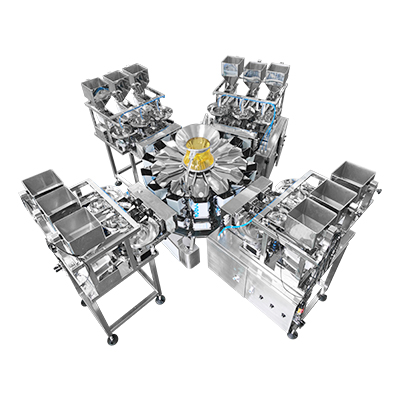
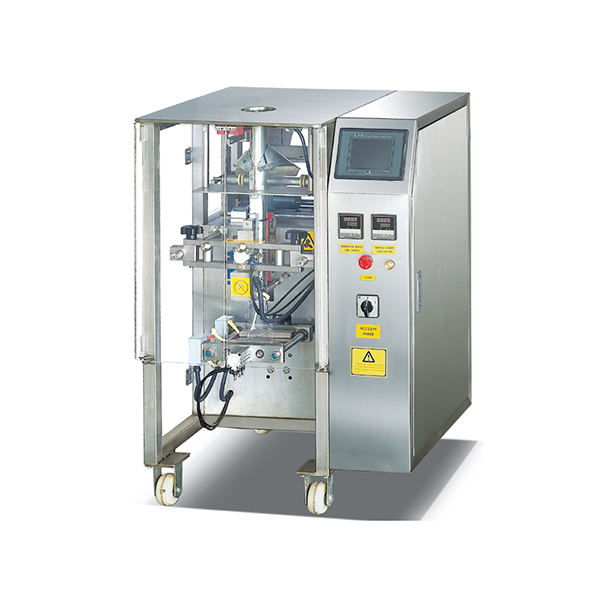
Plant managers and operations directors constantly face mounting pressure to hit daily quotas while strictly managing operational overhead. Manual packaging lines or aging semiautomatic units inevitably trigger throughput bottlenecks in modern manufacturing environments. These outdated setups drain resources through high labor dependency, unpredictable scrap rates, and inconsistent seal quality. The gap between basic production and optimized, high-speed output often hinges on upgrading your central packaging equipment.
This article bridges the gap between understanding basic automation and justifying the capital expenditure required to upgrade. Transitioning to a modern Vertical Form Fill Seal Machine allows you to reclaim lost margins. You will discover exactly how this equipment drives operational ROI, maximizes facility space efficiency, and guarantees long-term production scalability.
Key Takeaways
Vertical form fill seal (VFFS) automation significantly reduces labor dependency while stabilizing production throughput.
Switching from pre-made pouches to continuous rollstock film lowers per-unit packaging material costs.
The vertical footprint maximizes production capacity per square foot compared to horizontal alternatives.
Implementation requires careful evaluation of ceiling clearance, product drop fragility, and operator training to ensure projected OEE (Overall Equipment Effectiveness).
Shortlisting requires matching machine capabilities (speed, washdown ratings, integration) to specific facility constraints and compliance standards.
The Business Case for Upgrading Packaging Operations
Packaging operations often serve as the final checkpoint before products reach the market. Yet, many facilities rely heavily on manual labor for weighing, filling, and sealing. This introduces systemic vulnerabilities into your production line.
Labor Market Realities
Staffing manual packaging lines is harder than ever. High turnover rates constantly force plant managers to rehire and retrain floor operators. Beyond simple hourly wages, you must account for the hidden costs of human error. Fatigued workers inevitably create inconsistent product weights. They misalign seals, leading to immediate product waste or downstream spoilage. These small errors compound over thousands of shifts, quietly eroding profit margins.
CapEx vs. OpEx
You can rethink how your facility spends money by shifting unpredictable operational expenses into controlled capital investments. Manual packaging relies on heavy Operational Expenditure (OpEx). If wages rise or overtime spikes, your costs increase instantly. Investing in automated equipment shifts your focus toward Capital Expenditure (CapEx). You secure a fixed asset. It depreciates predictably over time and locks in your per-unit packaging costs regardless of fluctuating labor markets.
Success Criteria
Upgrading requires clear benchmarks to validate your investment. A successful implementation relies on measurable improvements across your daily operations. You should track these specific metrics to gauge success:
Increased Bags-Per-Minute (BPM): Achieving a steady, continuous output rate without shift-change slowdowns.
Reduced Material Scrap: Minimizing wasted film and rejected product through precise automated tracking.
Improved Uptime: Maintaining continuous operation through reliable pneumatic and mechanical systems.
Consistent Seal Quality: Eliminating leakers through perfectly regulated heat and pressure applications.
5 Core Benefits of a Vertical Form Fill Seal Machine
A modern Vertical Form Fill Seal Machine fundamentally changes how you process bulk items into retail-ready packages. It combines bag forming, product filling, and final sealing into one streamlined action. Here are the five core benefits driving adoption across the food, pharmaceutical, and hardware industries.
Benefit 1: Superior Floor Space Utilization
Industrial real estate comes at a premium. Expanding a facility outward requires massive financial resources. Vertical automation solves this problem by utilizing vertical facility space instead of horizontal floor space. By pulling film upward and dropping product downward, these systems deliver high-volume output in a fraction of the footprint required by other configurations. You can easily fit multiple vertical lines into the same square footage previously occupied by a single sprawling manual packing station.
Benefit 2: Drastic Reduction in Material Costs
Buying pre-made pouches hurts your bottom line. You pay extra for the pouch manufacturer to form the bags. You also pay higher shipping costs to transport essentially empty air inside bulky boxes. Switching to a vertical system allows you to form bags directly from flat rollstock film. Rollstock is incredibly dense and cheaper to manufacture, print, and ship. The economics strongly favor forming your own bags on the fly. This single transition drastically lowers your per-unit material costs over an annual production cycle.
Benefit 3: Scalable Throughput and Labor Efficiency
Automated continuous or intermittent motion minimizes human intervention. Intermittent systems pause briefly to seal the bag, making them perfect for precise weighing. Continuous systems keep the film moving constantly, achieving incredibly high speeds. Because the machine handles the repetitive forming and sealing, you only need one operator to manage multiple machines simultaneously. You can then reallocate your remaining staff to higher-value operational tasks like quality assurance, forklift operation, or preventative maintenance.
Benefit 4: Equipment Versatility and Rapid Changeovers
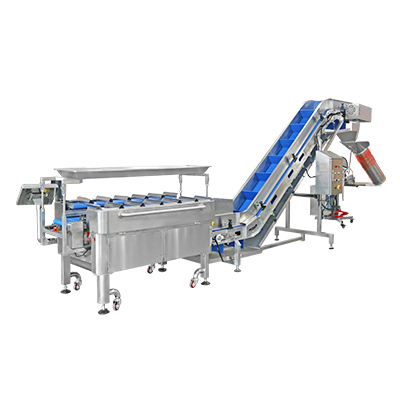
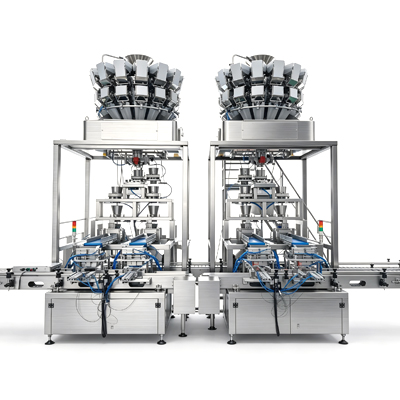
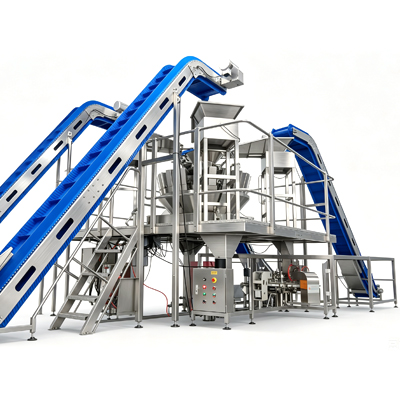
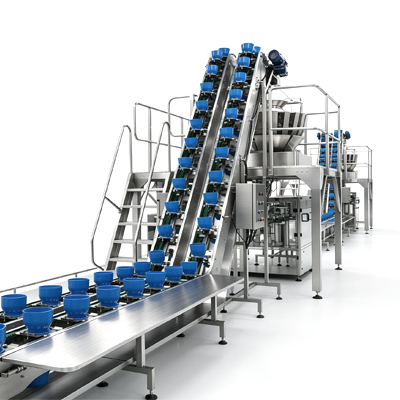
Consumer demands change rapidly. Your packaging lines must adapt without requiring entirely new equipment. Vertical systems offer immense flexibility. They integrate seamlessly with various dosers, including multi-head weighers for snacks, augers for fine powders, and liquid pumps for sauces. Toolless changeover features let operators swap forming tubes and film rolls in minutes.
You can easily produce diverse bag styles on a single frame, including:
Pillow Bags: The standard, economical choice for chips and loose hardware.
Gusseted Bags: Expands at the sides for bulkier items like coffee beans.
Block Bottom Bags: Provides a flat base so the product stands upright on retail shelves.
Quad Seal Bags: Offers four crisp edges for premium branding and structure.
Benefit 5: Enhanced Seal Integrity and Compliance
Leaking packages destroy consumer trust and trigger costly retail rejections. Vertical systems use precise PID temperature controllers and heavy-duty pneumatic jaws to ensure absolute seal integrity. They apply the exact heat and pressure needed for your specific film thickness. For food and pharmaceutical applications, you can add modified atmosphere packaging (MAP) features. Gas flushing replaces ambient oxygen with nitrogen just before sealing. This completely prevents oxidation and extends product shelf life safely.
Validating the Choice: Vertical vs. Horizontal Configurations
Selecting the right orientation depends entirely on your product characteristics. Gravity is a tool. You must decide whether your product benefits from it or suffers from it.
When to Choose Vertical
A vertical setup is best suited for loose, granular, liquid, or easily dropped products. Think of potato chips, ground coffee, protein powders, nuts, or metal bolts. Because the product drops freely from the weigher into the forming tube, gravity actively assists the filling process. This makes the filling cycle incredibly fast and mechanically simple.
When to Choose Horizontal (HFFS)
Acknowledge scenarios where Horizontal Form Fill Seal (HFFS) is absolutely necessary. You cannot drop a solid chocolate bar or a delicate medical device down a tube without causing severe damage. HFFS machines push products gently along a flat conveyor into the film web. Choose horizontal when handling solid, highly fragile, or individually oriented items that require strict spatial control.
Cost/Space Matrix
Understanding the fundamental trade-offs between these two systems helps clarify your final purchase decision. Vertical machines typically offer a lower upfront cost and a much smaller footprint. Horizontal machines require more floor space but excel at high-speed wrapping for single solid items.
Configuration
Ideal Products
Footprint Strategy
Typical Cost Profile
Vertical Form Fill Seal
Loose snacks, powders, liquids, hardware
Maximizes ceiling height, minimal floor space
Generally lower upfront investment
Horizontal Form Fill Seal
Solid bars, baked goods, medical trays
Requires significant horizontal linear space
Generally higher upfront investment
Implementation Realities and Adoption Risks
Do not treat industrial automation as a simple plug-and-play solution. Every facility has unique physical limitations. Acknowledging adoption risks early ensures a smooth installation and guarantees you reach your projected uptime goals.
Ceiling Height Constraints
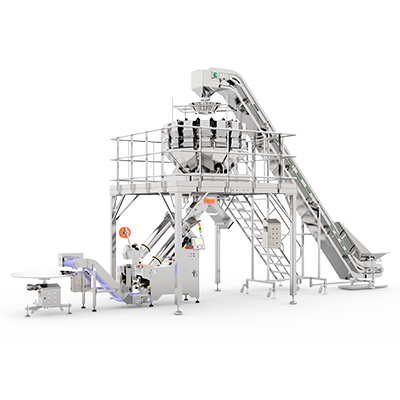
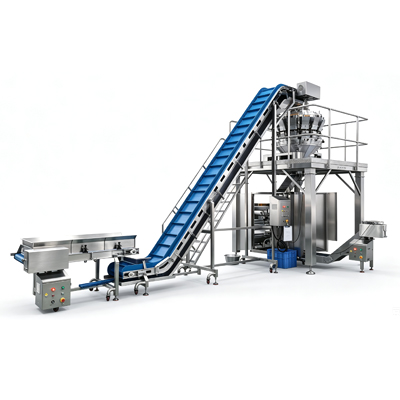
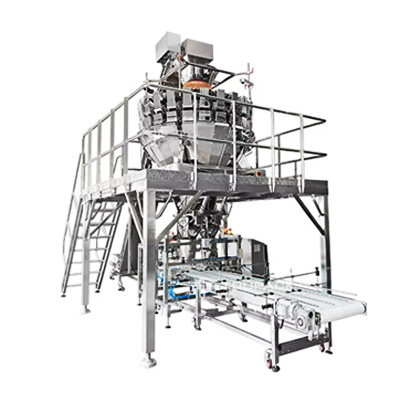
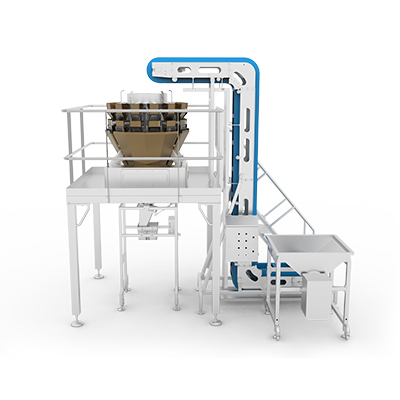
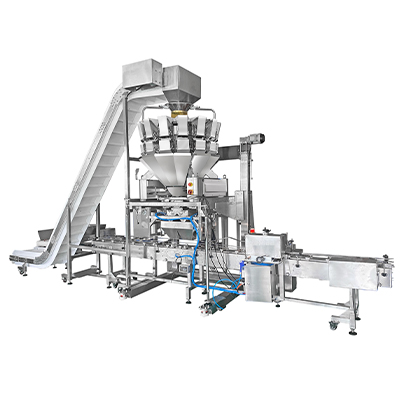
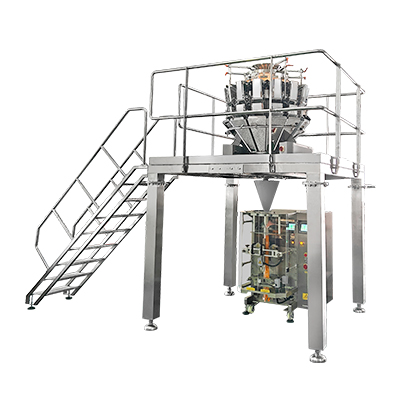
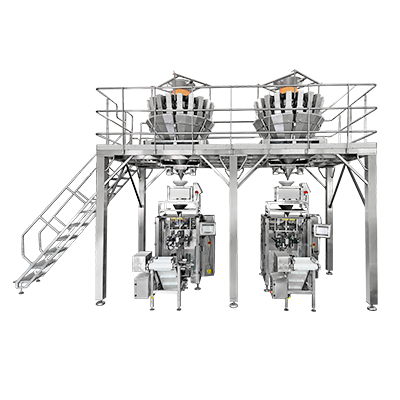
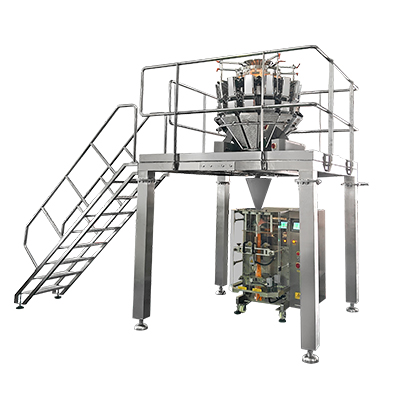
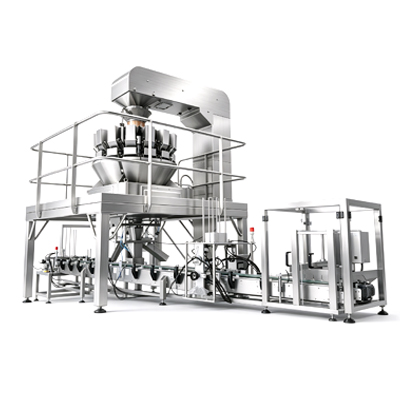
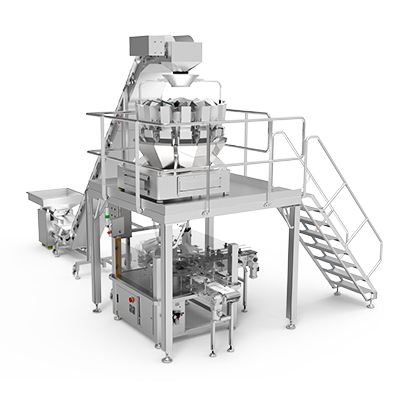
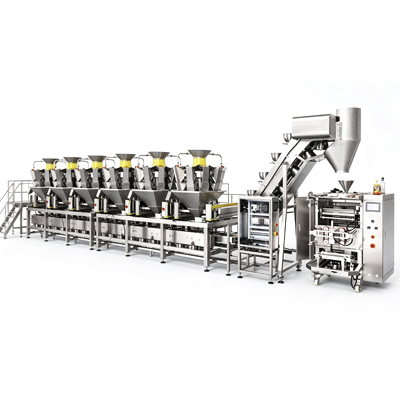
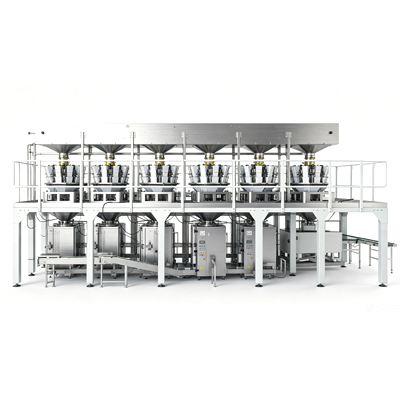
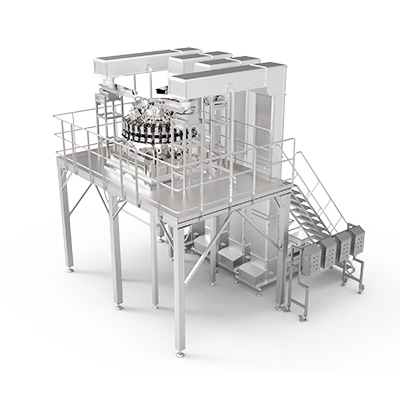
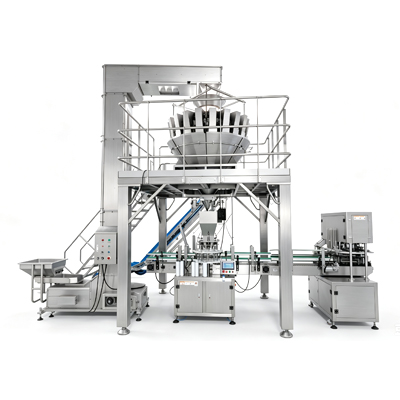
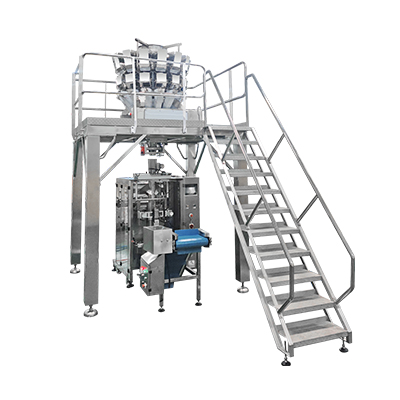
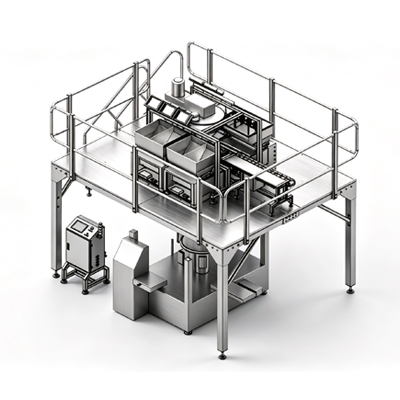
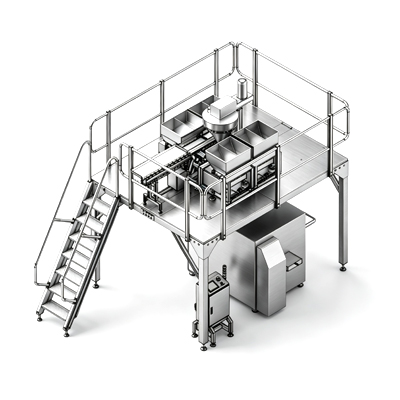
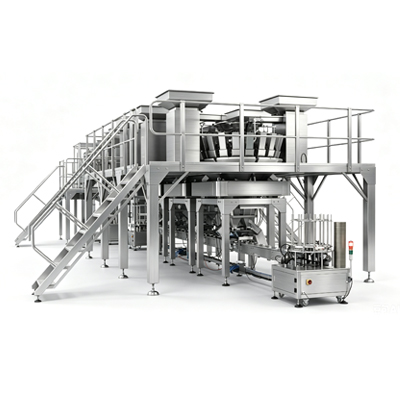
Address the physical reality of vertical packaging. Integrating a Vertical Form Fill Seal Machine alongside a multi-head weigher requires significant overhead clearance. You must stack the bagging machine, the dosing unit, and usually a mezzanine platform for operators to access the weigher. Plant managers often overlook this vertical stack. Conduct strict facility audits. Measure your floor-to-ceiling clearance, accounting for hanging lights, HVAC ducts, and sprinkler systems before finalizing any equipment layout.
Product Breakage Limitations
Gravity drives vertical packaging, but it also creates risk. Delicate items like fragile cookies or thin crackers can shatter when dropped down a long forming tube. If you handle easily bruised products, suggest mitigation strategies to your vendor. Many manufacturers offer inclined setups. These systems tilt the entire machine frame at an angle. The product slides gently down the tube rather than free-falling, drastically reducing impact velocity while maintaining high packaging speeds.
Maintenance & Training Overhead
Avoid painting automation as a "set-and-forget" solution. Moving parts wear down. Heat elements eventually burn out. Establish rigid preventative maintenance programs for your sealing jaws, cutting knives, and pneumatic cylinders. Train your operators to clean the forming tubes daily to prevent cross-contamination.
Common Mistake: Failing to stock basic consumable spare parts. Always keep extra Teflon tape, heating cartridges, and cutting blades on-site. Waiting three days for a standard replacement part will destroy your weekly production metrics.
Evaluation Criteria: Shortlisting Your Next VFFS Machine
Not all packaging systems are built to the same standard. When you begin requesting quotes, you need a framework to separate entry-level models from true industrial-grade solutions. Focus on integration, sanitation, and long-term vendor support.
Integration Readiness
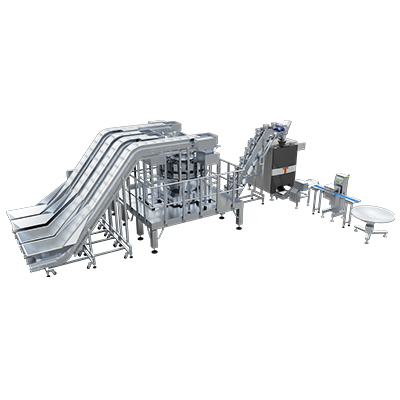
A single machine cannot function in isolation. It must talk to the rest of your facility. How easily does the PLC (Programmable Logic Controller) integrate with your upstream processing equipment and downstream cartoning or palletizing robots? Look for machines utilizing open-architecture PLCs from recognizable brands like Allen-Bradley or Siemens. Ensure the system can send and receive ready signals to prevent product bottlenecks.
Sanitary Design Standards
For food and pharmaceutical buyers, sanitary design is a non-negotiable requirement. Inspect the machine frame carefully. Outline the importance of IP-rated washdown capabilities. An IP65 or IP69K rating ensures the electronics can withstand low or high-pressure water jets during chemical cleaning shifts. Demand stainless steel construction. Look for sloped surfaces on the machine frame; flat surfaces allow water and product dust to pool, creating dangerous bacterial harbor points.
Vendor Support & Parts Availability
Even the best machines occasionally fail. When they do, your OEM's support structure dictates your recovery speed. Prioritize vendors with domestic parts availability. If you operate in North America, buying a machine with parts stocked exclusively overseas invites catastrophic shipping delays. Emphasize rapid technical support. Ask for transparent Service Level Agreements (SLAs) regarding response times. Vendors offering remote diagnostic access via secure VPNs can often troubleshoot software issues in minutes without sending a technician.
Conclusion
Rethinking your packaging line requires careful planning and capital, but the operational rewards heavily outweigh the initial effort. A Vertical Form Fill Seal Machine serves as a strategic lever. It protects your profit margins against rising material expenses and unpredictable labor markets. By moving from expensive pre-made pouches to continuous rollstock, you secure a highly scalable production method.
Your next steps are clear. Conduct a strict time-study on your current manual packaging lines to quantify exactly how much labor you expend per unit. Measure your available vertical facility space to confirm ceiling clearances. Finally, reach out to an established OEM to request a tailored ROI calculation and arrange a physical film-trial using your exact product.
FAQ
Q: What is the average ROI period for a Vertical Form Fill Seal Machine?
A: The average return on investment typically falls between 12 and 18 months. This timeline depends heavily on your current labor costs, the number of shifts you run daily, and the immediate savings gained by switching from pre-made pouches to bulk rollstock film.
Q: Can one VFFS machine run both polyethylene (PE) and laminate films?
A: Yes, but it requires specific jaw configurations. Laminate films use constant heat sealing jaws to melt the inner layers. Polyethylene (PE) films require impulse sealing jaws, which apply a quick burst of heat and immediately cool down so the plastic does not stick.
Q: What is the difference between continuous and intermittent motion VFFS?
A: Intermittent motion machines pause the film briefly to close the sealing jaws, making them ideal for precise, heavy fills. Continuous motion machines never stop the film; the jaws move dynamically with the plastic, allowing for significantly higher throughput speeds.
Q: How much ceiling height is required for a standard VFFS line?
A: A realistic range is typically 12 to 15 feet. You must factor in the height of the bagging machine itself, the product doser or multi-head weigher sitting on top, and the structural mezzanine or platform required for operator access and cleaning.
Automated mesh bagging extends produce shelf life by providing vital airflow. Upgrading your line slashes labor costs, stops product giveaway, and maximizes daily output.
Dust-controlled powder fillers use vacuum extraction and servo-driven augers to package fine materials. These automated systems prevent waste, ensure safety, and maximize ROI.
Horizontal packaging machines use lateral movement to safely package solids, powders, and liquids. These systems ensure leak-proof seals, cut labor costs, and maximize your ROI.
It is a high-tech enterprise specializing in the R&D, design, and independent manufacturing of packaging, conveying, weight detection, weighing, and filling equipment.