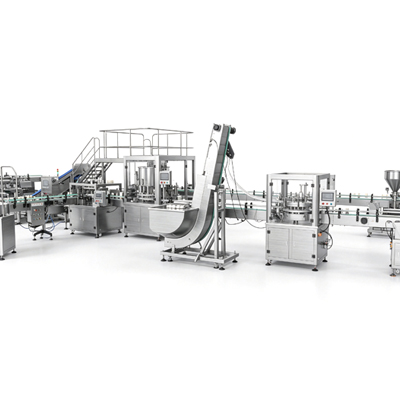
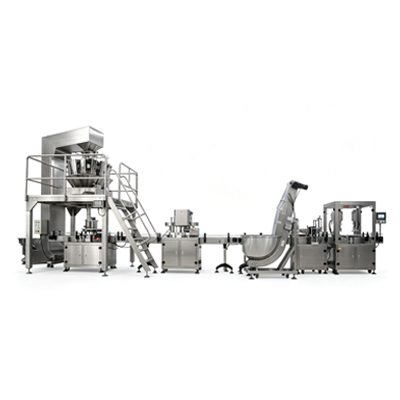
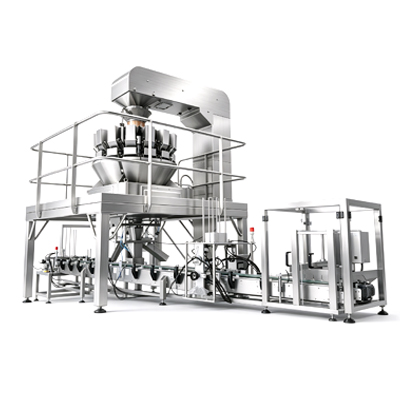
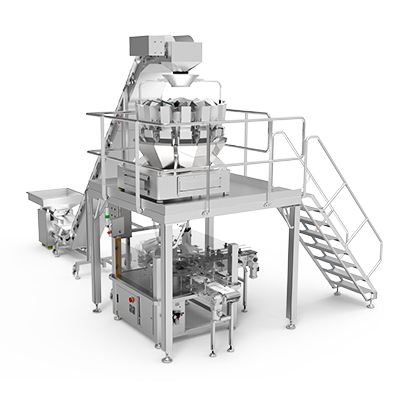
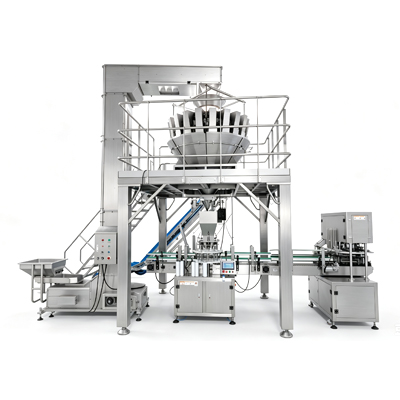
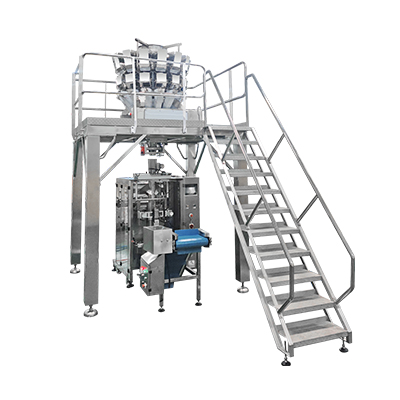
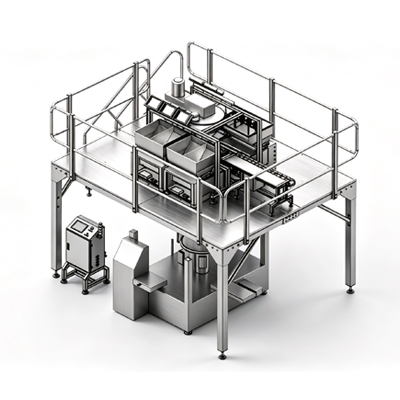
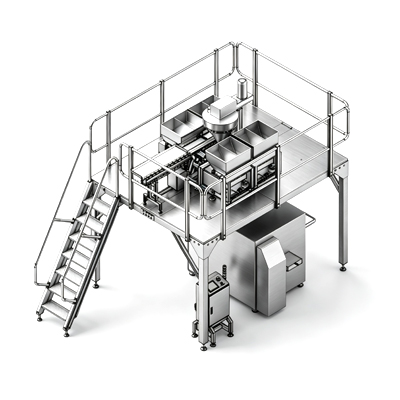
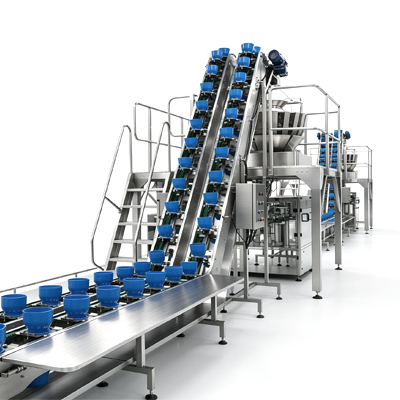
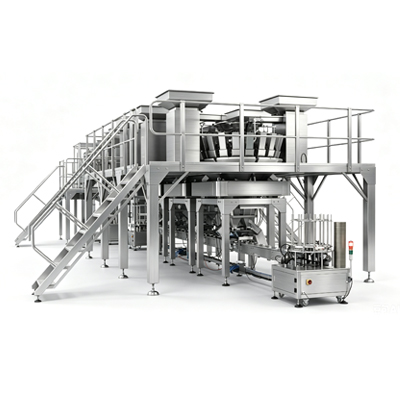
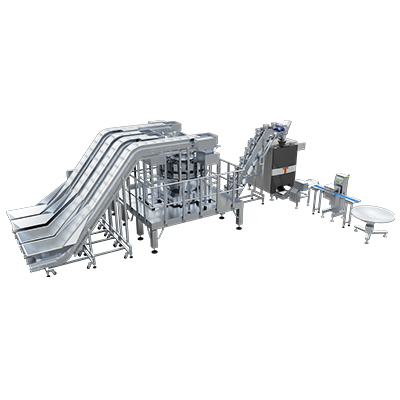
In the fast-paced world of manufacturing and logistics, your production line is only as fast as its slowest component. Automated product flow serves as the definitive heartbeat of modern facilities. It dictates overall output, operational efficiency, and ultimately, your profitability. Maintaining this rhythm, however, is notoriously difficult. Unstable product flow inevitably leads to costly bottlenecks. Poorly engineered transport systems, mismatched equipment speeds, or incorrect belt types frequently cause this instability. These mechanical inefficiencies result in product damage, unexpected downtime, and severely reduced throughput.
Strategic material handling design provides the ultimate solution to these operational headaches. Selecting the appropriate system architecture and integrating intelligent automation allows facility managers to establish seamless, continuous operations. This comprehensive guide explores the engineering principles, equipment selection criteria, and optimization strategies required to design a transport network that guarantees stable automation and maximizes long-term returns.
Recent market analyses highlight a massive shift in material handling priorities. Plant managers are no longer settling for reactive maintenance or isolated machinery. The current industry trend heavily favors predictive, AI-driven transport networks. Facilities are rapidly adopting Industrial Internet of Things integrations, allowing physical lines to dynamically adjust to upstream supply fluctuations. This shift toward smart, modular automation is proving essential for achieving near-zero unplanned downtime in high-volume environments.
Key Takeaways
System Synergy: A meticulously designed transport network synchronizes speed, spacing, and sorting to eliminate automation bottlenecks entirely.
Equipment Selection: The choice between horizontal and elevated transport depends heavily on your facility physical footprint, product characteristics, and specific elevation requirements.
Smart Automation: Integrating Programmable Logic Controllers and smart sensors is non-negotiable for enabling real-time speed adjustments under varying loads.
Industry Compliance: Selecting appropriate materials, like FDA-approved modular plastics and food-grade stainless steel, is essential for meeting stringent hygiene regulations.
Long-term ROI: Avoiding common structural errors and partnering with a consultative manufacturer significantly reduces the Total Cost of Ownership.
The Role of a Packaging Conveyor in Automated Production Lines
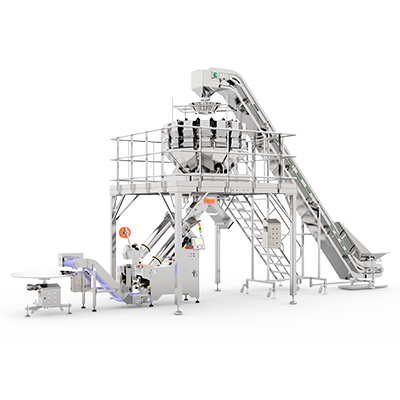
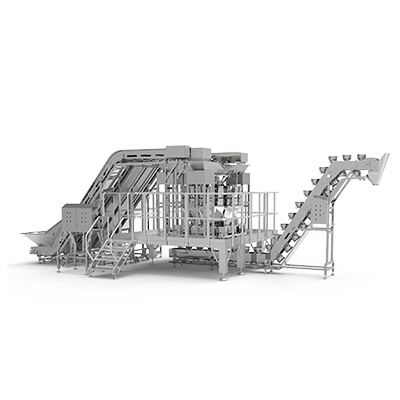
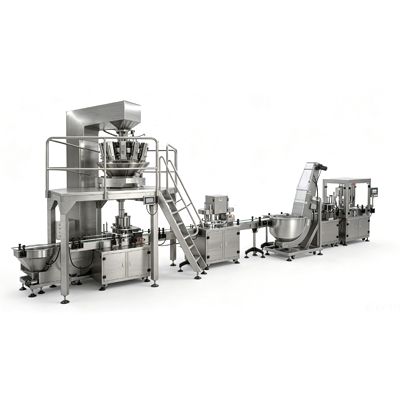
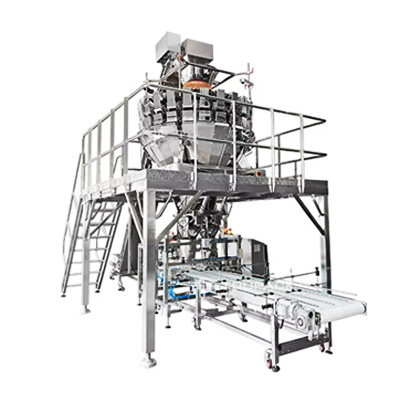
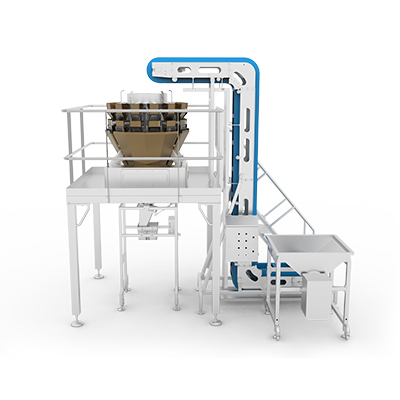
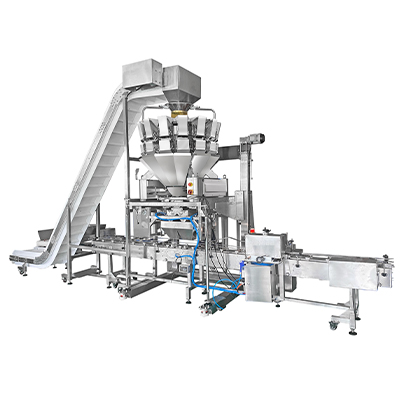
From an engineering perspective, a well-calibrated packaging conveyor is not merely a passive transport mechanism. It acts as the structural backbone of any automated environment. It bridges the physical gaps between isolated machinery, transforming discrete, manual processes into a cohesive production line. The core architecture consists of several interdependent mechanical components. These include precisely calibrated infeed units, high-torque drive motors, durable transport mediums like belts or rollers, automated sorting diverters, and outfeed transition plates.
For the entire system to function effectively, these individual components must operate in perfect mechanical harmony. Drive motors must provide consistent, unwavering torque. Simultaneously, belts require exact tensioning to prevent micro-slippage during heavy payload surges. When engineered correctly, this robust architecture ensures a stable, continuous flow from the primary filler or wrapper all the way to the final palletizing station.
The transition from manual material handling to automated production lines fundamentally rewrites plant economics. Automated systems entirely eliminate the physical limitations, operator fatigue, and handling variability inherently associated with human labor. By maintaining a constant, mathematically calculated speed, these mechanical systems drastically increase product throughput.
Engineered transport reduces direct labor costs by reallocating human resources to higher-value tasks like quality control and machine supervision. Key performance metrics, particularly Overall Equipment Effectiveness, typically show immediate and marked improvement following the installation of a synchronized transport line. The end result is a highly scalable operation capable of meeting aggressive market demands with unwavering consistency.
Flat Belt vs. Inclined Belt: A Practical Selection Guide
Selecting the correct structural configuration is the first major engineering decision in the design phase. It directly impacts the facility layout, operational efficiency, and worker safety. The two most prominent configurations serve distinctly different operational purposes. You must match the equipment to the exact physical demands of your product.
When to Use a Flat Belt Conveyor for Packaging
A standard flat belt conveyor remains the undisputed industry choice for horizontal transport across a single elevation plane. This specific configuration is ideal for moving products that feature stable, flat bottoms. Think corrugated boxes, rigid plastic trays, and sealed blister packs. It is heavily favored in scanning, automated labeling, and vision inspection stations where absolute product stability is paramount.
Modern flat systems utilize extruded aluminum profiles or SUS304 stainless steel frames, supporting PVC or PU belts. These systems comfortably handle variable speeds up to 50 meters per minute depending on the drive configuration. The primary benefits include incredibly smooth product transitions, ultra-high-speed capabilities, and vastly simplified maintenance routines. Because the transport medium operates on a completely flat slider bed, the risk of product tipping is virtually eliminated.
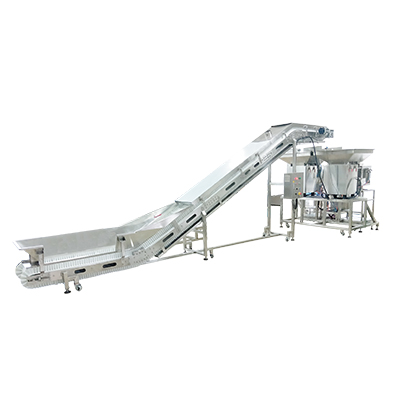
Maximizing Space with an Inclined Belt Conveyor
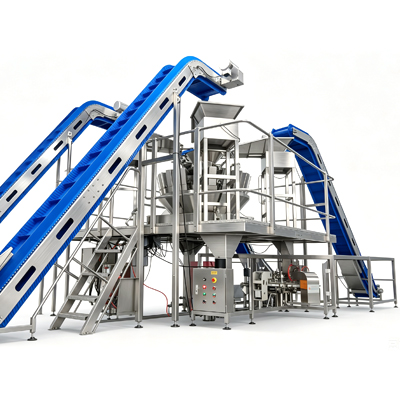
Modern manufacturing facilities frequently grapple with severe floor space constraints. This necessitates creative, multi-level production layouts. When products must traverse different elevations, an inclined belt conveyor becomes indispensable. You might need to move a sealed bag from a floor-level wrapper up to an overhead mezzanine sorting line.
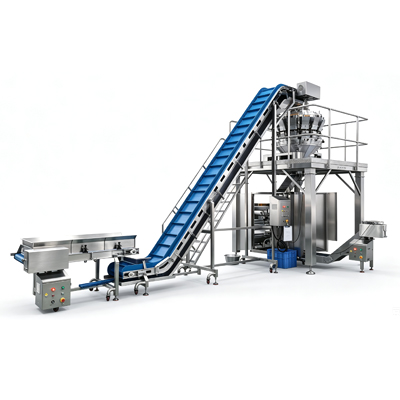
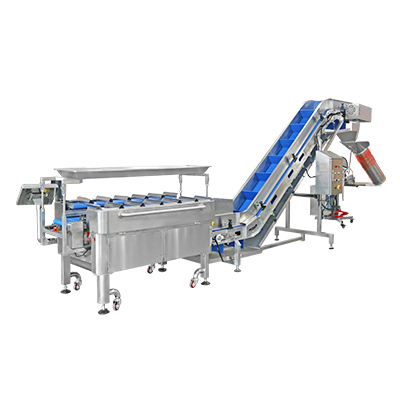
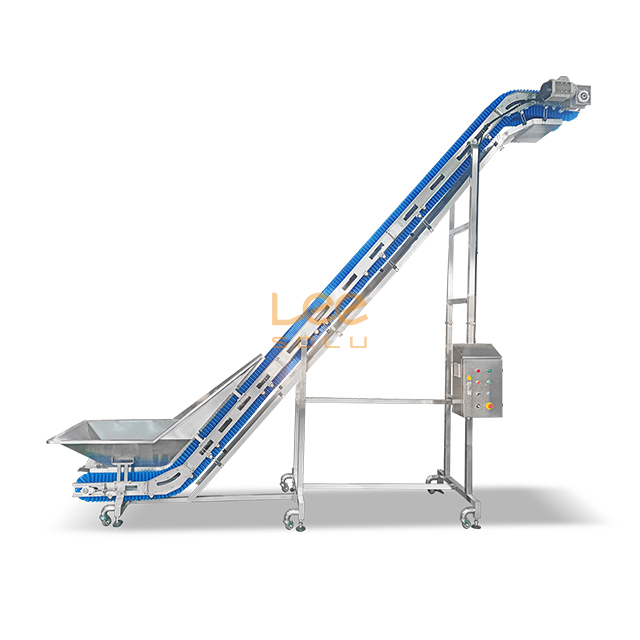
To safely transport items against the force of gravity and prevent backward sliding during steep elevation changes, engineers deploy specialized mechanical features. We utilize cleated belts with specific pitch heights, high-friction rough-top rubberized surfaces, or textured modular plastic flights. These elements physically secure the product during vertical transit at angles typically ranging from 15 to 45 degrees. This vertical integration strategy is a crucial tactic for maximizing the usable cubic volume of any manufacturing plant.
Decision Matrix: Flat vs. Inclined
To facilitate objective equipment selection, plant engineers can refer to the following baseline comparison matrix when evaluating their options.
Elevation changes upward or downward, space optimization
Product Stability
Excellent. Ideal for top-heavy or fragile items.
Moderate. Requires cleats or friction materials for loose items.
Facility Footprint
Requires extensive linear floor space.
Utilizes vertical space highly efficiently.
Maintenance Complexity
Low. Easy access to belts, rollers, and drives.
Medium. Requires precise tensioning for gravity loads.
Core Design Principles for Stable Product Flow
Speed Synchronization and Accumulation
Stable product flow relies entirely on the mechanical engineering principle of accumulation. In any complex automated line, downstream machines like robotic palletizers or case sealers will occasionally pause for material changes or minor faults. This is inevitable. If the transport network cannot accommodate this temporary pause, products will crash into each other. This causes immediate jams, crushed primary packaging, or forces a catastrophic emergency stop across the entire facility.
Engineers solve this by designing dedicated accumulation zones. These areas allow products to queue up safely without building excessive back-pressure. Variable Frequency Drives play a pivotal role here. They precisely control and modulate motor speeds, matching the transport pace exactly to the processing rates of adjacent packaging machines. This dynamic synchronization ensures products arrive at the exact millisecond the next machine is ready to receive them.
Minimizing Product Damage and Jams
Imagine a high-speed bottling line where tall, unstable glass containers transition from a liquid filler to a rotary capper. A mere millimeter of vertical misalignment at the transfer plate can cause a micro-stoppage. This creates a domino effect that halts the entire shift. The majority of product damage occurs precisely at these transfer points. These are the physical gaps where one belt ends and another begins.
To mitigate tipping or stalling, structural engineers utilize precisely machined dead plates, powered roller transfers, or micro-pitch belts with small-diameter nose bars. These specific components bridge the physical gap seamlessly without catching product edges. Adjustable guide rails lined with low-friction UHMW polyethylene funnel products into the correct orientation without causing abrasive scuffing to delicate labels.
Material Selection and Payload Capacity
Calculating the necessary motor power and belt tensile strength is a non-negotiable step in the design phase. Overloading a system is a critical error. It leads to premature motor burnout, excessive belt stretching, and sudden mechanical failures on the production floor. Engineers must rigorously calculate the total payload capacity by evaluating the maximum weight of products on the belt at any given second.
Material selection dictates long-term performance. Modular plastic belts offer extreme impact durability and facilitate rapid repairs. Polyvinyl Chloride belts provide a cost-effective solution for dry goods. Polyurethane belts deliver exceptional resistance to industrial fats and cutting oils. The chosen material friction coefficient must align perfectly with the product packaging to prevent unwanted slippage.
Integrating PLC and Automation into Your Conveyor System
Mechanical design provides the physical muscle, but digital automation provides the intelligence. Programmable Logic Controllers act as the central nervous system of the automated line. Rather than running blindly at a static speed, an integrated network reacts to real-time shop floor conditions.
These controllers continuously process high-speed data streams from the entire line. If a downstream sensor detects a backup, the system instantly fires a signal to the upstream drive to slow down or halt. This safely initiates the accumulation protocol. This precise, microsecond-level mapping prevents bottlenecks before they physically manifest. It ensures the system recovers smoothly once the fault clears, entirely without requiring manual operator intervention.
The operational effectiveness depends entirely on the quality of sensory inputs. A sophisticated network of photoelectric sensors, high-speed vision cameras, and RFID trackers is distributed along the frame. They monitor product position, barcode integrity, and spatial orientation.
When a vision system detects a defective package like an unsealed carton flap or a smeared label, it immediately communicates with the main controller. The system then activates automated sorting mechanisms. High-speed pneumatic pushers or mechanical diverter arms seamlessly strike the flawed item, rejecting it into a secondary bin without interrupting the continuous flow of acceptable products.
Industry-Specific Packaging Conveyor Solutions
Food and Beverage Hygiene Compliance
In the food and beverage sector, hygiene dictates every facet of design. Transport systems must strictly comply with regulatory standards to prevent catastrophic bacterial contamination. Systems engineered for these harsh environments utilize 304 or 316-grade stainless steel frames featuring continuous, TIG-welded seams. This eliminates the microscopic crevices where pathogens typically hide.
Picture a meat processing facility at the end of a shift. The equipment must survive aggressive, high-pressure, high-temperature chemical washdowns daily. Drive motors and sensors must carry high Ingress Protection ratings like IP69K. Belts are typically constructed from easy-to-clean, non-porous modular plastics featuring open-hinge designs for rapid water drainage.
Pharmaceuticals and Cosmetics
The pharmaceutical and cosmetic industries demand extreme precision and uncompromising contamination control. Products like glass vaccine vials, pre-filled syringes, or delicate cosmetic jars are highly susceptible to breakage, surface scratching, and particulate contamination.
Systems deployed in these sectors prioritize ultra-gentle handling. They utilize heavily padded guide rails, customized pucks to hold individual bottles, and ultra-smooth transfer points. The equipment must often be cleanroom-compatible. This necessitates the use of anti-static belt materials that do not generate airborne dust through friction, alongside fully enclosed motor housings that prevent lubricant leakage.
E-commerce and Heavy Logistics
In stark contrast, e-commerce fulfillment centers and heavy logistics hubs prioritize brute durability and high-throughput sorting. These massive systems must manage heavy, irregularly shaped loads, ranging from dense corrugated boxes to loose polybags.
Equipment designed for fulfillment centers requires heavy-duty modular plastic or thick, multi-ply PVC belts with superior impact resistance. They must withstand the shock of heavy parcels being dropped directly onto the moving line. They feature robust, high-speed sorting technologies capable of routing heavy packages to dozens of different shipping lanes at speeds exceeding hundreds of units per minute.
Expert Insights: Common Pitfalls in Conveyor Design
Overlooking Infeed and Outfeed Transitions
A remarkably common engineering mistake is focusing solely on the transport belt itself while completely neglecting the transition points between machinery. Industry data consistently shows that up to 90 percent of product flow instability occurs in the few inches of space between a machine discharge chute and the receiving belt.
Failing to bridge these specific gaps correctly results in products tipping over, which causes immediate micro-stoppages. Plant engineers must demand detailed 3D CAD integration during the initial design phase. Utilizing dead plates, powered transfer rollers, or cascading belt designs ensures zero-drop transitions that keep products perfectly upright.
Ignoring Ergonomics and Maintenance Accessibility
Designing a system that performs beautifully but is impossible to maintain is a massive structural oversight. If a worn belt takes a maintenance crew four hours to replace because the entire steel frame must be disassembled, the resulting downtime costs can cripple your profit margins.
Best practices dictate designing strictly for ergonomics and rapid accessibility. Modern systems should feature quick-release belt tensioners, cantilevered frames that allow for side-loading belt removal, and externally mounted drive motors. Optimizing the Mean Time To Repair is just as critical to long-term success as optimizing the initial line speed.
Underestimating Future Capacity Needs
Procuring a system based strictly on today production volume is a short-sighted financial decision. As a business successfully scales and adds new product lines, an underpowered, rigid transport system will rapidly become a permanent operational bottleneck.
Facility managers should aggressively avoid rigid, fully welded monolithic systems. Invest in modular designs instead. Modular aluminum or bolted stainless-steel frames allow for future scalability. Belt sections can be lengthened, new accumulation zones can be inserted, and motor drives can be upgraded without tearing out the original infrastructure. This modularity safeguards your initial capital investment.
How to Choose the Right Manufacturing Partner
The final step in establishing a stable automated line is selecting a manufacturing partner capable of executing complex engineering requirements. Standard, off-the-shelf solutions rarely succeed in highly integrated, customized automated environments. Every single facility has unique spatial constraints, distinct product dimensions, and specific environmental challenges.
Decision-makers must thoroughly evaluate supplier engineering depth. A reliable manufacturer acts as a consultative partner rather than a simple catalog vendor. Look for suppliers who offer comprehensive 3D CAD modeling. This allows you to visually verify how the equipment will integrate with your existing floor plan before any metal is cut. They should possess the technical capability to design bespoke solutions, custom cleat profiles, or unique pneumatic diverters tailored precisely to your product footprint.
Purchasing decisions must be anchored in the Total Cost of Ownership, not merely the initial capital expenditure. A cheaper system that requires frequent belt tracking adjustments, consumes excessive electrical power, or causes weekly maintenance downtime will ultimately cost exponentially more over a five-year lifespan. Scrutinize the energy efficiency ratings of the proposed drive motors, the documented wear-lifespan of the belt materials, and the immediate availability of spare parts.
Conclusion
Achieving a stable automated product flow demands meticulous design and strategic foresight. Choosing the correct structural framework prevents costly production bottlenecks. Integrating smart controllers and vision sensors transforms a passive belt into an intelligent, highly responsive transport network that adapts to real-time conditions.
A well-optimized system is far more than a simple piece of material handling equipment. It represents a strategic, long-term investment in your plant overall profitability and scalability. We strongly encourage facility managers to evaluate their current production lines, identify hidden inefficiencies, and upgrade their infrastructure. Ready to eliminate bottlenecks and optimize your product flow? Explore the full range of engineered solutions at Leesolu to find the exact system matched to your operational demands.
FAQ
What is the best type of equipment for a packaging line?
The optimal choice depends entirely on your specific application, product type, and facility layout. A horizontal flat system is best for standard transport, labeling, and vision inspection stations due to its stability. Conversely, an elevated or inclined system is absolutely necessary for vertical elevation changes and optimizing limited floor space in multi-level facilities.
How does the system handle delicate and fragile products?
Engineers protect delicate products like glass vials or easily scuffed cosmetics by utilizing smooth-stepped transitions and low-friction modular belt materials. Variable speed controls are implemented to prevent sudden jerks. Padded, adjustable guide rails ensure gentle handling, preventing any physical impact damage during rapid transit.
What typically causes bottlenecks in automated production lines?
Bottlenecks are usually the direct result of mismatched machine processing speeds or a critical lack of properly sized accumulation zones. Poorly engineered transition points that cause products to tip, or utilizing the incorrect belt friction material that causes slippage, can severely disrupt continuous automated flow.
Can I integrate new transport equipment into my existing PLC system?
Yes, modern automated systems are specifically engineered with open-architecture sensors and variable frequency drives. These digital components are designed to integrate seamlessly with your existing plant networks like Allen-Bradley or Siemens. This allows for centralized, precise, and highly responsive automated control of the entire production line.
How do you calculate the required belt speed for a packaging line?
Belt speed is calculated by dividing your target production rate by the product density on the belt. Engineers factor in the product length, the required spacing gap between products for sensor detection, and the processing speed of downstream machinery. Proper calculation prevents both product starvation and excessive accumulation.
What are the standard maintenance protocols for automated transport systems?
Standard maintenance involves daily visual inspections for belt tracking alignment and debris clearance. Weekly protocols include checking motor temperature, verifying sensor cleanliness, and inspecting bearing lubrication. Implementing a predictive maintenance schedule based on run-hours dramatically extends the lifespan of your mechanical components and prevents sudden failures.
Automated mesh bagging extends produce shelf life by providing vital airflow. Upgrading your line slashes labor costs, stops product giveaway, and maximizes daily output.
Dust-controlled powder fillers use vacuum extraction and servo-driven augers to package fine materials. These automated systems prevent waste, ensure safety, and maximize ROI.
Horizontal packaging machines use lateral movement to safely package solids, powders, and liquids. These systems ensure leak-proof seals, cut labor costs, and maximize your ROI.
It is a high-tech enterprise specializing in the R&D, design, and independent manufacturing of packaging, conveying, weight detection, weighing, and filling equipment.