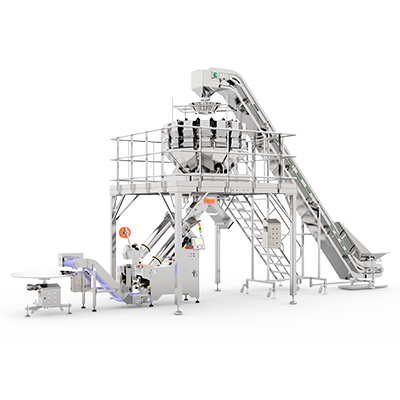
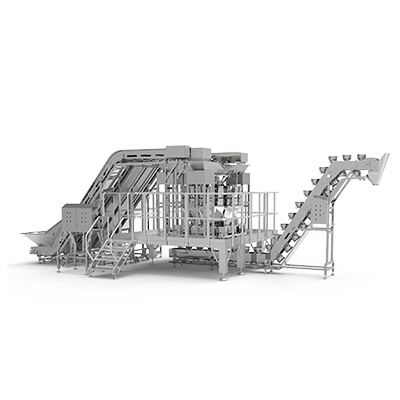
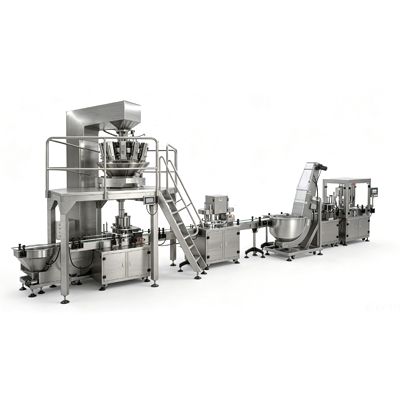
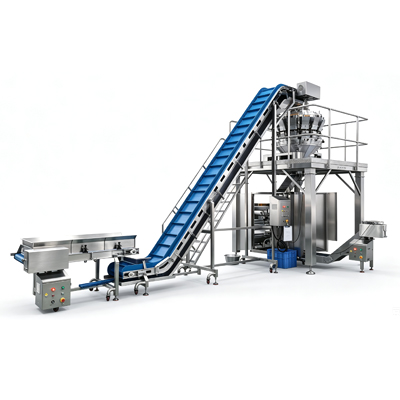
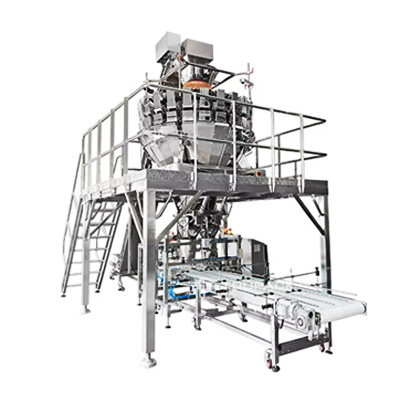
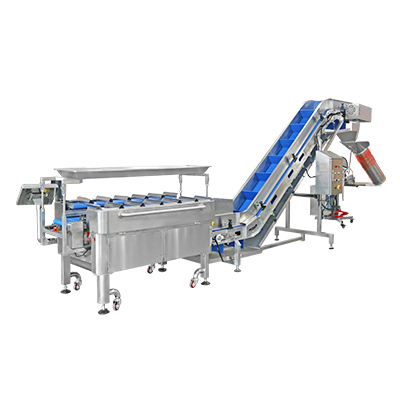
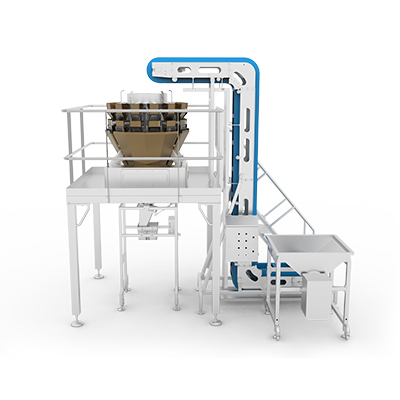
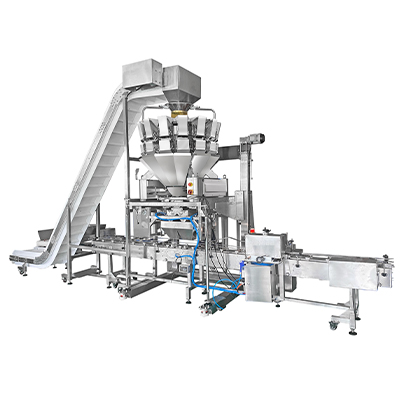
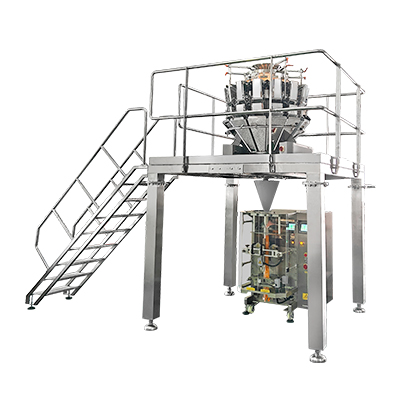
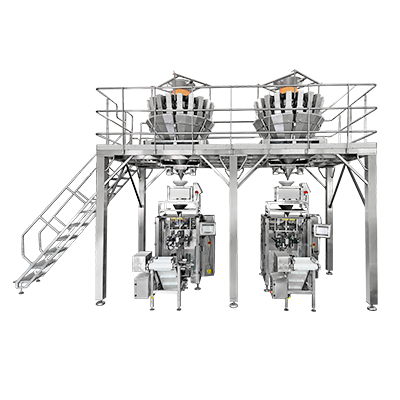
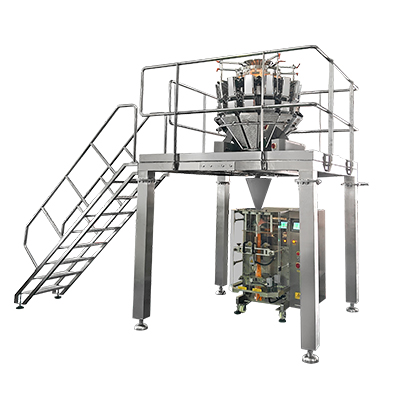
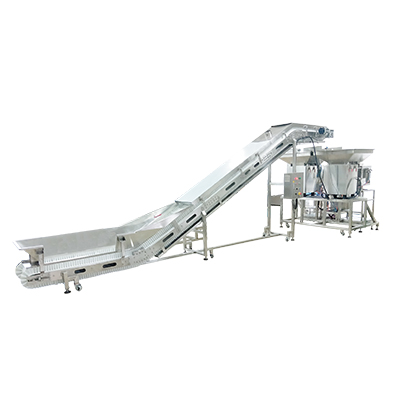
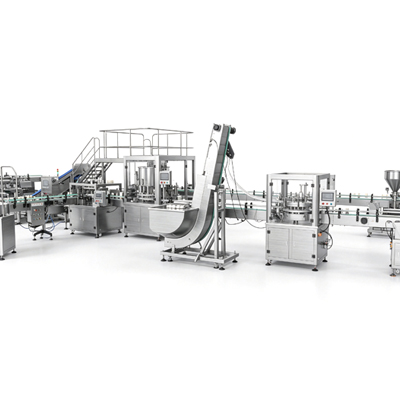
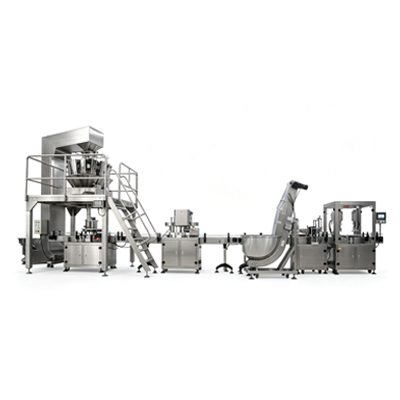
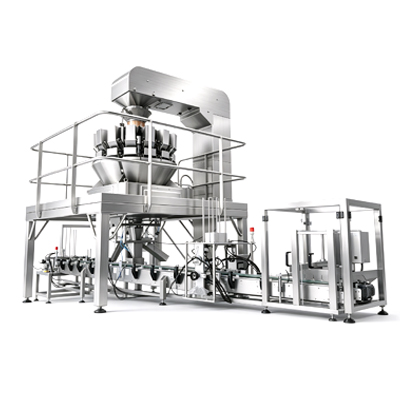
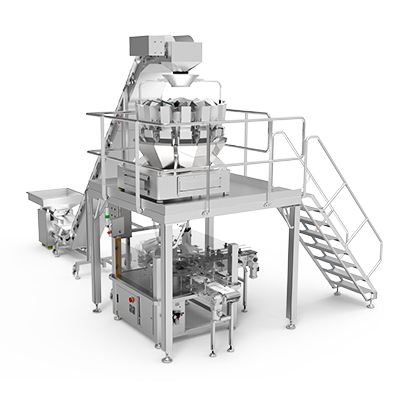
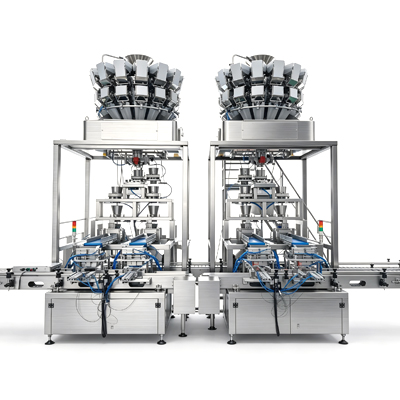
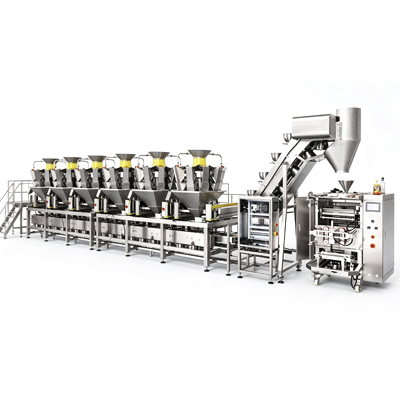
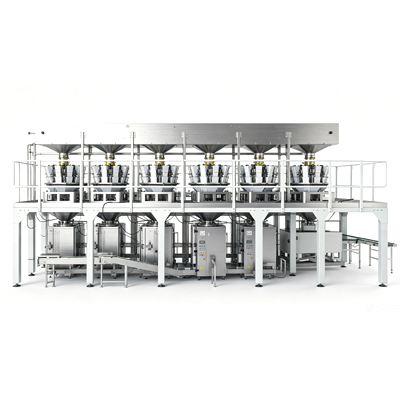
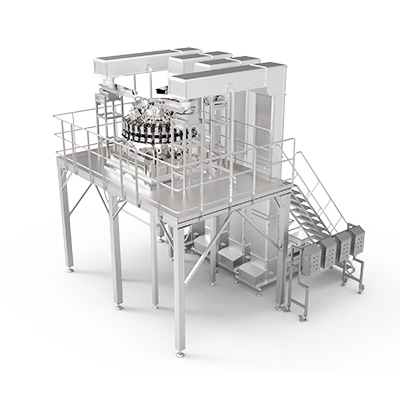
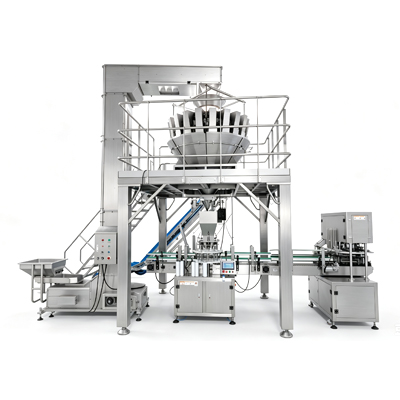
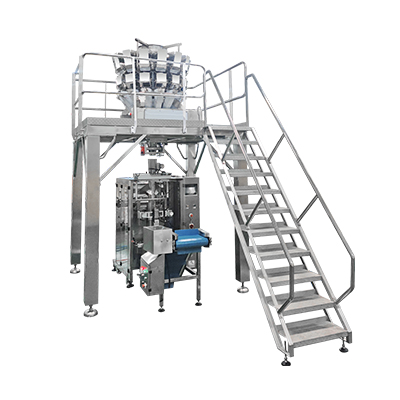
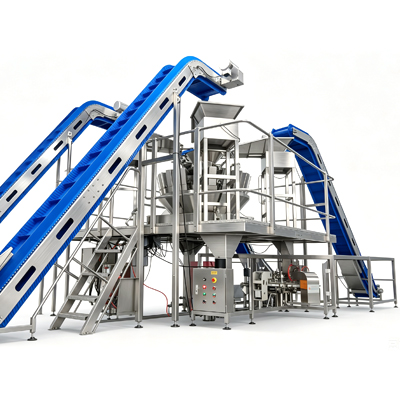
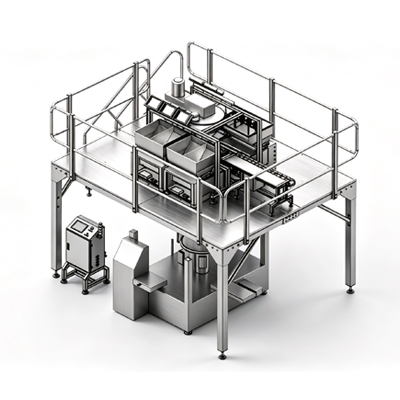
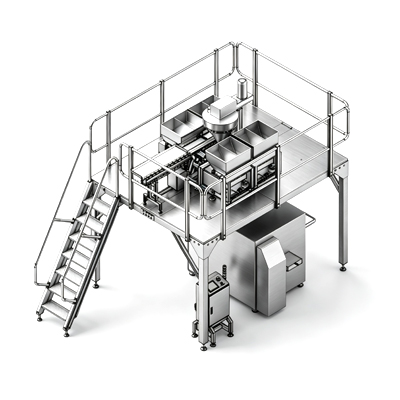
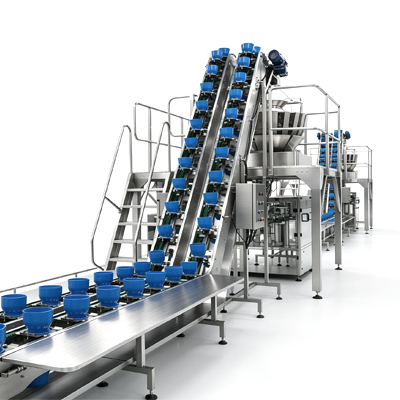
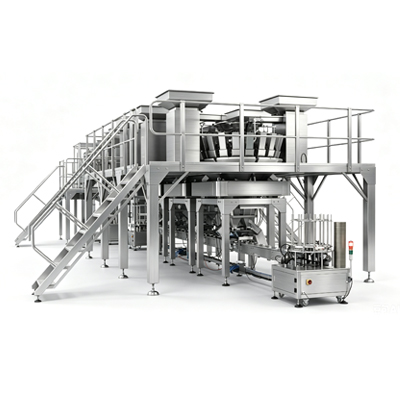
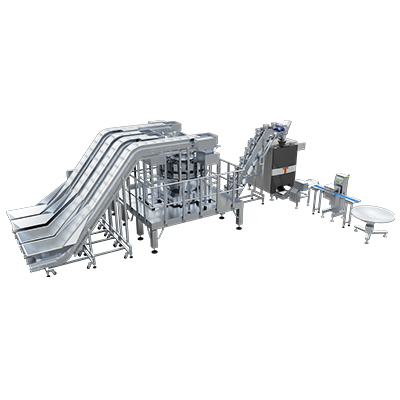
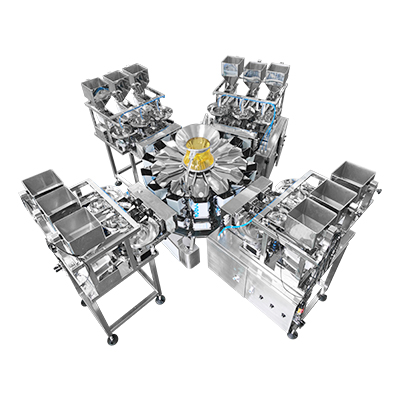
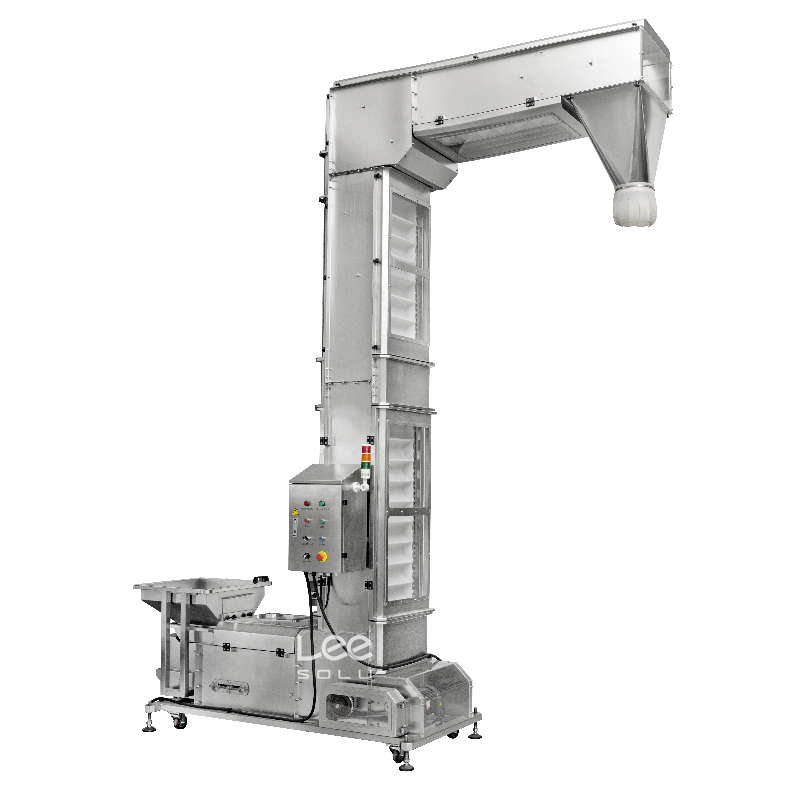
In automated packaging lines, the efficiency of a multihead weigher depends entirely on its upstream material supply. Erratic product flow ruins productivity on the floor. Material degradation during transfer causes immediate waste. Mismatched equipment capacities lead to scale starvation or system overfeeding. These specific issues inflate giveaway rates and destroy operational profitability. Achieving optimal packaging throughput requires precise mechanical and electronic synchronization. You must align bulk material handling directly with the weighing system. This guide breaks down the operational mechanics from the ground up. We explore configuration options, sensor integration, and technical evaluation criteria for integrating a Bucket Elevator with a multihead weigher. Proper setup eliminates bottlenecks, reduces product breakage, and ensures your packaging line hits target cycles per minute without constant operator intervention.
Consistent Product Flow is Critical: A bucket elevator must deliver a continuous, regulated supply of bulk material to the weigher’s infeed funnel to maintain target packaging speeds.
Design Dictates Product Integrity: Selecting the correct elevator configuration—such as a Z type bucket elevator—minimizes drop heights and prevents damage to fragile products.
Synchronization Requires Sensor Integration: Effective feeding relies on level sensors and Variable Frequency Drives (VFDs) to create a closed-loop communication system between the scale and the conveyor.
Sanitation Standards are Non-Negotiable: For consumable products, specifying a certified food grade bucket conveyor is mandatory to meet regulatory compliance and facilitate rapid washdowns.
The Mechanics of the Feed: From Bulk Storage to Scale
The Infeed Phase (Boot and Inlet Chute)
The initial loading process begins at the base of the machine. Bulk product enters the elevator boot via the inlet chute. Operators must choose the correct loading mechanism based on the material they handle daily. Direct-feed systems drop material directly into overlapping buckets. This method prevents product damage and suits fragile items like baked goods or delicate snacks. The tolerances between the feeding mechanism and the bucket lips must remain tight. If the gap grows too large, product spills into the boot casing.
Boot-scooping forces buckets to dredge through pooled material at the bottom of the casing. Facilities use this rugged approach for durable aggregates, grains, or hardware. However, boot-scooping destroys delicate products through constant friction and crushing forces. To optimize the infeed, plant engineers often install vibratory feeders. These feeders pre-regulate the flow into the buckets. They prevent mechanical jamming at the inlet and ensure uniform bucket fill levels. Controlling the input volume guarantees the elevator lifts a consistent payload during every single cycle.
Vertical Transport and Bucket Dynamics
The system uses a continuous loop mechanism. It lifts bulk materials from a lower point to a higher elevation. Heavy-duty chain drives power high-capacity loads. They handle significant weight without stretching immediately. Over time, however, chains elongate. Maintenance teams must adjust tensioners regularly. If they ignore tensioning, the chain slaps against the casing, causing premature wear and metal shavings.
Belt-driven systems run quieter. Plant managers prefer them in sanitary environments because they lack chain links that trap debris and bacteria. Material retention during the vertical climb relies on bucket overlap and proper tensioning. Tight chain or belt tensioning prevents bucket swing. This keeps product securely inside during vertical transit. Mitigating swing ensures material reaches the top without spilling down the elevator shaft. Spillage creates a massive mess in the boot and requires immediate downtime for cleaning.
The Transfer Point: Discharging into the Weigher's Infeed Funnel
The discharge spout sits at the elevator head. Buckets transition over the top sprocket and release product. The material falls into the multihead weigher’s top cone. This cone acts as a dispersion feeder. It vibrates to distribute product radially to the individual weigh hoppers. The drop must remain perfectly centered. If the elevator discharges off-center, half the weigh hoppers starve while the other half overfill.
A single elevator outlet can serve multiple destinations. You can install a gravity diverter valve at the discharge point. This valve uses specialized spouting to supply twin multihead weighers simultaneously. Split-chute configurations also divide the product stream evenly. This maximizes the utility of one lifting system and feeds two separate packaging machines from a single bulk source.
Synchronization: Matching Elevator Output to Weigher Capacity
Sensor-Driven Flow Control
Photo-eye sensors monitor product levels actively. They shoot a beam across the dispersion cone. When the product piles high enough to block the beam, the sensor signals the elevator to stop. When the weigher consumes the product and the beam clears, the elevator restarts. This simple logic prevents massive pileups.
Load cells sit within the weigher’s infeed funnel to detect the exact volume and weight of resting product. These sensors dictate the start and stop sequences of the elevator with higher precision than photo-eyes. They modulate speed to maintain an optimal product head. This closed-loop communication prevents the scale from running empty and ensures continuous packaging cycles.
Variable Frequency Drives (VFDs) and PLC Handshakes
Variable Frequency Drives (VFDs) control the elevator motor. They ensure smooth acceleration and deceleration. Sudden stops cause swinging buckets, which spill product down the shaft. A VFD ramps the motor speed up and down gently. Programmable Logic Controllers (PLCs) manage the entire system logic. The elevator's control panel must execute a digital handshake with the weigher's operating system. They share run-status, fault codes, and speed commands continuously over Ethernet or standard relay logic.
Preventing Starvation and Overfeeding
Starvation occurs when the scale waits for product. This causes missed cycles, empty bags, and lost production time. Overfeeding happens when product pools heavily on the dispersion cone. Excessive weight on the central cone causes inaccurate radial distribution. The vibratory feeder cannot move a massive mountain of product evenly. This leads to weight inaccuracies in the final package.
You must tune the feed rate carefully. Follow these steps to achieve equilibrium:
Calculate the exact cycles-per-minute (CPM) of the packaging machine.
Determine the target weight per package.
Multiply the CPM by the target weight to find the required pounds-per-minute throughput.
Adjust the vibratory infeed pan to deliver exactly that volume into the buckets.
Set the VFD baseline speed to match this continuous flow rate, minimizing start/stop cycles.
Evaluating Bucket Elevator Configurations for Packaging Lines
The Role of the Z Type Bucket Elevator
A Z type bucket elevator features a distinct structural layout. It has a horizontal infeed, a vertical lift, and a horizontal discharge. This configuration is the industry standard for feeding multihead weighers. It bypasses the need for secondary transfer conveyors. You can load product at an accessible, low elevation directly from a primary processing line. The machine then transports and discharges directly over the tall weighing equipment. This single-unit approach reduces maintenance points and saves valuable floor space.
Centrifugal vs. Pendulum (Continuous) Bucket Designs
Centrifugal discharge operates at high speeds. It relies on centrifugal force to fling material out of the bucket as it rounds the top sprocket. The product hits the discharge spout with significant force. This works best for durable, granular, or powdery products like grain, sand, or hard candies.
Pendulum or continuous discharge systems operate differently. Buckets remain upright throughout the entire loop. They gently tip on a mechanical cam at the discharge point. The product pours out smoothly. This gentle action is mandatory for fragile, coated, or premium products. If you run potato chips through a centrifugal elevator, you will end up packaging expensive dust.
Footprint and Facility Layout Constraints
Ceiling height dictates your maximum discharge elevation. You must leave enough clearance above the multihead weigher for the elevator head and the transition chute. Floor space limits the horizontal run of the infeed section. The physical dimensions of the multihead weigher determine the required clearance below the discharge point. You must calculate the elevator's incline angle and structural footprint accurately before installation. Tight layouts often require custom frame modifications to fit around existing catwalks, support mezzanines, or HVAC ductwork.
Material Handling and Product Integrity Trade-Offs
Minimizing Drop Height and Product Breakage
Product degradation carries a heavy financial impact. Dust generation creates cleaning hazards and combustible dust risks. Broken pieces result in lost yield and rejected bags. Engineering solutions mitigate these risks effectively. Custom transition chutes soften the impact from the bucket to the scale. Baffled descents slow the product down by forcing it to zig-zag through the chute. Optimized discharge angles guide the material gently onto the dispersion cone rather than dropping it straight down.
Managing Specific Bulk Product Characteristics
Different products require specific handling strategies to maintain throughput and quality. Free-flowing products like rice and nuts require tight containment. Overlapping bucket lips prevent sifting and spillage during transit. Sticky products like gummies or fresh meat require dimpled bucket surfaces. These surfaces reduce the contact area, preventing the product from acting like a suction cup. Active scraping or air-blast discharge mechanisms ensure complete bucket emptying. Fragile products like cookies require zero-drop transfers and slow-speed continuous feeding.
Product Type
Common Examples
Primary Handling Challenge
Recommended Elevator Feature
Free-Flowing
Rice, Beans, Nuts
Sifting and spillage between buckets
Overlapping bucket lips, tight tolerances
Sticky / Wet
Gummies, Fresh Meat, Pet Food
Product clinging to bucket walls
Dimpled surfaces, air-blast discharge
Fragile / Brittle
Potato Chips, Cookies, Crackers
Breakage from high drop impacts
Pendulum buckets, baffled transition chutes
Powder / Granular
Sugar, Spices, Flour
Dust generation and airborne loss
Fully enclosed casing, dust extraction ports
Compliance and Sanitation: Specifying a Food Grade Bucket Conveyor
Sanitary Design Standards (IP65/IP69K)
Dry washdown environments require basic dust protection and low-pressure water resistance (IP65). Wet washdown environments demand high-pressure, high-temperature water resistance (IP69K). A true food grade bucket conveyor meets strict baseline requirements for these environments. Tubular stainless steel frames prevent water pooling. Flat surfaces are banned because they hold stagnant water. Sloped surfaces shed debris naturally. Sanitary continuous welds eliminate bacterial harborage points, ensuring compliance with strict health regulations and FDA audits.
Material Selection for Buckets and Belts
FDA-approved high-density polyethylene (HDPE) suits general food applications. It is durable and cost-effective. Polyurethane offers higher flexibility and wear resistance, making it ideal for abrasive food products. Dimpled stainless steel buckets handle aggressive cleaning protocols and sticky items. Monolithic belts eliminate the hinges and pins found in traditional chain drives. This removes all lubrication requirements. It drastically reduces cross-contamination risks and simplifies daily maintenance routines.
Implementation Risks and Mitigation Strategies
Integration Bottlenecks
Purchasing the elevator and weigher from different OEMs introduces massive risk. You may face mismatched throughput specs where the elevator cannot keep up with the scale. Incompatible wiring causes communication failures between the PLC and the VFD. Physical misalignment at the discharge spout leads to constant spillage on the floor. Demand a unified Factory Acceptance Test (FAT) before shipment. Run your actual product through the combined system on the manufacturer's floor. Alternatively, utilize a single-source systems integrator to ensure seamless mechanical and electrical compatibility.
Maintenance Accessibility and Downtime Prevention
Difficult-to-clean elevators carry a massive operational cost. Extended sanitation shifts eat directly into production time. Highlight necessary features during procurement to save labor hours later. Tool-less bucket removal speeds up washdowns significantly. Clean-out doors at the boot allow quick debris removal without unbolting heavy panels. Accessible chain tensioners simplify routine adjustments for the maintenance crew. Washdown-rated motors survive daily chemical cleaning without shorting out.
Conclusion
Conduct a physical material flow test with your specific product to determine the exact bucket style and discharge angle required.
Audit your available ceiling height, floor space, and structural supports to confirm discharge clearances before ordering equipment.
Consult with a systems integrator to map out the exact PLC communication strategy and sensor placement between the elevator and the scale.
Demand a unified Factory Acceptance Test (FAT) using your actual bulk material prior to final installation on your facility floor.
FAQ
Q: How does a bucket elevator connect to a multihead weigher?
A: The elevator connects via the discharge spout located at its highest point. Product transitions from the buckets into the weigher's top infeed funnel. Facilities often utilize a custom transition chute or a gravity diverter valve to guide the material smoothly onto the dispersion cone.
Q: Why is a Z type bucket elevator preferred for packaging lines?
A: The Z-configuration allows operators to load product at a low, accessible point. It then lifts the material vertically and discharges it directly over the scale. This design eliminates the need for additional horizontal transfer conveyors, saving floor space and reducing product handling.
Q: How do you prevent a bucket elevator from overfeeding the scale?
A: You prevent overfeeding by installing level sensors in the weigher's top cone. These sensors monitor product volume. They send signals to the elevator's Variable Frequency Drive (VFD) to pause or slow down product delivery, creating a precise closed-loop feeding system.
Q: What makes a bucket elevator food grade?
A: Food grade models feature FDA-approved bucket materials like HDPE or polyurethane. They utilize tubular stainless steel construction to prevent water pooling. They also incorporate IP-rated washdown motors and continuous sanitary welds that prevent bacterial growth during operation.
Q: Can a bucket elevator handle fragile products like potato chips?
A: Yes. For fragile products, facilities use pendulum-style continuous elevators. These buckets remain upright and gently tip the product at the discharge point. This avoids the throwing action of centrifugal force, minimizing breakage and preserving product integrity.
Q: What is the difference between centrifugal and continuous bucket elevators?
A: Centrifugal models operate at high speeds, flinging material out of the buckets into the spout using centrifugal force. Continuous models operate slower. Their buckets overlap and gently tip the material out, making them ideal for fragile or premium products.
Automated mesh bagging extends produce shelf life by providing vital airflow. Upgrading your line slashes labor costs, stops product giveaway, and maximizes daily output.
Dust-controlled powder fillers use vacuum extraction and servo-driven augers to package fine materials. These automated systems prevent waste, ensure safety, and maximize ROI.
Horizontal packaging machines use lateral movement to safely package solids, powders, and liquids. These systems ensure leak-proof seals, cut labor costs, and maximize your ROI.
It is a high-tech enterprise specializing in the R&D, design, and independent manufacturing of packaging, conveying, weight detection, weighing, and filling equipment.