Introduction: Why Is Fresh Meat Weighing Difficult to Automate?
Automating fresh meat weighing and tray packing requires more than simply installing a high-speed packaging machine. Chicken breasts, chicken legs, ribs, and other fresh meat products vary in shape and size, have moist or sticky surfaces, and may cling together during feeding. These characteristics make consistent portioning, reliable product discharge, and hygienic handling challenging.
The key to successful fresh meat packaging automation is matching the weighing and feeding mechanism to the physical properties of the product. Conventional multihead weighers may struggle with sticky meat, irregular bone-in cuts, or products that do not flow freely through standard hoppers.
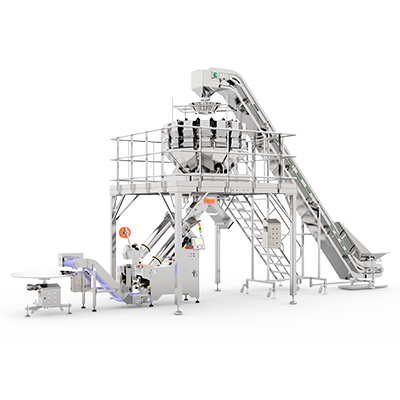
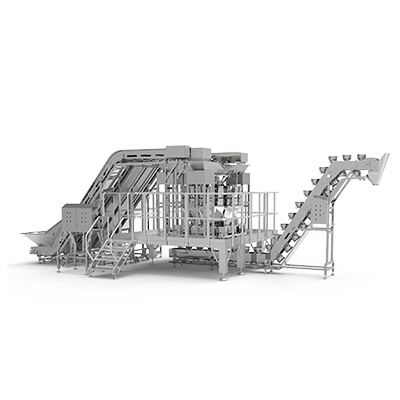
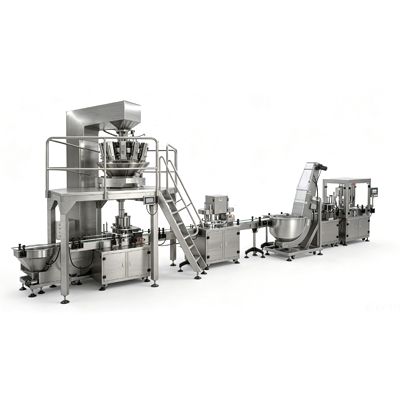
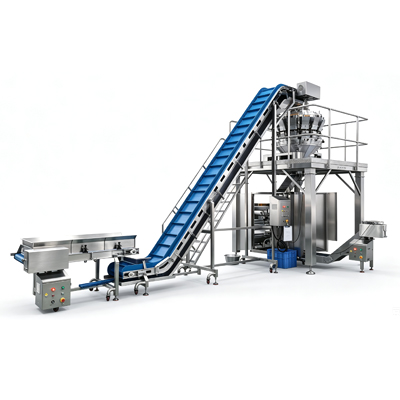
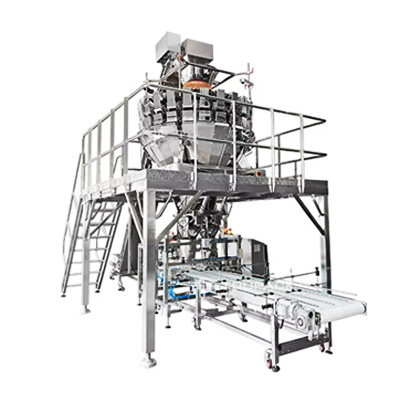
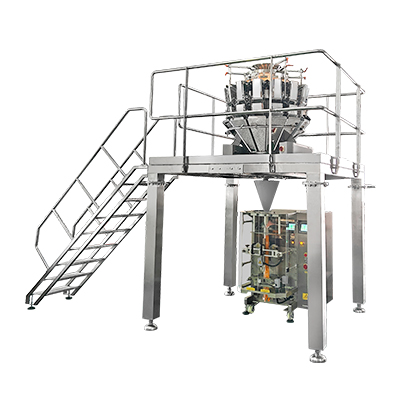
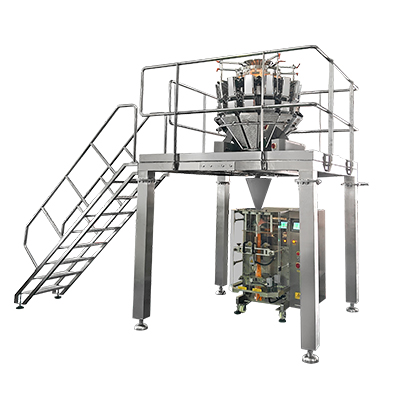
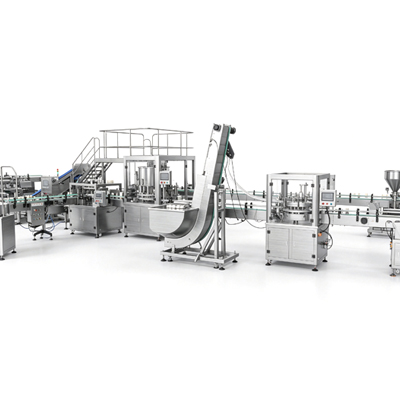
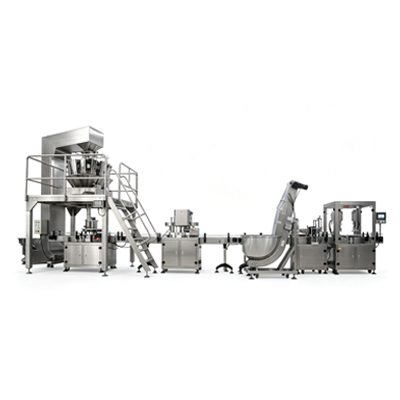
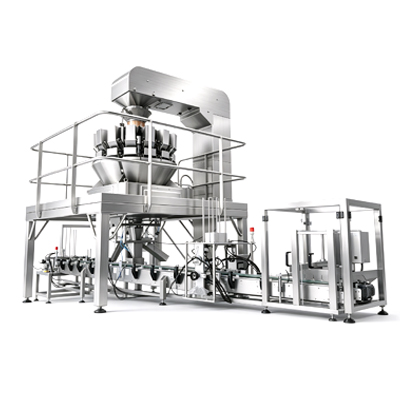
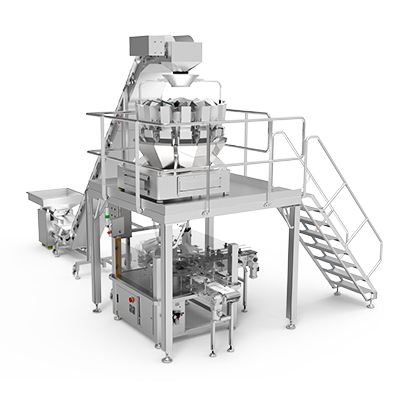
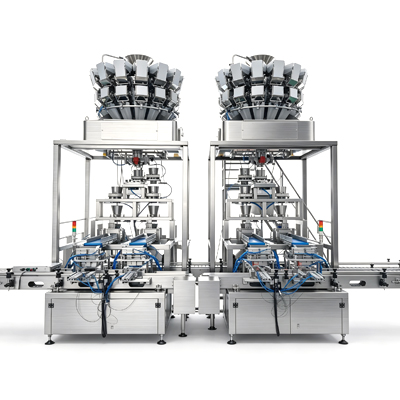
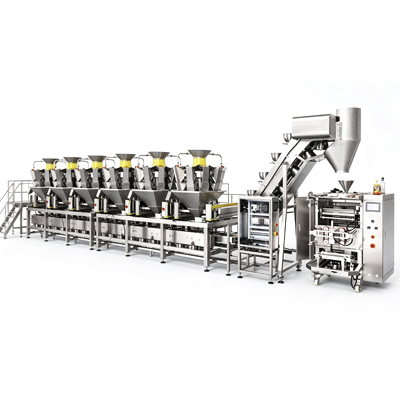
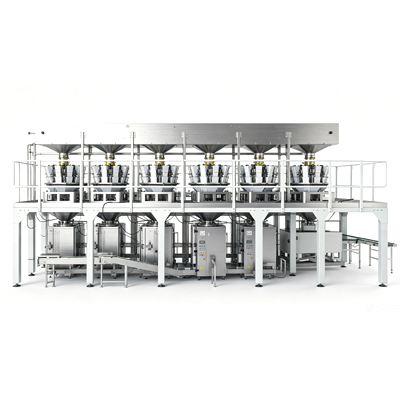
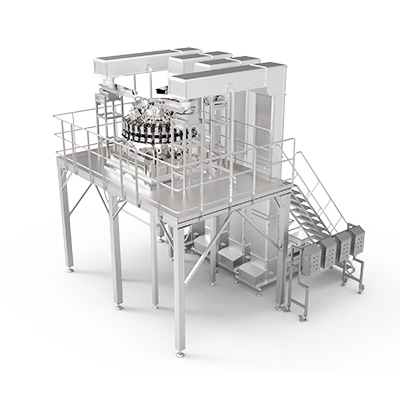
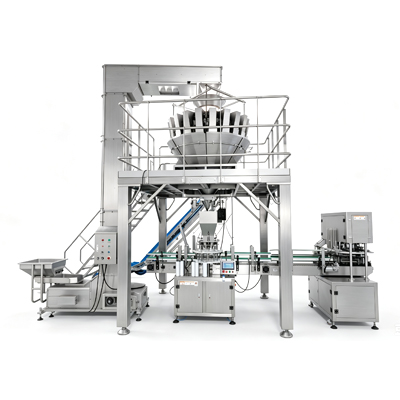
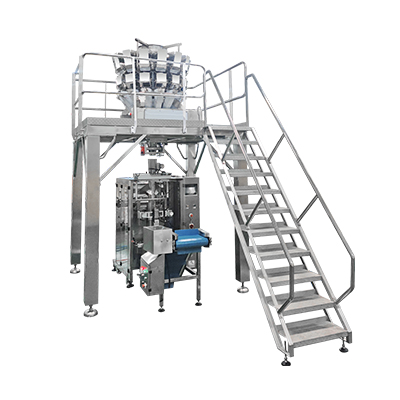
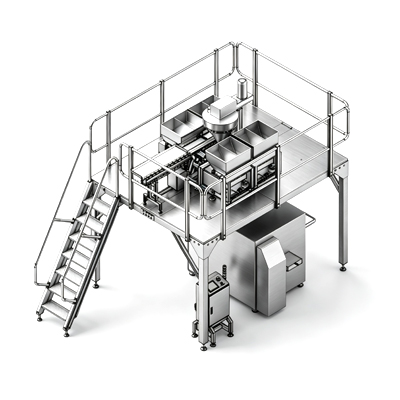
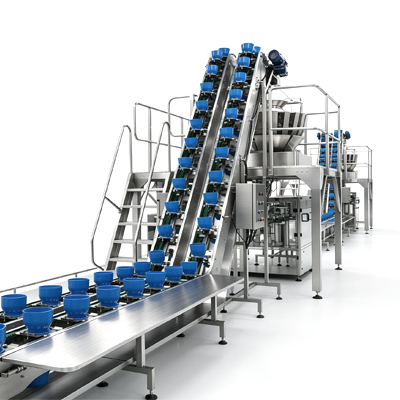
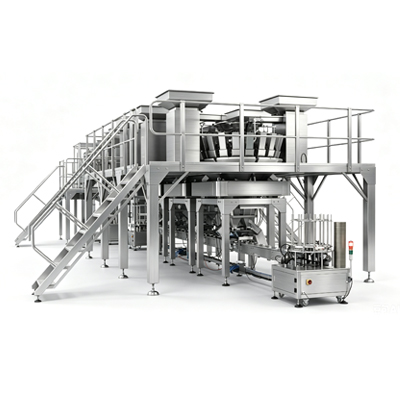
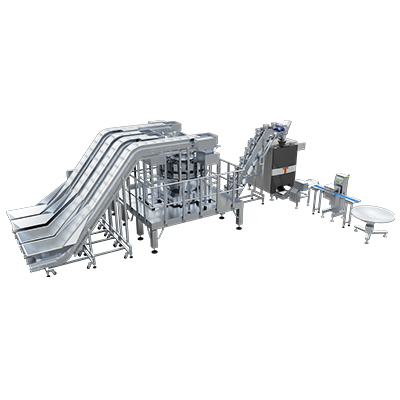
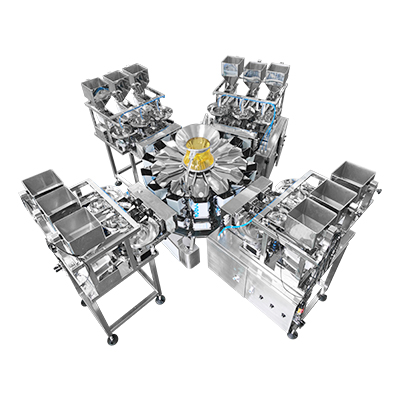
LEESOLU addresses these challenges with customized screw-type multihead weighers integrated with feeding elevators, tray handling systems, product distribution conveyors, and out-of-range product recovery units. Depending on the product and target pack weight, the system can be configured with 14, 16, or 20 weighing heads.
In LEESOLU's documented application examples, the production configurations achieve speeds of up to 60 trays per minute for 500 g chicken breast portions and 40 trays per minute for 1,000 g chicken leg portions. These figures are application-specific reference data, not universal guarantees; actual performance depends on product characteristics, packaging specifications, and the complete production line.
This guide explains how screw-type multihead weighing works, compares typical fresh meat applications, and outlines the main considerations when selecting an automated tray packing solution.
1. Common Challenges in Fresh Meat Weighing and Tray Packing
Fresh meat processing plants often face four interconnected challenges when moving from manual portioning to automated production.
1.1 Sticky products and inconsistent feeding
Fresh meat has a moist surface and may contain natural connective tissue or residual surface liquid. Individual pieces can stick together, bridge across a hopper opening, or discharge inconsistently.
When feeding is unstable, the weighing system cannot maintain a consistent product flow. This can lead to longer weighing cycles, product accumulation, and unplanned production interruptions.
1.2 Inconsistent portion weights and product waste
Manual weighing depends on operator experience and the consistency of each handling cycle. As production volumes increase, maintaining repeatable portions becomes more difficult.
Overfilling increases raw material consumption, while underweight packs may require correction or rejection. Automated combination weighing helps select combinations of product portions that approach a target weight, reducing dependence on manual estimation.
The actual improvement in weight consistency and giveaway must be established through product trials and production data.
1.3 Hygiene and cleaning requirements
Fresh meat processing requires careful control of product-contact surfaces and cleaning procedures. Meat fragments or residues left in hoppers and feeding components can complicate cleaning and increase cross-contamination risks between production batches.
Equipment selection should therefore consider not only weighing performance, but also access to product-contact areas, component removal, cleaning procedures, and the plant's applicable food safety requirements.
1.4 Synchronization between weighing and tray handling
A weighing system may perform well on its own but still fail to deliver the expected output if empty trays are not supplied consistently or product discharge is poorly synchronized with downstream packaging.
A complete line needs coordinated feeding, weighing, tray positioning, filling, and rejection or recovery processes.
2. How LEESOLU's Screw-Type Multihead Weigher Works
LEESOLU's fresh meat weighing solution combines a product-specific feeding mechanism with multihead combination weighing and automated tray handling.
Unlike a conventional gravity-fed arrangement, the screw-type feeding structure uses a rotating screw to actively move material toward the discharge point. This can help manage sticky products that do not flow consistently under gravity alone.
The system's main components typically include:
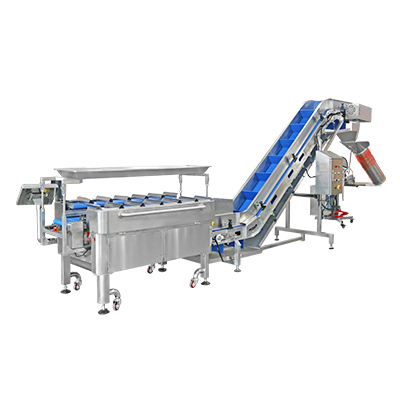
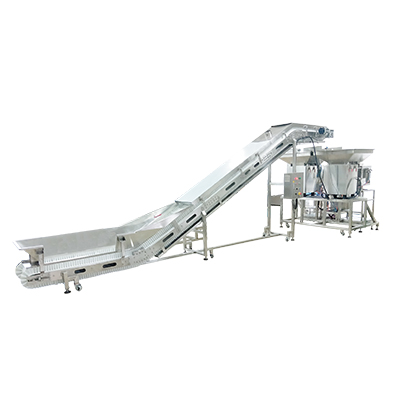
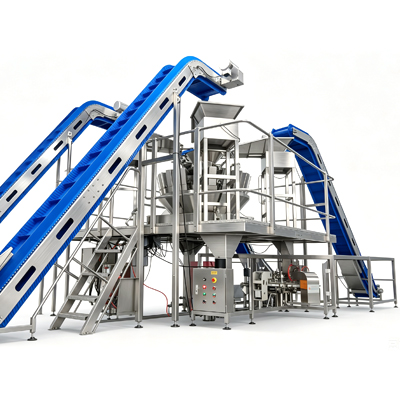
Incline feeding elevator: Transfers fresh meat from the loading area to the weighing system.
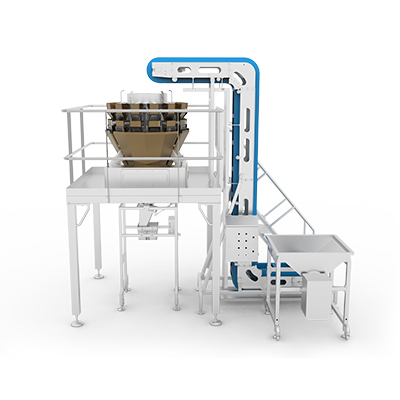
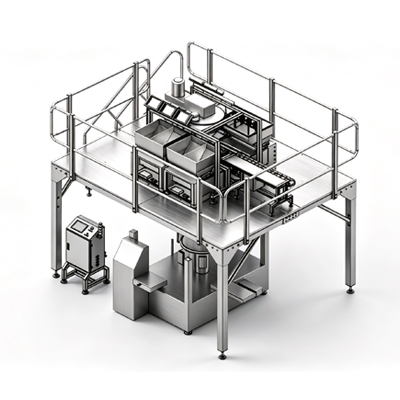
Screw-type multihead weigher: Distributes and weighs product portions across multiple weighing heads, then selects a combination close to the target weight.
Tray denester or tray positioning mechanism: Separates and positions empty trays for filling.
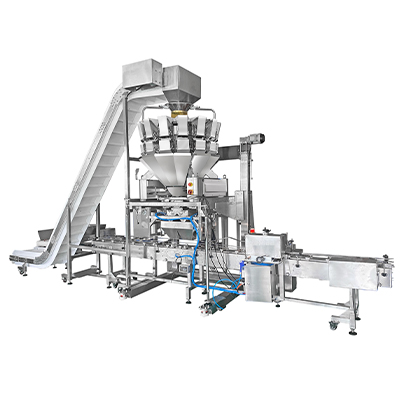
Product distributor and tray conveyor: Guides weighed meat into the correct tray and transports filled trays to downstream equipment.
Product recovery unit: Collects rejected or out-of-range product for appropriate reprocessing, where permitted by the plant's procedures.
The precise equipment arrangement depends on the meat cut, target weight, tray dimensions, required throughput, and available factory space.
Why use screw feeding for sticky fresh meat?
Feeding or weighing challenge
Equipment design approach
Expected operational benefit
Meat pieces stick together
Screw-assisted forced feeding
Helps maintain more consistent product movement
Product bridges or fails to discharge
Product-specific feeding and hopper design
Helps reduce feeding interruptions
Irregular meat portions
Multihead combination weighing
Selects combinations closer to the target weight
Product residue in hoppers
Removable hopper components and a dedicated hopper cleaning station
Facilitates cleaning and batch changeovers
Out-of-range portions
Product rejection and recovery arrangement
Allows collected product to be handled separately
Uneven tray supply
Automatic tray separation and positioning
Supports synchronized tray filling
These design approaches address common operating challenges, but their effectiveness depends on the actual product. Product testing is recommended before confirming the final equipment configuration.
3. Fresh Meat Tray Packing Applications and Reference Data
LEESOLU's equipment can be configured for different meat cuts and portion sizes. The following examples illustrate how weighing head count, target weight, and tray handling arrangements vary by application.
Application 1: Automated Chicken Breast Weighing and Tray Packing
Target weight: 500 g per tray Reference production speed: Up to 60 trays per minute Weighing system: 20-head screw-type multihead weigher
Typical process flow:
Incline elevator → 20-head screw-type multihead weigher → Automatic tray filling conveyor → Product rejection and recovery
The incline elevator transfers chicken breast portions to the weighing system. The 20-head weigher combines portions to approach the 500 g target weight before discharging the selected combination into a waiting tray.
Product outside the configured acceptance range can be directed to a dedicated recovery unit for separate collection and subsequent handling according to the plant's quality procedures.
This configuration is designed for high-throughput tray packing where consistent feeding and coordinated product discharge are important.
Application 2: Automated Fresh Chicken Leg Tray Packing
Target weight: 1,000 g per tray Reference production speed: Up to 40 trays per minute Weighing system: 20-head screw-type multihead weigher
Whole or large chicken leg portions can be more difficult to handle than smaller meat pieces because of their size, shape, and potential for overlap.
The automatic tray handling mechanism separates and positions empty trays. A product distributor then guides the weighed chicken legs into the trays, helping maintain orderly filling and reducing spillage.
The line can be integrated with downstream sealing equipment, subject to the customer's packaging requirements.
Compared with the 500 g chicken breast example, this configuration has a lower reference throughput. The difference illustrates why production speed should be evaluated against product size and target weight rather than the number of weighing heads alone.
Application 3: Fresh Pork Ribs, Chicken Wings, and Snail Meat
Typical weighing configurations: 14-head or 16-head screw-type multihead weigher, selected according to product characteristics.
Different meat and seafood products require different feeding and weighing arrangements.
Fresh pork ribs: Irregular bone-in pieces require suitable hopper dimensions, feeding control, and product handling.
Chicken wings: Smaller, sticky portions may benefit from controlled screw feeding and appropriately sized weighing components.
Snail meat: Smaller moist pieces require a configuration suited to their size, consistency, and tendency to cling together.
A 16-head configuration may be considered for certain irregular bone-in products, while a 14-head configuration may suit some smaller portions. However, head count alone does not determine the best solution.
The final selection should account for portion dimensions, product flow, target weight, required accuracy, and desired production speed. Product samples should be tested before the machine specification is finalized.
Application 4: Fresh Tilapia Fillet Tray Packing
The same broader automation approach can be adapted to fresh seafood, although thin and delicate fillets require a different feeding method from sticky meat chunks.
Reference product: Fresh tilapia fillets Target weight: 460 g per tray Reference production speed: 30 trays per minute Weighing system: 12-head belt-type multihead weigher
A belt-type combination weigher is used in this application to accommodate thin, fragile fillets that may be damaged or handled poorly by unsuitable feeding mechanisms.
This example demonstrates an important equipment selection principle: the best weighing system depends on the product's physical characteristics, not simply on whether the product belongs to the meat or seafood category.
Application comparison
Product
Weighing configuration
Target weight
Reference speed
Chicken breast
20-head screw-type
500 g/tray
60 trays/min
Chicken legs
20-head screw-type
1,000 g/tray
40 trays/min
Pork ribs
14- or 16-head screw-type, subject to testing
Customer-specific
Confirm by testing
Chicken wings
14- or 16-head screw-type, subject to testing
Customer-specific
Confirm by testing
Snail meat
14-head screw-type as a possible configuration
Customer-specific
Confirm by testing
Tilapia fillets
12-head belt-type
460 g/tray
30 trays/min
The figures above are application reference data. They should not be interpreted as independently audited performance results or guaranteed outputs for every production environment.
4. Key Technical Features of an Automated Fresh Meat Packing Line
4.1 Product-specific feeding for sticky materials
Screw-assisted feeding is intended to address the inconsistent flow associated with moist and sticky meat portions. Correct screw dimensions, hopper geometry, and feeding settings remain essential to reliable operation.
For products with substantially different shapes or sizes, a single configuration may not provide equally good results across all product types.
4.2 Flexible line layouts and dual-outlet configurations
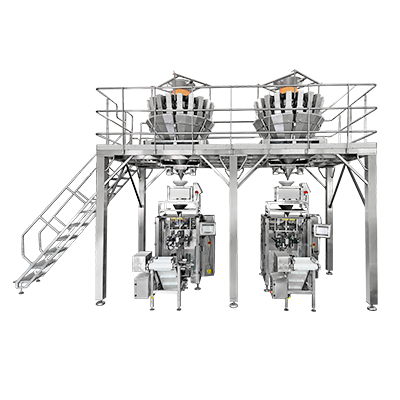
Depending on the equipment model and line design, the system can be configured with a single discharge route or dual outlets that distribute product to two packaging lanes.
A dual-outlet layout may help balance downstream packaging capacity or support different packaging formats. Its actual productivity benefit depends on the synchronization of the weighing system, discharge arrangement, and downstream equipment.
4.3 Rejection and product recovery
An integrated rejection or recovery mechanism can separate portions that fall outside the configured weight acceptance range.
Collected product should be identified and handled according to the factory's food safety, traceability, and rework procedures. Recovery does not automatically mean that rejected product can be returned to the production process without inspection.
4.4 Hygienic construction and cleaning access
LEESOLU's described configuration uses food-grade stainless steel for the machine body, together with removable hopper components and a dedicated hopper cleaning station.
These features are intended to facilitate cleaning and help reduce retained meat residues. The final hygiene performance depends on the complete equipment design, including welds, seals, product-contact materials, drainage, accessibility, and the cleaning procedure used by the facility.
Food-grade material selection alone does not establish compliance with every food safety regulation or certification requirement. Buyers should verify the applicable documentation and equipment design against the requirements of their target market.
4.5 Flexible target-weight settings
Operators can adjust target-weight parameters through the machine's touchscreen interface when changing between supported product specifications.
The practical changeover time depends on whether the product, hopper configuration, feeding components, tray dimensions, or cleaning requirements also need to change. Product changeovers involving different raw materials may require cleaning and verification before production resumes.
5. How to Select the Right Multihead Weigher for Fresh Meat
Choosing a machine based only on the number of weighing heads or its advertised maximum speed can lead to an unsuitable configuration.
Before purchasing an automated fresh meat weighing and tray packing line, evaluate the following factors.
Selection factor
Questions to ask
Why it matters
Product characteristics
Is the meat sticky, wet, fragile, irregular, or bone-in?
Determines the appropriate feeding and handling structure
Portion dimensions
What are the minimum and maximum piece sizes?
Affects hopper size, feeding stability, and discharge
Target pack weight
Is the requirement 500 g, 1,000 g, or another weight?
Influences weighing combinations and production cycle time
Weight tolerance
What are the acceptable upper and lower weight limits?
Defines the required weighing performance
Required throughput
How many trays must be produced per minute or per shift?
Determines the required capacity of the complete line
Tray specifications
What are the tray dimensions and material?
Affects tray denesting, positioning, and filling
Cleaning requirements
Which parts require removal, washing, or inspection?
Influences sanitation procedures and changeover time
Factory layout
How much space is available, and where are the upstream and downstream machines?
Determines conveyor arrangement and line integration
Local compliance
Which food-contact, electrical, and machinery requirements apply?
Helps ensure the proposed equipment meets the buyer's requirements
Can one multihead weigher handle different meat cuts?
Potentially, yes. However, compatibility depends on the differences between the products.
A system designed for large chicken legs may not be the most suitable configuration for small chicken wings or finely cut meat. If product dimensions, stickiness, or handling requirements differ significantly, separate configurations or dedicated machines may be more appropriate.
LEESOLU can use customer-provided product samples to evaluate feeding behavior, weighing stability, and practical throughput before recommending a configuration.
How should buyers balance weighing accuracy and production speed?
Target weight is only one factor affecting throughput. Product size, distribution across weighing heads, feeding stability, discharge time, and downstream tray handling also influence output.
For example, LEESOLU's reference configurations include 500 g chicken breast trays at up to 60 trays per minute and 1,000 g chicken leg trays at up to 40 trays per minute.
These examples should be treated as configuration-specific benchmarks rather than a direct controlled comparison, because the products and production conditions are different.
A meaningful equipment trial should record at least:
·Average and variation in completed pack weight.
·Percentage of packs within the specified weight tolerance.
·Average and sustained production speed.
·Rejected or recovered product rate.
·Product damage and residue accumulation.
·Cleaning and changeover time.
These measurements help buyers assess both weighing performance and the practical productivity of the complete line.
6. Which Businesses Can Benefit from Automated Fresh Meat Tray Packing?
LEESOLU's fresh meat weighing and tray packing solutions are intended for businesses that need repeatable portioning and coordinated packaging operations.
Fresh meat processors: For portion-controlled chicken breast, chicken legs, pork ribs, and other fresh meat products.
Central kitchens: For standardized meat portions used in meal preparation and foodservice operations.
Prepared-food manufacturers: For raw meat ingredients supplied to ready-to-cook meals and prepared-food production.
Supermarket fresh food suppliers: For retail-ready trays of chicken, pork, and selected meat assortments.
Food packaging contractors: For production environments that handle multiple customers, portion sizes, or tray formats.
The line can be configured as a core weighing system or as an integrated solution that includes feeding, weighing, tray handling, conveying, and product recovery.
Final configuration depends on the factory layout, product portfolio, required output, and integration requirements.
7. Frequently Asked Questions
Q1. Can a screw-type multihead weigher handle sticky fresh meat?
A screw-type multihead weigher uses active feeding to help move sticky product toward the discharge point. It can be suitable for products such as chicken portions, pork ribs, and other moist meat cuts. However, suitability depends on the product's dimensions, moisture, stickiness, and tendency to cling together. Testing with actual product samples is recommended before confirming the design.
Q2. How many weighing heads are needed for fresh meat packaging?
The appropriate number of heads depends on the product, target weight, required accuracy, and production speed. LEESOLU's application examples include 14-head, 16-head, and 20-head screw-type weighers, as well as a 12-head belt-type system for delicate tilapia fillets. A higher head count does not automatically guarantee greater throughput or better accuracy. The complete configuration must be evaluated against the specific application.
Q3. What production speed can an automated fresh meat tray packing line achieve?
In LEESOLU's documented application configurations, the reference speeds include: · Chicken breast, 500 g per tray: up to 60 trays per minute. · Chicken legs, 1,000 g per tray: up to 40 trays per minute. · Tilapia fillets, 460 g per tray: 30 trays per minute. These are application-specific figures. Actual output should be confirmed through testing with the customer's product and packaging materials.
Q4. How can the equipment be cleaned between production batches?
The described equipment configuration includes removable hopper components and a dedicated hopper cleaning station to facilitate cleaning. The appropriate cleaning method, frequency, disassembly procedure, and sanitation verification must be established according to the machine design, the meat product being processed, and the facility's food safety program. Buyers should request cleaning instructions and confirm which product-contact parts can be removed, inspected, or washed.
Q5. Can the line automatically reject underweight or overweight portions?
A configured rejection or recovery system can separate portions that fall outside the specified weight limits. The system's acceptance limits, rejection logic, and recovery arrangement should be confirmed during project design. The factory must also define how rejected product is inspected, recorded, and handled before any rework.
Q6. Can the line accommodate different tray sizes and target weights?
Yes, within the supported operating range and the selected equipment configuration. Target-weight parameters can be adjusted through the touchscreen interface. However, changes to tray dimensions, meat piece sizes, feeding behavior, or product type may require additional mechanical adjustments, testing, or cleaning.
Q7. Should a food processor purchase a multihead weigher or a complete packaging line?
A standalone multihead weigher may be suitable when the factory already has compatible feeding, tray handling, and downstream packaging equipment. A complete integrated line may be preferable when the business needs coordinated feeding, weighing, tray positioning, product distribution, and rejection or recovery. The decision should be based on the existing equipment, required throughput, available floor space, integration costs, and future production plans.
Conclusion: Build Fresh Meat Packaging Automation Around the Product
Fresh meat weighing and tray packing are challenging because meat products vary in size, shape, moisture, and stickiness. A conventional weighing system may not provide consistent feeding or reliable discharge for every product.
LEESOLU's screw-type multihead weighing solutions are designed to address these challenges through product-specific feeding, combination weighing, automated tray handling, and optional product recovery. Different configurations can support applications ranging from chicken breast and chicken legs to pork ribs and other sticky meat products, while a belt-type system can be considered for delicate seafood.
The most effective automation solution starts with the actual product rather than a machine's headline speed. Evaluating product samples, target weights, acceptable weight tolerances, cleaning requirements, and downstream packaging capacity helps establish a more realistic equipment specification.
For fresh meat processors, central kitchens, prepared-food manufacturers, and supermarket suppliers, a properly configured integrated line can support more consistent portioning, more coordinated production, and more manageable cleaning and operating procedures.
Planning an automated fresh meat weighing and tray packing line? Contact LEESOLU to discuss your product type, target tray weight, required production speed, and factory layout. Product sample testing can help determine a suitable feeding mechanism, weighing configuration, and line arrangement before finalizing the project.
Automated mesh bagging extends produce shelf life by providing vital airflow. Upgrading your line slashes labor costs, stops product giveaway, and maximizes daily output.
Dust-controlled powder fillers use vacuum extraction and servo-driven augers to package fine materials. These automated systems prevent waste, ensure safety, and maximize ROI.
Horizontal packaging machines use lateral movement to safely package solids, powders, and liquids. These systems ensure leak-proof seals, cut labor costs, and maximize your ROI.
It is a high-tech enterprise specializing in the R&D, design, and independent manufacturing of packaging, conveying, weight detection, weighing, and filling equipment.